Category: Uncategorized
-
Will AI Take Your Job Or Make It Better
Understanding the Dual Nature of AI Job Impact
Artificial intelligence has stirred intense debates about employment’s future. Will AI replace humans entirely, or will it enhance how we work? The AI job impact is neither wholly positive nor negative—its effect varies widely across industries, roles, and regions. Recognizing this nuanced duality is key to preparing for the evolving labor market.
On one side, AI-driven automation promises increased efficiency, reducing the time spent on repetitive tasks. On the other, some jobs face significant disruption, potentially leading to role obsolescence. The challenge lies in distinguishing which jobs will transform and which may disappear, and more importantly, how workers and organizations adapt to these shifts.
Understanding AI’s multifaceted impact will help individuals harness technology to upgrade their careers, while businesses can leverage AI for growth without sidelining talent.
How AI Jobs Impact Automation and Workforce Dynamics
Automation: What Gets Replaced?
AI excels in automating tasks that are routine, predictable, and data-driven. This includes:
– Data entry and clerical work
– Basic customer service through chatbots
– Manufacturing line operations
– Inventory managementAccording to a 2023 report from the McKinsey Global Institute, about 30% of tasks in 60% of occupations can be automated with current technologies. Roles heavy in repetitive actions see the highest AI job impact in terms of displacement risk.
Yet, automation doesn’t necessarily equate to job elimination. Many roles shift focus from manual labor to oversight, analysis, or strategic thinking, improving productivity without workforce reduction.
Workforce Adaptation: The Rise of Hybrid Jobs
New roles are emerging where humans work alongside AI systems rather than compete with them. These “hybrid jobs” require skills in managing, interpreting, and enhancing AI outputs:
– AI trainers who label data and improve algorithms
– Analysts who verify AI-generated insights
– Creative roles where AI tools assist content creationThis hybridization reflects the AI job impact as a force for job evolution, not just replacement. Investments in reskilling and lifelong learning become essential as the workforce adapts.
Industries Most Affected by AI Job Impact
Manufacturing and Logistics
Manufacturing has been an early AI adopter, using robots to streamline assembly lines. Logistics uses AI for route optimization, demand forecasting, and automated warehousing.
Impact includes:
– Reduced physical labor jobs but increased demand for AI supervisors
– Enhanced speed and accuracy in delivery services
– Shift toward tech-centric skill setsHealthcare and Finance
Healthcare benefits from AI in diagnostics, personalized medicine, and administrative automation. Finance relies on AI for fraud detection, automated trading, and customer service.
AI job impact results in:
– Augmentation of medical professionals’ decision-making
– Reduction in clerical workload, allowing focus on patient care
– Creation of new roles in managing AI compliance and ethicsCreative and Service Industries
AI tools assist artists, writers, and marketers by generating ideas, editing, or optimizing campaigns. Customer service increasingly uses AI chatbots for tier-one queries.
Here, AI job impact is more collaborative:
– Creatives leverage AI to boost productivity
– Human empathy remains essential in service-driven roles
– AI handles routine inquiries, freeing humans for complex casesStrategies to Embrace the AI Job Impact
Upskilling and Continuous Learning
Remaining valuable in an AI-influenced workplace means mastering complementary skills like:
– Data literacy to interpret AI output
– Critical thinking for complex problem-solving
– Emotional intelligence for interpersonal rolesEducational platforms, professional workshops, and company-sponsored training can bridge skill gaps.
Leveraging AI to Enhance Productivity
Rather than fearing AI, professionals can use it to improve work quality and output. For example:
– Automate scheduling or reporting tasks to focus on strategic activities
– Use AI tools for data analysis to uncover insights faster
– Adopt AI-assisted design or writing software to improve creativityAdopting AI as a productivity partner helps individuals stay competitive and innovate within their roles.
The Broader Economic and Social Implications of AI Job Impact
Potential for Job Disruption and Inequality
While AI offers growth opportunities, it can also deepen inequality by disproportionately affecting lower-skilled workers or those in vulnerable sectors. Without proactive policies, workforce displacement may increase socioeconomic divides.
Government and corporate responsibility includes:
– Developing social safety nets for affected workers
– Promoting equitable access to AI education
– Encouraging ethical AI deployment to minimize harmCreating New Economic Opportunities
Conversely, AI drives new business models and job categories, fostering innovation-led growth:
– AI startups and research labs create high-tech positions
– Enhanced productivity can lower costs, increasing consumer demand and jobs indirectly
– New markets in AI ethics, regulation, and maintenance expand employment avenuesStrategically embracing AI can therefore stimulate inclusive economic development.
Preparing for the Future: How to Take Control of AI Job Impact
Embrace Lifelong Learning
The evolving nature of AI job impact makes continuous education critical. Set personal development goals that include:
– Attending webinars and courses on AI basics
– Learning industry-specific AI applications
– Experimenting with AI tools for hands-on experienceEngage with AI Thought Leaders and Communities
Stay informed by following AI news, joining professional groups, and participating in forums. Networking with experts allows early detection of trends and opportunities.
For more resources on understanding and adapting to AI job impact, visit trusted websites such as the [World Economic Forum](https://www.weforum.org).
Summary and Next Steps
AI’s impact on jobs is complex, offering both challenges and opportunities. Automation may replace repetitive roles, but hybrid positions and new industries emerge, highlighting AI’s potential to make work better rather than obsolete. Adapting through upskilling, embracing AI as a productivity partner, and engaging with ongoing learning are vital to thriving.
Harness AI smartly to improve your career—not fear it. To explore personalized guidance on navigating AI’s workforce impact, reach out anytime at khmuhtadin.com and take charge of your professional future today.
You may be interested
-
Will AI Take Your Job Or Make It Better
How AI is Reshaping the Job Market
Artificial Intelligence is no longer a futuristic concept—it’s integrated into many industries today, transforming how work is done. This rapid advancement sparks a crucial question for millions: will AI take your job or make it better? The reality is complex. AI jobs create new opportunities while automating some routine tasks. Understanding this balance helps individuals and businesses navigate the evolving employment landscape.
AI is not purely a job killer; it is a tool that changes job roles and skill requirements. According to a World Economic Forum report, AI will displace certain jobs but also generate millions of new roles by 2025. The key is how workers adapt and how organizations leverage AI technologies.
What Types of Jobs Are Most Affected by AI?
AI impacts different job sectors in varying degrees. Recognizing which roles face automation risk or enhancement is essential for career planning.
Jobs at High Risk of Automation
Roles involving repetitive, predictable tasks are most susceptible. Examples include:
– Data entry clerks
– Telemarketers
– Routine manufacturing jobs
– Basic customer serviceThese positions can be replaced by AI-driven software, robotic process automation, or chatbots.
Jobs Enhanced by AI
Many AI jobs complement human work by handling mundane workflows, freeing employees to focus on creativity and strategy. These include:
– Healthcare professionals using AI to analyze medical images
– Financial analysts leveraging predictive algorithms
– Marketing teams utilizing AI for data-driven campaigns
– Software developers integrating AI toolsRather than replacing these roles, AI augments productivity and decision-making.
How AI Jobs Create New Opportunities
While AI automates some functions, it also opens doors to fresh career paths. Here’s how AI generates job growth:
Emergence of AI Specialists
Developing, implementing, and maintaining AI systems requires specialized skills. New roles include:
– Machine learning engineers
– Data scientists
– AI ethics specialists
– Robotics techniciansDemand for these experts grows as companies invest in AI transformation.
Cross-Disciplinary Roles
AI’s adoption leads to hybrid jobs that combine domain knowledge with technical skills. Examples:
– Healthcare data analysts translating clinical data into AI insights
– Marketing analysts interpreting AI-generated consumer trends
– Educators designing AI-assisted learning programsThis fusion boosts innovation and creates value-added careers.
Strategies for Thriving in the Age of AI Jobs
Adapting to AI’s impact on employment requires proactive approaches. Here are effective strategies to future-proof your career:
Upskill and Reskill Regularly
Lifelong learning is crucial. Focus on both technical and soft skills:
– Learn programming basics (Python, R)
– Understand AI fundamentals and applications
– Enhance problem-solving and critical thinking
– Develop emotional intelligence and creativityOnline platforms like Coursera and edX offer accessible courses tailored for AI literacy.
Embrace Collaboration with AI
Rather than fearing replacement, learn how to work alongside AI tools:
– Use AI for data analysis to inform decisions
– Automate repetitive tasks to increase focus on complex work
– Combine human intuition with AI insights for better outcomesThis mindset shifts the narrative from jobs lost to jobs enhanced.
Real-World Examples of AI Improving Jobs
Observing AI in action illustrates its potential to better work life:
Healthcare Sector
AI assists in diagnosing diseases faster, predicting patient risks, and personalizing treatments. Doctors use AI-driven tools to analyze images with greater accuracy, improving patient outcomes and reducing workload.
Creative Industries
AI tools help designers generate prototypes quickly, writers with content suggestions, and musicians with composition aids. These technologies inspire creativity rather than replace artists.
Manufacturing and Logistics
Robots perform repetitive assembly-line tasks, while AI optimizes inventory management, leading to higher efficiency and safer workplaces.
Addressing Concerns About AI and Employment
AI’s rise also brings worries about job security and inequality. Tackling these requires thoughtful policies and mindset shifts.
Ethical AI Deployment
Transparent AI systems that include fairness and accountability measures help protect workers. Incorporating ethical guidelines reduces bias and misuse that could harm employment opportunities.
Economic and Social Safety Nets
Governments and organizations should invest in retraining programs, unemployment benefits, and support for affected workers. Encouraging entrepreneurship and gig economy roles can also provide alternative income sources.
Wrapping Up Your AI Job Journey
AI jobs represent both challenges and exciting possibilities. The extent to which AI takes your job or makes it better depends on flexibility, skill development, and willingness to collaborate with emerging technologies. By embracing AI as a partner rather than a rival, professionals can unlock new career horizons.
Start evaluating your skill set today and explore AI learning resources around you. For personalized guidance on adapting to AI-driven employment trends, don’t hesitate to reach out at khmuhtadin.com. Equip yourself with knowledge and stay ahead in the world of AI jobs.
You may be interested
-
The Future of AI in Healthcare Is Arriving Now
Revolutionizing Patient Care with AI Healthcare
Artificial intelligence is transforming the healthcare landscape faster than ever. AI healthcare technologies are enabling providers to diagnose diseases earlier, personalize treatment plans, and improve patient outcomes at scale. From analyzing medical images to predicting patient deterioration, AI’s capabilities are bridging gaps in care and enhancing clinical decision-making. Healthcare professionals and patients alike are beginning to experience the tangible benefits of AI-driven tools that were once considered futuristic concepts.
As data volumes grow exponentially, AI healthcare solutions are unlocking valuable insights buried within electronic health records (EHRs), genomics, and wearable devices. These advances not only improve the accuracy and speed of diagnoses but also reduce costs and administrative burdens. The future of healthcare lies in effectively integrating AI technologies into everyday clinical workflows, ensuring patients receive timely, tailored, and effective interventions.
Key Applications of AI Healthcare Today
Medical Imaging and Diagnostics
One of the most impactful applications of AI healthcare is in medical imaging analysis. AI algorithms can detect abnormalities such as tumors, fractures, or retinal diseases with astonishing accuracy and speed, often surpassing human radiologists. This rapid detection helps catch diseases like cancer earlier, significantly improving survival rates.
– AI-powered tools assist radiologists by highlighting suspicious regions in X-rays, MRIs, and CT scans.
– Deep learning models are trained on millions of images to recognize subtle patterns invisible to the human eye.
– Early FDA approvals for AI-based diagnostic systems reinforce their reliability and safety in clinical settings.Personalized Medicine and Treatment Recommendations
AI healthcare is enabling precision medicine by analyzing genetic, lifestyle, and environmental data to tailor treatment plans. Algorithms can predict how individual patients will respond to specific drugs, reducing trial-and-error approaches and adverse reactions.
– Machine learning models evaluate patient history and genetic markers for customized therapies.
– Oncology is a prime example where AI helps identify effective chemotherapy regimens based on tumor DNA.
– Predictive analytics forecast disease progression, enabling proactive interventions.Enhancing Operational Efficiency with AI Healthcare
Streamlining Administrative Tasks
Healthcare providers spend a significant portion of their time on paperwork, scheduling, and billing. AI healthcare automation tools reduce these administrative burdens, allowing clinicians to focus more on patient care.
– Natural language processing (NLP) converts clinical notes into structured data automatically.
– Chatbots handle appointment scheduling and patient inquiries 24/7.
– AI-powered platforms optimize staff workflows and resource allocation.Improving Patient Monitoring and Remote Care
Remote patient monitoring devices integrated with AI healthcare algorithms enable continuous assessment of patients outside hospital settings. This approach is crucial for managing chronic conditions and reducing hospital readmissions.
– Wearables track vital signs like heart rate, oxygen levels, and glucose, alerting providers to dangerous trends.
– AI analyzes sensor data to detect early warning signs of deterioration or complications.
– Telemedicine powered by AI enhances virtual consultations, improving access and convenience.Challenges and Ethical Considerations in AI Healthcare
While AI healthcare promises remarkable benefits, several challenges must be addressed to ensure safe, ethical implementation.
Data Privacy and Security
Patient data confidentiality is paramount. AI healthcare systems depend on large datasets, raising concerns about unauthorized access or misuse of sensitive information.
– Robust encryption and compliance with healthcare regulations like HIPAA are essential.
– Transparent data governance frameworks build patient trust.Bias and Equity in AI Algorithms
AI models can inherit biases present in training data, leading to disparities in care quality across demographic groups.
– Continuous evaluation and inclusion of diverse datasets help mitigate biases.
– Stakeholders must prioritize fairness and monitor AI outputs regularly.The Future Roadmap for AI Healthcare Integration
The trajectory of AI healthcare will revolve around deeper integration into clinical environments and expanding capabilities.
Interoperability and Data Sharing
Seamless data exchange between AI platforms and existing EHR systems will maximize usefulness and reduce fragmentation.
– Standardized protocols enable smoother interoperability.
– Collaborative networks promote multicenter AI model validation.Augmented Intelligence for Clinicians
AI is not meant to replace healthcare professionals but to augment their expertise.
– Decision support tools will provide real-time recommendations without disrupting workflow.
– Training programs will equip clinicians to effectively leverage AI insights.Real-World Success Stories Demonstrating AI Healthcare Impact
Leading hospitals and startups worldwide provide inspiring examples of AI healthcare benefits.
– Google Health’s AI system improved breast cancer detection rates in clinical trials.
– IBM Watson assisted oncologists in tailoring treatment options based on comprehensive patient data.
– Startups using AI diagnostic chatbots have reduced emergency room visits for minor ailments.These successes illustrate how AI healthcare innovations are maturing beyond theory into practice.
Embracing AI Healthcare for a Healthier Tomorrow
Artificial intelligence is no longer a distant vision but a present reality reshaping healthcare delivery. The blend of advanced algorithms, massive data, and clinical expertise is unlocking new dimensions in patient care and operational efficiency. By overcoming challenges related to ethics, privacy, and integration, AI healthcare can fulfill its potential to save lives and democratize access to quality medicine globally.
Healthcare providers, policymakers, and patients should actively explore and adopt AI healthcare solutions to stay at the forefront of this revolution. To begin your journey in harnessing AI for clinical excellence, or to discuss tailored implementations, visit khmuhtadin.com. The future of healthcare powered by AI is arriving now—don’t get left behind.
You may be interested
-

That Time We Almost Lost the Internet
The Fragile Beginnings of Our Digital Lifeline
The story of the internet is often celebrated as a tale of innovation, connectivity, and progress. Yet, beneath this narrative lies a lesser-known chapter where the global network we rely on today was perilously close to vanishing. Early internet history reveals moments when technical failures, human errors, and geopolitical tensions threatened to sever this burgeoning digital lifeline. Understanding these near-catastrophic events sheds light on how the internet’s resilience was forged and why preserving it remains critical.
From its inception in the late 1960s as ARPANET, the internet was designed as a decentralized system to survive partial outages. However, various vulnerabilities still emerged as it evolved, demonstrating that the network’s stability depended on more than just technology; it required foresight, cooperation, and rapid response. This article dives into some dramatic episodes in internet history when it nearly disappeared, highlighting lessons that remain relevant in our hyperconnected world.
Early Internet Vulnerabilities: The ARPANET Crisis
What Nearly Took Down ARPANET
In the early 1970s, ARPANET interconnected select U.S. research institutions, providing a prototype for today’s internet. Despite its revolutionary design, ARPANET was not immune to failure. One notable incident involved a software bug that caused routing tables—the maps guiding data packets—to become corrupted. This resulted in severe disruptions, with network nodes losing communication.
Engineers had to act quickly, tracing errors through logs and restoring original code versions. These early challenges highlighted the nascent internet’s fragility and the importance of rigorous testing and contingency planning.
Lessons from ARPANET’s Growing Pains
– Robust routing protocols are essential for network stability.
– Human oversight can inadvertently introduce vulnerabilities in decentralized networks.
– Early collaboration between computer scientists laid the groundwork for modern internet governance.This period of internet history demonstrated that despite decentralized architecture, human and technical errors could threaten continuity, a theme recurring in subsequent decades.
The 1988 Morris Worm: A Wake-Up Call for Internet Security
In November 1988, a self-replicating malware program known as the Morris Worm infected roughly 10% of computers connected to the early internet. Created by Robert Tappan Morris as an experiment, the worm unintentionally caused widespread disruption by overwhelming systems.
Impact on Internet Infrastructure
The worm exploited vulnerabilities in UNIX systems, leading to some machines repeatedly infecting themselves. As a result, numerous institutions—including universities and military sites—experienced network slowdowns or complete shutdowns. At a time when internet history was still unfolding, this incident helped expose the lack of preparedness against digital threats.
Response and Aftermath
The event sparked an urgent review of cybersecurity practices, prompting:
– The development of computer emergency response teams (CERTs).
– Increased awareness of network vulnerabilities.
– Fundamental changes in internet security policies and protocols.This episode was pivotal in transforming how the internet community approached safety, emphasizing that preserving connectivity required proactive defense as much as innovation.
Y2K Fears and the Millennium Internet Horror Scenario
As the year 2000 approached, fears about the Y2K bug permeated society, with concerns that embedded computer systems would fail, potentially taking down critical infrastructure. Among the most alarming scenarios was the potential collapse of global internet services.
Why Internet Collapse Seemed Possible
The internet’s underlying systems depended on date-sensitive software that might have malfunctioned at midnight of January 1, 2000. Experts speculated about possible failures in:
– Domain Name System (DNS) servers.
– Internet service provider (ISP) hardware.
– Network time protocols.Given the internet’s integration into commerce, communication, and government operations, any disruption risked widespread chaos.
Preparedness and Prevention
Thankfully, massive coordinated efforts prevented disaster:
– Companies audited and patched software months in advance.
– Governments conducted extensive testing and contingency planning.
– Public education helped mitigate panic.Ultimately, the internet experienced only minor glitches, reflecting lessons learned from previous internet history challenges and highlighting the value of multinational collaboration.
The 2016 Mirai Botnet Attack: When the Internet Nearly Crashed
In October 2016, the Mirai botnet unleashed one of the largest distributed denial-of-service (DDoS) attacks ever recorded. By hijacking hundreds of thousands of insecure Internet of Things (IoT) devices, such as cameras and routers, Mirai overwhelmed key internet infrastructure.
Consequences for Global Connectivity
The attack specifically targeted Dyn, a major DNS provider, crippling access to prominent websites like Twitter, Netflix, and Reddit across North America and Europe for hours. This event underscored how vulnerabilities in connected devices could cascade into significant internet outages.
Key Takeaways from the Mirai Incident
– IoT security is critical for internet stability.
– Centralized services like DNS are strategic points of failure.
– Collaborative defense strategies must evolve alongside new technologies.Mirai’s impact revealed a modern chapter in internet history where expanding connectivity also expands risk, calling for renewed attention to security standards.
Efforts to Fortify the Internet for the Future
In response to these precarious moments, the global community has worked steadily to bolster the internet’s resilience through technological innovation, policy development, and international cooperation.
Strengthening Infrastructure and Protocols
– Adoption of IPv6 to address address exhaustion and improve routing.
– Implementation of DNS Security Extensions (DNSSEC) to reduce fraud.
– Deployment of redundant data centers and submarine cables for failover.Governance and Collaboration
Organizations like the Internet Engineering Task Force (IETF) and Internet Corporation for Assigned Names and Numbers (ICANN) continuously update standards to safeguard the network. Countries and companies share threat intelligence to combat cyberattacks quickly.
The Internet’s Past as a Guide to Its Future
Internet history teaches us that while technological breakthroughs are vital, maintaining this global system requires constant vigilance against evolving threats. Moments when the internet teetered on the brink remind us how fragile our interconnected world can be.
By investing in security, infrastructure, and cooperative governance, we protect not just the technology but the countless aspects of life dependent on it—work, education, social interaction, and more.
As you reflect on these episodes where we almost lost the internet, consider your role in this ecosystem. Whether through safe online habits or supporting initiatives that promote digital resilience, everyone contributes to preserving this irreplaceable resource.
For further insights into internet history and technology resilience, visit resources like the Internet Society (https://www.internetsociety.org).
Explore how you can engage with emerging tech trends safely and responsibly by reaching out at khmuhtadin.com. Together, we can help ensure the internet thrives for generations to come.
You may be interested
-

Will AI Replace Creativity Let’s Settle This Now
Understanding AI Creativity: What It Really Means
AI creativity refers to the ability of artificial intelligence systems to perform tasks that require creative thinking, such as generating art, writing stories, composing music, or designing products. Unlike traditional automation focusing on repetitive tasks, AI creativity involves producing novel and valuable outputs that often mimic human imagination and innovation. But does this mean AI will replace human creativity entirely? To answer this, it’s important to dissect what creativity entails and how AI approaches it.
How AI Creativity Works: A Brief Overview
AI systems use complex algorithms, neural networks, and vast datasets to recognize patterns, learn styles, and generate new content based on probabilities. Some common approaches include:
– Generative Adversarial Networks (GANs) that create new images or artworks by pitting two neural networks against each other.
– Natural Language Processing models that compose text, poems, or even code.
– Style transfer techniques that merge styles from various sources to produce creative designs.While AI creativity mimics aspects of human creative processes, it fundamentally relies on existing data and rule-based generation rather than genuine intuition or emotional experience.
Will AI Creativity Replace Human Creativity? The Core Arguments
1. Strengths of AI Creativity
AI creativity excels at quickly producing large volumes of content, exploring vast possibilities without fatigue, and combining diverse styles synthetically. This is particularly useful in industries like marketing, content creation, entertainment, and design, where rapid iteration and idea generation are valuable.
– Accelerates brainstorming processes by generating multiple concepts simultaneously.
– Provides inspiration by delivering unexpected combinations and patterns.
– Reduces costs and time in creative projects requiring repetitive experimentation.2. Limitations of AI Creativity
Despite its capabilities, AI creativity has important limitations that suggest it cannot fully replace human creativity:
– Lack of emotional depth and authentic experience which influences human artistic expression.
– Dependence on existing data sources, which can limit originality and innovation.
– Absence of consciousness and intuitive leaps that humans often rely on in creative breakthroughs.3. The Complementary Role of AI Creativity
Rather than replacement, AI creativity serves best as a tool that augments human creators. For example:
– Artists use AI-generated drafts as starting points to refine and personalize work.
– Writers employ AI to overcome writer’s block or experiment with new narrative styles.
– Designers leverage AI to test variations or automate routine design choices.This synergy can lead to enhanced creativity, combining human judgment with AI’s expansive generative potential.
Real-World Examples Demonstrating AI Creativity in Action
AI Creativity in Visual Arts
AI-driven projects like DeepDream and art generators such as DALL·E have produced surreal and impactful images that challenge conventional art forms. Professional artists often integrate these tools to expand their creative repertoire.
AI Creativity in Writing
Content creation platforms powered by AI, such as GPT models, assist in generating articles, scripts, and marketing copy. While they efficiently produce drafts, human editors are essential for coherence, tone, and insight.
AI Creativity in Music Composition
AI composers create original melodies and harmonies, offering composers new ideas and collaborators. The human touch remains crucial for emotional resonance and performance interpretation.
How to Harness AI Creativity Without Losing Your Unique Voice
To benefit from AI creativity while preserving originality:
1. Use AI as a brainstorming partner rather than a final creator.
2. Critically evaluate and customize AI-generated content.
3. Focus on developing your personal style and emotional expression.
4. Stay informed about AI tools but prioritize human insight and experience.By blending AI creativity with human ingenuity, creators can unlock new possibilities while maintaining authenticity.
Conclusion: AI Creativity Is a Partner, Not a Replacement
AI creativity marks an exciting evolution in how we approach innovation and artistic creation. It offers powerful tools that can inspire, accelerate, and broaden the creative process. However, it cannot replace the emotional intelligence, deep contextual understanding, and intuitive leaps that define human creativity. The future lies in a balanced collaboration where AI amplifies human potential, rather than replacing it.
—
Meta description: Will AI creativity replace human artists and innovators? Discover why AI creativity complements rather than replaces human ingenuity.
You may be interested
-
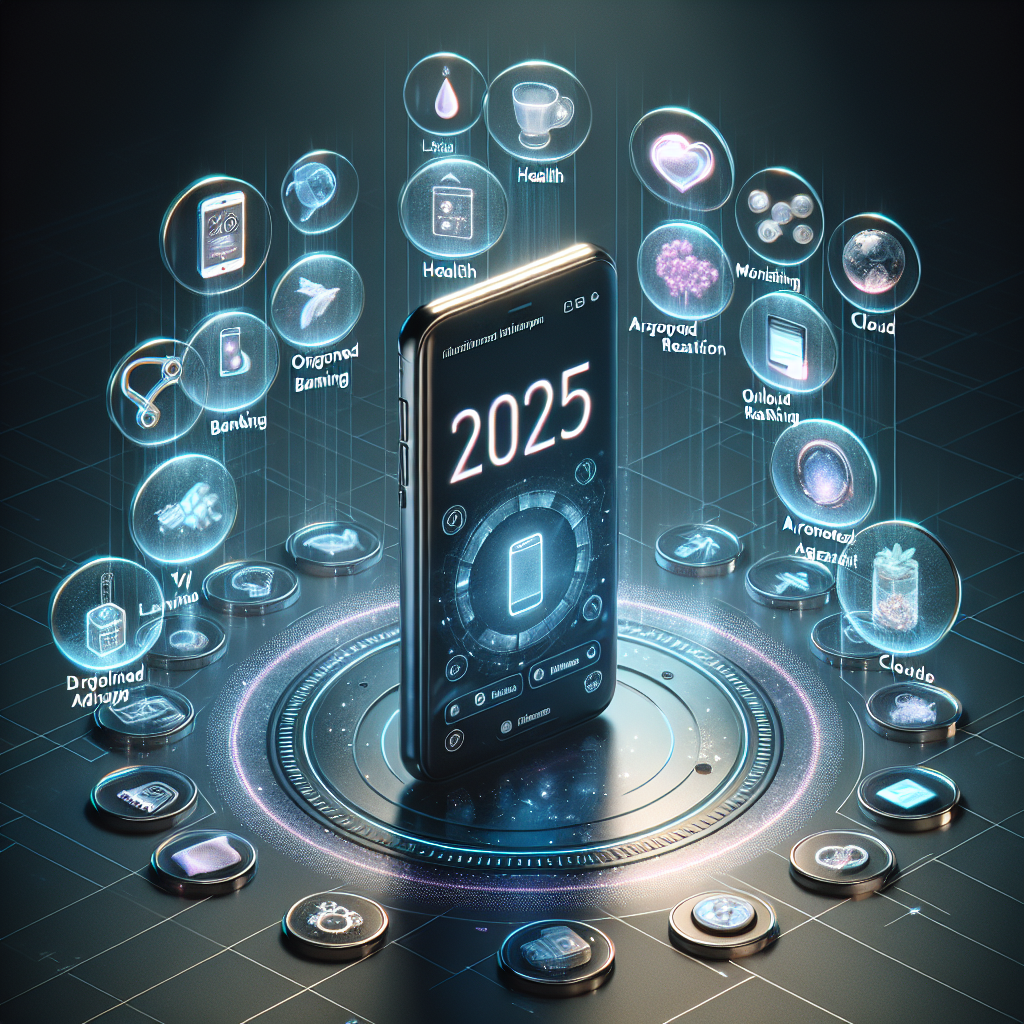
Unlock Hidden Features on Your Smartphone in 2025
Unlock Hidden Smartphone Features in 2025: A Comprehensive Guide
In 2025, smartphones continue to evolve at lightning speed, packed with groundbreaking features that many users have yet to discover. Whether you’re using the latest flagship or a mid-range device, unlocking hidden smartphone features can transform your daily experience by improving productivity, enhancing privacy, and adding convenience. This article dives into actionable tips and strategies to uncover and make the most of these lesser-known smartphone features in 2025.
Understanding Smartphone Features in 2025
Smartphone features in 2025 are more advanced, intuitive, and customizable than ever before. Manufacturers integrate AI-powered assistants, gesture controls, and context-aware automation seamlessly into their devices. However, many of these features are off by default or buried in menus, so knowing where and how to access them is essential. Unlocking these hidden capabilities enables you to use your smartphone smarter, rather than harder.
Top Hidden Smartphone Features to Unlock in 2025
1. Advanced AI Assistant Shortcuts
While voice assistants have been standard for years, new AI-driven shortcuts in 2025 smartphones go beyond basic commands. Explore your assistant’s settings to enable personalized routines triggered by time, location, or device status. For example, automatically launch music and DND mode when you start a workout or receive a reminder when you enter your workspace.2. Smart Display Customizations
Many smartphones now offer adaptive display features that adjust content and colors based on ambient light and usage patterns. Unlock these by accessing your display settings and enabling options like mood-based themes, dynamic text resizing depending on app focus, or even eye-comfort modes that reduce strain during nighttime use.3. Privacy-Boosting Features
Security remains paramount with increasing digital threats. Hidden privacy features include advanced app permission controls that limit background data access, AI-driven phishing detection in browsers, and encrypted messaging modes integrated natively into SMS apps. Review your privacy settings regularly to enable these protections.4. Multi-Window and Floating Apps for Multitasking
Multitasking advances are some of the most powerful yet underused smartphone features. Unlock multi-window modes and floating apps to simultaneously operate two or more applications without switching back and forth. On Android, explore developer options or customization apps to improve floating app behavior beyond defaults.5. Gesture Controls and Motion Sensors
Beyond tapping and swiping, 2025 smartphones incorporate sophisticated gesture and motion sensing. Enable features such as air gestures to scroll or answer calls without touching the screen or flip-to-mute functions. Access these via your gesture settings or accessibility menu to enhance one-handed usage and reduce screen smudges.Step-by-Step Guide to Discover Hidden Smartphone Features
Step 1: Update Your Operating System and Apps
Many hidden features become available only after updating your phone’s OS and system apps. Regularly check for updates and install them to unlock new functionalities and security enhancements.Step 2: Explore Developer Options
Unlocking developer options on Android gives you access to experimental features like animation scaling adjustments, background process limits, or USB debugging modes. To activate, tap the build number in your phone’s “About” section multiple times until the developer menu appears.Step 3: Use Built-In Troubleshooting Tools
Some smartphone features designed for diagnostics and enhancements are hidden under system tools or device care sections. Use these utilities to optimize battery life, free up storage automatically, and monitor app behavior to identify battery or data-hungry apps.Step 4: Enable Accessibility Features
Accessibility settings often include useful tools for all users, such as screen readers, color correction, magnifiers, and customized touch controls. Enabling these can also improve your interaction with your device in unexpected ways and uncover hidden options.Step 5: Leverage Third-Party Apps Wisely
Some hidden smartphone features may be unlocked or enhanced through trusted third-party apps. Automation apps like Tasker or shortcuts apps for iOS grant extensive capabilities to customize workflows, notifications, and system functions.Optimizing Hidden Smartphone Features for Better Performance
Unlocking hidden smartphone features is only half the battle; optimizing them ensures smooth and effective use. Begin with customizing notifications to avoid overload, tailoring AI routines based on your habits, and setting privacy features aligned with your comfort level. Use battery optimization tools to disable power-hungry background features selectively.
Common Smartphone Features Every User Should Know in 2025
– Ultra-fast biometric authentication, including in-display fingerprint scanners and facial recognition
– Cross-device continuity features to transfer tasks from smartphone to tablet or PC
– Smart home integration for seamless control of IoT devices directly through your smartphone
– Voice-to-text and enhanced predictive typing powered by next-gen natural language processingBy familiarizing yourself with these and other hidden smartphone features, you can dramatically improve your device’s usability and security.
Conclusion
Unlocking hidden smartphone features in 2025 allows every user to harness the full power of their device. With AI-driven enhancements, smarter automation, and robust privacy options, today’s smartphones offer far more than their surface functionalities suggest. By following this guide’s practical steps and exploring your phone’s settings thoughtfully, you can unlock your device’s best-kept secrets and enjoy a smoother, safer, and more productive mobile experience.
Make it a habit to regularly check for new features with OS updates and stay informed through trusted tech sources. Embrace these hidden smartphone features today, and experience the difference a knowledgeable approach can make to your digital lifestyle.
URL Slug: unlock-hidden-smartphone-features-2025
You may be interested
-
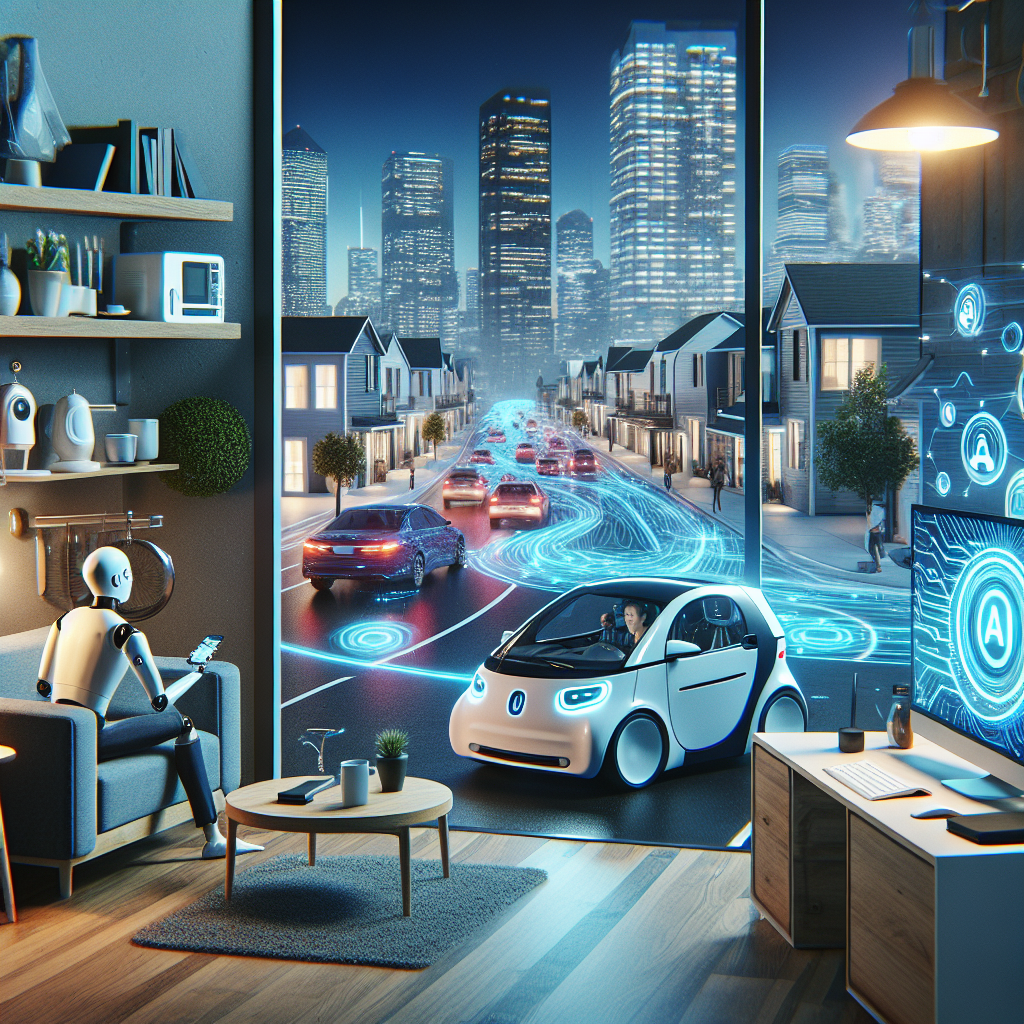
AI Revolutionizes Daily Life
Introduction
The AI impact on daily life is undeniable, marking a revolutionary shift in how we live, work, and interact. From smart assistants that manage our schedules to advanced algorithms that enhance healthcare diagnostics, artificial intelligence is seamlessly integrated into everyday activities. This article explores the transformative AI impact on daily life and provides actionable insights into harnessing this technology for improved convenience, productivity, and decision-making.
Understanding the AI Impact on Daily Life
Artificial intelligence, once confined to research labs, now plays a pivotal role in routine tasks, driving efficiency and personalization. The AI impact spans multiple sectors including home automation, transportation, entertainment, and personal finance. Understanding this impact helps individuals and businesses adapt to new possibilities created by intelligent machines.
AI in Home Automation: Simplifying Daily Tasks
The AI impact in home automation is evident through devices like smart thermostats, voice-controlled assistants, and security systems. These technologies learn user preferences and automate tasks, reducing manual effort.
– Voice Assistants: Devices such as Amazon Alexa and Google Home enable hands-free control over lights, music, and appliances.
– Energy Management: AI-powered thermostats optimize heating and cooling based on occupancy and weather forecasts, saving energy and costs.
– Home Security: AI-enabled cameras detect unusual activities and alert homeowners, enhancing safety.Integrating these AI tools streamlines household management and creates a more comfortable living environment.
AI Impact on Personal Productivity and Work
In the workplace, the AI impact manifests through automation of repetitive tasks, smarter data analysis, and enhanced collaboration tools.
– Task Automation: AI software handles scheduling, email filtering, and document organization, freeing up time for creative and strategic work.
– Data Insights: Machine learning algorithms analyze vast datasets to uncover trends and support decision-making.
– Virtual Collaboration: AI enhances video conferencing by improving audio-visual quality and providing real-time transcription.By leveraging AI, professionals can increase productivity, reduce errors, and focus on high-value activities.
Healthcare Revolution: AI Impact on Health Monitoring and Treatment
Healthcare benefits significantly from the AI impact, improving patient outcomes and operational efficiency.
– Diagnostic Assistance: AI algorithms analyze medical images for early disease detection, such as cancer and eye conditions.
– Personalized Medicine: Machine learning tailors treatment plans based on genetic and lifestyle data.
– Remote Monitoring: Wearable devices equipped with AI track vital signs and alert users or doctors to potential issues.These advancements lead to more timely and precise healthcare, transforming patient experiences.
AI Impact in Transportation and Mobility
Transportation systems are evolving with AI to create safer and more efficient travel experiences.
– Autonomous Vehicles: Self-driving cars use AI to interpret sensor data and navigate roads, aiming to reduce accidents and congestion.
– Traffic Management: AI analyzes traffic flows to optimize signal timings and suggest alternate routes.
– Ride-Sharing Optimization: Platforms utilize AI to match riders and drivers more effectively, decreasing wait times and emissions.As AI expands its reach in mobility, daily commutes become smarter and more sustainable.
AI in Entertainment and Personalized Experiences
The AI impact on entertainment includes content recommendations and interactive experiences tailored to individual preferences.
– Streaming Services: AI algorithms suggest movies, music, and shows based on viewing history and ratings.
– Gaming: AI-powered NPCs (non-player characters) adapt to player behaviors, providing challenges and realistic interactions.
– Virtual Reality: AI enhances immersive environments by adjusting scenarios dynamically to the user’s responses.These innovations deliver more engaging and customized entertainment options.
Challenges and Ethical Considerations of the AI Impact
Despite the numerous benefits, the AI impact brings challenges related to privacy, job displacement, and bias.
– Data Privacy: AI systems require large amounts of personal data, raising concerns about security and consent.
– Workforce Changes: Automation threatens certain job categories, necessitating reskilling and education initiatives.
– Algorithmic Bias: AI can perpetuate existing social biases if not properly managed.Addressing these issues responsibly is critical to maximizing the positive AI impact on society.
Maximizing the AI Impact on Your Daily Life: Practical Tips
To fully benefit from AI innovations, consider the following strategies:
– Stay Informed: Regularly update yourself on new AI tools and applications relevant to your routine.
– Embrace Automation: Use AI-powered devices and apps to automate mundane tasks such as reminders, budgeting, and shopping.
– Prioritize Privacy: Use secure AI platforms and review privacy settings to safeguard your data.
– Upskill: Develop skills in AI literacy to better understand and interact with intelligent systems.By proactively adapting to AI changes, individuals can enhance efficiency and convenience in daily life.
Conclusion
The AI impact is reshaping the fabric of daily living, offering unprecedented opportunities for convenience, health, productivity, and entertainment. While challenges remain, understanding and embracing this technological revolution enables individuals and society to thrive in an increasingly AI-driven world. Harnessing the AI impact thoughtfully will unlock a future marked by innovation and improved quality of life.
You may be interested
-
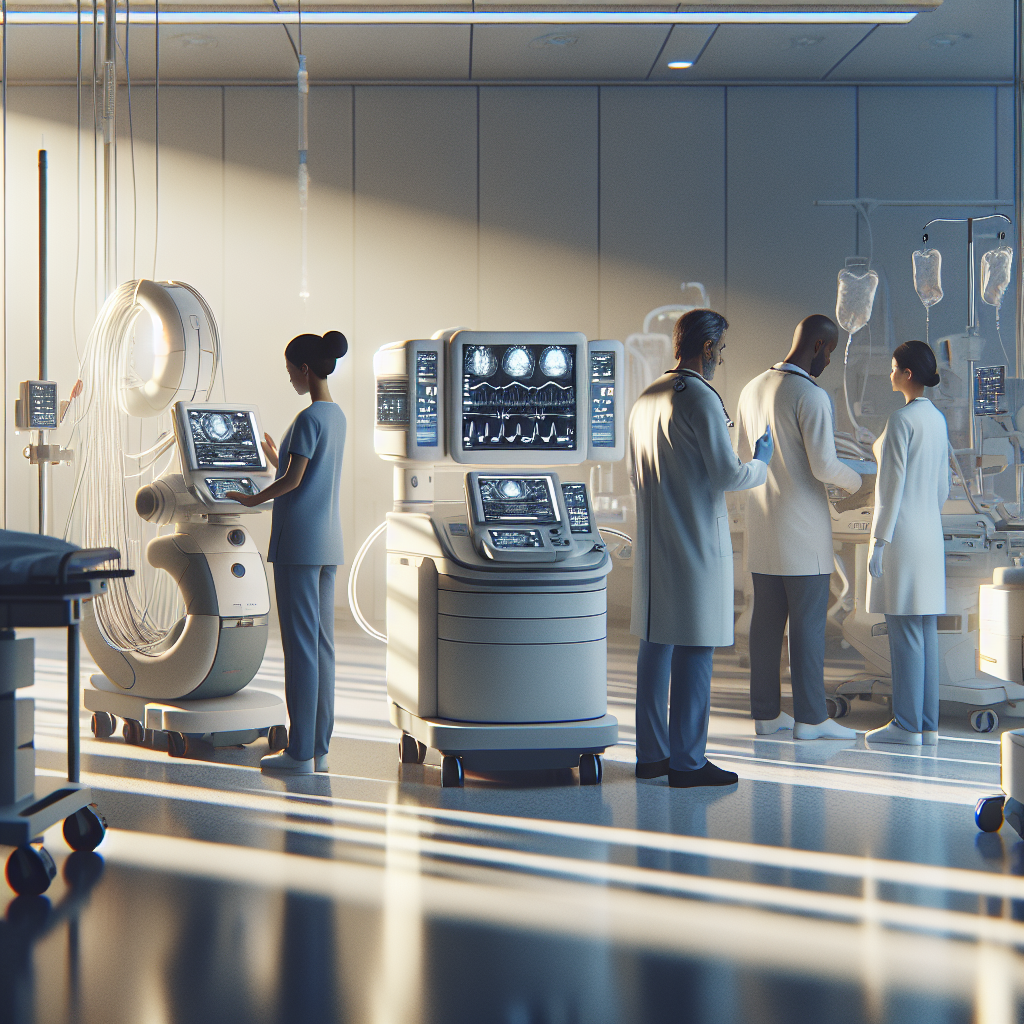
AI Breakthroughs in Healthcare
Introduction to AI Healthcare Breakthroughs
The landscape of healthcare is undergoing a revolutionary transformation fueled by advancements in artificial intelligence (AI). AI healthcare technologies are reshaping how medical professionals diagnose, treat, and manage diseases, offering unprecedented accuracy and efficiency. This article explores the latest AI breakthroughs in healthcare, highlighting practical applications, innovative tools, and future potential to improve patient outcomes and streamline healthcare systems.
Understanding AI Healthcare and Its Impact
AI healthcare refers to the integration of artificial intelligence technologies into medical processes to support decision-making, automate routine tasks, and provide predictive insights. Machine learning algorithms, natural language processing, and computer vision are among the critical components driving AI innovations in diagnosis, treatment planning, and patient monitoring.
In recent years, AI healthcare has enabled earlier disease detection, personalized treatment strategies, and enhanced clinical workflows. These advancements not only improve patient care but also reduce healthcare costs and resource burdens.
Key AI Healthcare Breakthroughs Transforming Medical Practice
AI-Powered Diagnostic Tools
One of the most significant breakthroughs in AI healthcare involves AI-powered diagnostic tools. These systems analyze medical images, lab results, and patient data to identify abnormalities and diseases with remarkable precision.
For instance, AI algorithms trained to detect cancer cells in radiology images now outperform traditional methods in terms of speed and accuracy. By recognizing subtle patterns undetectable to the human eye, AI healthcare diagnostics facilitate early intervention, significantly improving survival rates.
Personalized Medicine Through AI Analysis
AI healthcare breakthroughs include developing personalized medicine, tailoring treatment plans based on individual genetic profiles and health histories. Machine learning models analyze vast datasets to predict patient responses to various therapies, enabling customized interventions that optimize effectiveness and minimize side effects.
This approach is particularly promising in managing chronic diseases such as diabetes and cancer, where treatment resistance and variability often complicate care.
AI-Driven Drug Discovery and Development
Traditional drug development is a lengthy and costly process, often spanning years with uncertain outcomes. AI healthcare innovations have introduced AI-driven drug discovery platforms, dramatically accelerating this process by identifying potential drug candidates through data-driven simulations.
By predicting molecular interactions and therapeutic potential, AI reduces research time and costs, facilitating faster availability of life-saving medications.
Robotics and AI in Surgery
AI healthcare advancements extend into surgical procedures with the introduction of intelligent robotic systems. These robots assist surgeons by providing enhanced precision, real-time feedback, and data integration during operations.
Robotic-assisted surgeries minimize invasiveness and improve recovery times, while AI analysis of surgical videos and patient data guides better decision-making, reducing human error and complications.
Enhancing Patient Monitoring with AI Healthcare
Continuous patient monitoring is critical for managing severe and chronic conditions. AI healthcare solutions deploy wearable sensors and remote monitoring devices that collect real-time physiological data, alerting medical staff to any anomalies.
Machine learning algorithms identify trends and predict potential emergencies before they occur, enabling proactive interventions and reducing hospital readmissions.
Natural Language Processing for Medical Records
The adoption of AI healthcare tools extends to natural language processing (NLP) applications that streamline medical documentation. AI systems transcribe and interpret physician notes, extract key clinical information, and facilitate interoperability between electronic health record (EHR) systems.
This automation reduces administrative burdens, allowing healthcare providers to focus more on patient care and less on paperwork.
Challenges and Ethical Considerations in AI Healthcare
While AI healthcare breakthroughs bring immense benefits, there are challenges and ethical concerns to address. Data privacy, algorithmic bias, and regulatory compliance are critical issues requiring careful management.
Ensuring that AI systems maintain transparency and equity in medical decision-making is essential to build trust among patients and clinicians. Moreover, continuous validation and real-world testing of AI healthcare applications are necessary to guarantee safety and efficacy.
Future Directions of AI Healthcare Innovation
The future of AI healthcare promises even deeper integration of intelligent technologies. Emerging fields such as explainable AI, federated learning, and multimodal data analysis aim to enhance AI transparency and collaboration across institutions while preserving patient confidentiality.
Integrating AI healthcare with telemedicine and mobile health solutions will broaden access to quality care, especially in underserved regions. Additionally, the use of AI for mental health diagnosis and intervention represents a growing frontier with significant potential.
Conclusion
AI healthcare breakthroughs are revolutionizing the medical field by improving diagnostic accuracy, personalizing treatments, accelerating drug development, and enhancing patient monitoring. Despite existing challenges, ongoing innovation and ethical vigilance are paving the way for AI to become an indispensable element of modern healthcare. Embracing these technologies promises not only better health outcomes but also a more efficient and equitable healthcare system for all.
You may be interested
-
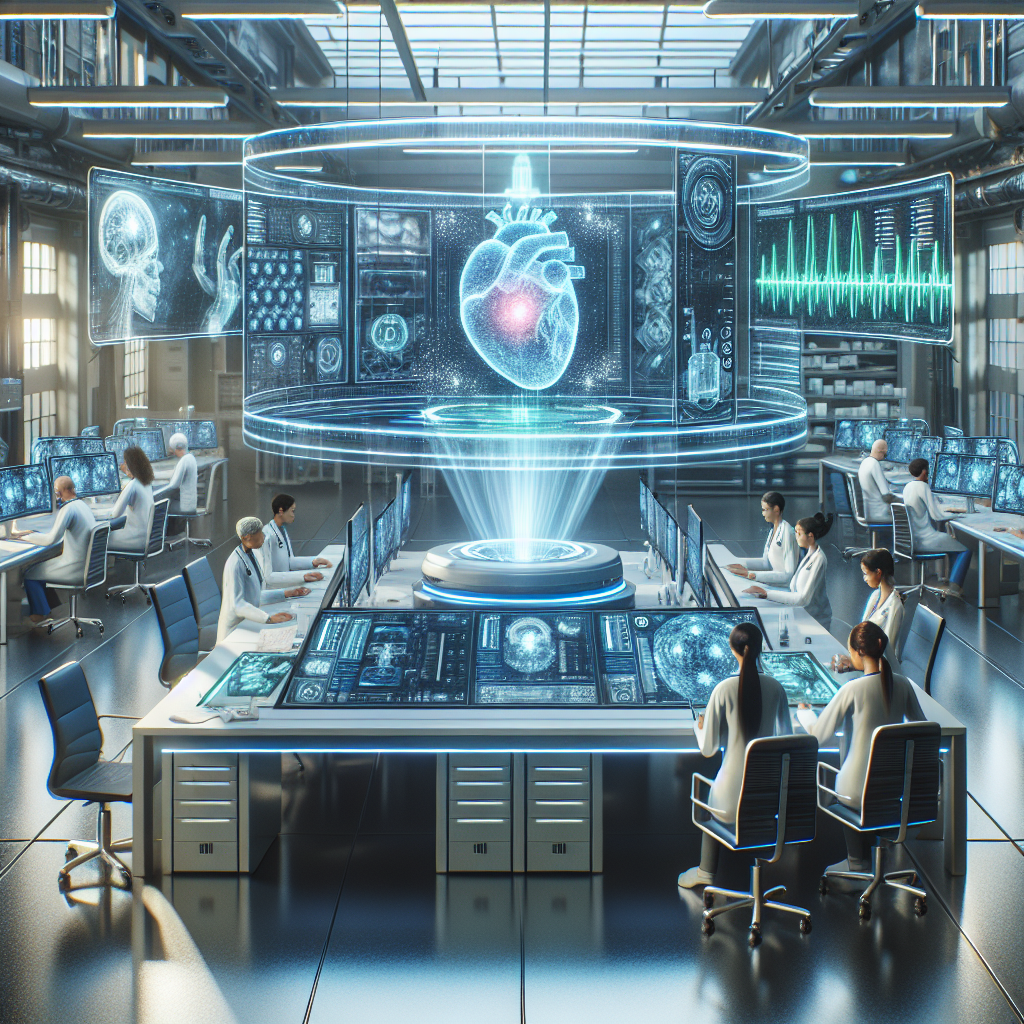
AI Revolutionizing Healthcare Industry Forever
Introduction to AI Healthcare: Revolutionizing the Healthcare Industry Forever
The healthcare industry is undergoing a profound transformation driven by artificial intelligence (AI). AI healthcare technologies are not only enhancing patient care but also streamlining operations and enabling groundbreaking research. From diagnostics to personalized treatment plans, AI healthcare is revolutionizing the healthcare industry forever, promising improved outcomes and more efficient systems globally. In this article, we explore how AI healthcare is reshaping every facet of the healthcare ecosystem, the practical applications in use today, and what the future holds.
How AI Healthcare is Transforming Patient Diagnostics
One of the most significant impacts of AI healthcare is in diagnostics. Traditional diagnostic processes often rely on manual interpretation of medical images, patient history, and test results, which can be time-consuming and prone to error. AI algorithms, particularly those powered by deep learning, can analyze medical images such as X-rays, MRIs, and CT scans with remarkable precision.
AI healthcare tools can detect anomalies such as tumors, fractures, and other diseases earlier and with greater accuracy than some human experts. For example, AI models can differentiate between malignant and benign tumors, identify early signs of diabetic retinopathy, or detect cardiovascular conditions from imaging data. This ability leads to faster diagnosis and earlier intervention, which is critical for successful treatment and patient survival.
Enhancing Personalized Treatment Plans with AI Healthcare
Personalized medicine is another domain where AI healthcare is driving unprecedented innovation. Each patient responds differently to treatments based on genetics, lifestyle, and medical history. AI analyzes this complex data to tailor treatment regimens specific to individual patient needs.
By integrating genomic data with clinical information, AI healthcare platforms help clinicians design targeted therapies for diseases like cancer, autoimmune disorders, and rare genetic conditions. Machine learning models can predict how patients will respond to certain drugs, allowing healthcare providers to optimize medication selection and dosage, minimizing adverse effects and improving efficacy.
Streamlining Hospital Operations through AI Healthcare
AI healthcare is not limited to clinical applications; it is crucial in improving hospital and healthcare facility operations. AI-powered systems automate administrative tasks such as appointment scheduling, billing, and patient record management. This reduces human error, cuts down on processing time, and lowers operational costs.
Moreover, predictive analytics enabled by AI healthcare helps anticipate patient admission rates, staffing needs, and supply demands, ensuring healthcare providers are better prepared and resource allocation is optimized. This enhances overall hospital efficiency and patient satisfaction by reducing wait times and improving the quality of care.
AI Healthcare-Driven Innovations in Drug Discovery
Drug development has historically been a lengthy and costly process. AI healthcare is revolutionizing this area by accelerating drug discovery and development. Machine learning algorithms can analyze vast datasets of chemical compounds, biological data, and clinical trial results to identify promising drug candidates much faster than traditional methods.
AI-driven models predict how different compounds will behave in the body, help design new molecules, and simulate clinical trials, significantly reducing the time from research to market. These advancements enable faster rollout of new treatments for critical conditions, ultimately saving lives and healthcare costs.
Improving Remote Patient Monitoring and Telemedicine with AI Healthcare
The rise of telemedicine and remote patient monitoring has been greatly aided by AI healthcare technologies. Wearable devices equipped with AI sensors continuously collect health data such as heart rate, blood pressure, oxygen saturation, and glucose levels.
AI healthcare systems analyze this data to detect abnormalities in real-time and alert healthcare providers or patients before conditions worsen. This proactive approach enhances chronic disease management, reduces hospital readmissions, and supports aging populations in aging independently. Furthermore, integrating AI into telemedicine platforms improves virtual consultations by assisting clinical decision-making and providing personalized health insights during remote visits.
Addressing Ethical and Privacy Considerations in AI Healthcare
Despite its many benefits, AI healthcare also raises important ethical and privacy concerns. Patient data privacy must be rigorously protected given the sensitive nature of medical information. Healthcare organizations implementing AI must comply with regulations such as HIPAA and GDPR to ensure data security.
Transparency in AI healthcare algorithms is also critical to avoid biases that could lead to unequal care among different patient groups. Ethical frameworks and continuous monitoring should be established to maintain trust and accountability as AI healthcare becomes more integrated into clinical settings.
Future Outlook: The Expanding Role of AI Healthcare
Looking forward, AI healthcare will continue to evolve and expand its capabilities. Emerging technologies such as natural language processing will enhance electronic health record analysis, enabling more comprehensive and accessible patient information. AI-powered robotics may assist in complex surgeries with even greater precision.
Moreover, as AI healthcare systems learn and adapt through real-world data, they will improve predictive analytics for disease outbreaks, personalized wellness recommendations, and even mental health interventions. The healthcare industry’s integration with AI promises a future where care is more proactive, precise, and patient-centered.
Conclusion
AI healthcare is unquestionably revolutionizing the healthcare industry forever. Its ability to enhance diagnostics, personalize treatment, streamline operations, accelerate drug discovery, and improve remote care highlights its transformative power. While ethical and privacy challenges remain, the ongoing innovation and careful governance of AI healthcare technologies will shape a more efficient, effective, and accessible healthcare system worldwide. Embracing these advancements today is crucial for providers, patients, and policymakers aiming to deliver the highest standard of care in the AI-driven era.
You may be interested