Category: Tech Fact

  • 10 Surprising Tech Facts You Probably Didn’t Know

    10 Surprising Tech Facts You Probably Didn’t Know

    Unlocking the Hidden World of Tech Facts

    Have you ever wondered what marvels and mysteries lie behind the screens, codes, and gadgets we use every day? Technology has woven itself into every facet of our lives, but beneath the surface, there’s a whole world of astonishing tech facts waiting to surprise us. From the quirky beginnings of the internet to the secret lives of our favorite devices, the world of technology is full of unexpected twists. Here’s your chance to explore 10 surprising tech facts you probably didn’t know—perfect for sharing at your next trivia night or impressing your friends with your knowledge of the digital frontier.

    The Origins and Growth of the Internet

    The internet, as we know it, connects billions of people worldwide. But do you know where it all began and just how vast it has become?

    The First Message Sent Over the Internet

    The first tech fact on our list takes us back to 1969. The first-ever message over what would become the internet (ARPANET) was supposed to say “login.” However, the system crashed after only the first two letters, sending just “lo.” It’s a little-known quirk that the internet started with not even a full word—talk about humble beginnings!

    More Devices Than People

    As of 2022, estimates claim there are over 14 billion connected devices worldwide—about twice the global population. Smart speakers, fridges, watches, and more all contribute to this staggering number. Technology is growing at an exponential rate, with experts predicting over 25 billion devices will be online by 2030.

    – Did you know? The Internet of Things (IoT) accounts for a huge part of this growth, with everyday objects joining the digital network.

    Unusual Inventions and Surprising Innovations

    Some inventions change the world, while others simply make it more interesting. These tech facts showcase just how inventive the tech industry can be.

    Braille Smartwatches

    While most smartwatches focus on getting smaller screens and more features, inventors in South Korea created the world’s first Braille smartwatch. Using tiny pins that rise and fall, this watch lets visually impaired users read messages and notifications by touch—opening up digital communication for millions.

    The First Webcam’s Quirky Purpose

    One of the most popular tech facts: The world’s first-ever webcam wasn’t designed for face-to-face chatting. It was set up at the University of Cambridge in 1991, all to keep tabs on a coffee pot. Researchers could check if it was brewing without leaving their desks—a true testament to laziness or efficiency, depending on your point of view.

    – This quirky origin has inspired countless similar hacks since then.

    Games and Entertainment: More Than Meets the Eye

    Gaming tech facts come packed with surprises, as video games have quietly changed the face of computing and culture.

    Tetris: The Soviet Puzzle With Worldwide Impact

    Tetris, one of the most iconic games ever, was programmed by Russian software engineer Alexey Pajitnov in 1984. Interestingly, due to Soviet-era legal restrictions, Pajitnov did not initially receive royalties for the game’s worldwide popularity. It’s proof that sometimes life’s most addictive technologies come from the most unexpected places.

    Mario’s Namesake

    Did you know that Nintendo’s famous plumber, Mario, was named after the landlord of Nintendo’s first American office? The original character was simply called “Jumpman,” but after a heated rent negotiation, he became Mario to honor (and appease) building owner Mario Segale.

    – Gaming’s odd backstories are some of the most memorable tech facts you’ll find.

    The Power and Scale of Supercomputers

    The world’s most powerful computers are feats of engineering and innovation. Here are some tech facts that highlight the scales at play.

    The World’s Fastest Supercomputer Can Mimic the Human Brain—Barely

    In 2023, “Frontier,” built by Oak Ridge National Laboratory in the United States, topped the list of fastest supercomputers. It can perform more calculations in a second than all of humanity could in a lifetime, yet even this marvel only scratches the surface when compared with the human brain’s capacity. According to scientists, it would take a supercomputer the size of a football field just to successfully mimic one second of brain activity!

    Exascale Leap: What Does It Mean?

    The world’s current most advanced systems, known as exascale supercomputers, are capable of more than a quintillion (that’s a million trillion) calculations per second. This enables breakthroughs in weather forecasting, medical research, and even the search for extraterrestrial life.

    – For more about the history and future of supercomputing, check out the [Top500 Supercomputer List](https://www.top500.org/).

    Tech Facts Hidden in Your Everyday Life

    We often overlook just how much technology is woven into our routines. Here are some tech facts that reveal the extraordinary in the ordinary.

    There’s More Computer Power in Your Pocket Than in the Apollo Missions

    It’s almost cliché, but it’s true: the average smartphone today packs more processing power than the computers used during the Apollo moon landings. NASA’s Apollo Guidance Computer ran at 0.043 MHz, while most modern smartphones operate over 2,000 times faster. It’s a fact that’s both humbling and a testament to progress.

    – Simple tasks like checking the weather or streaming a song tap into computational power previously unimaginable.

    Bluetooth’s Viking Roots

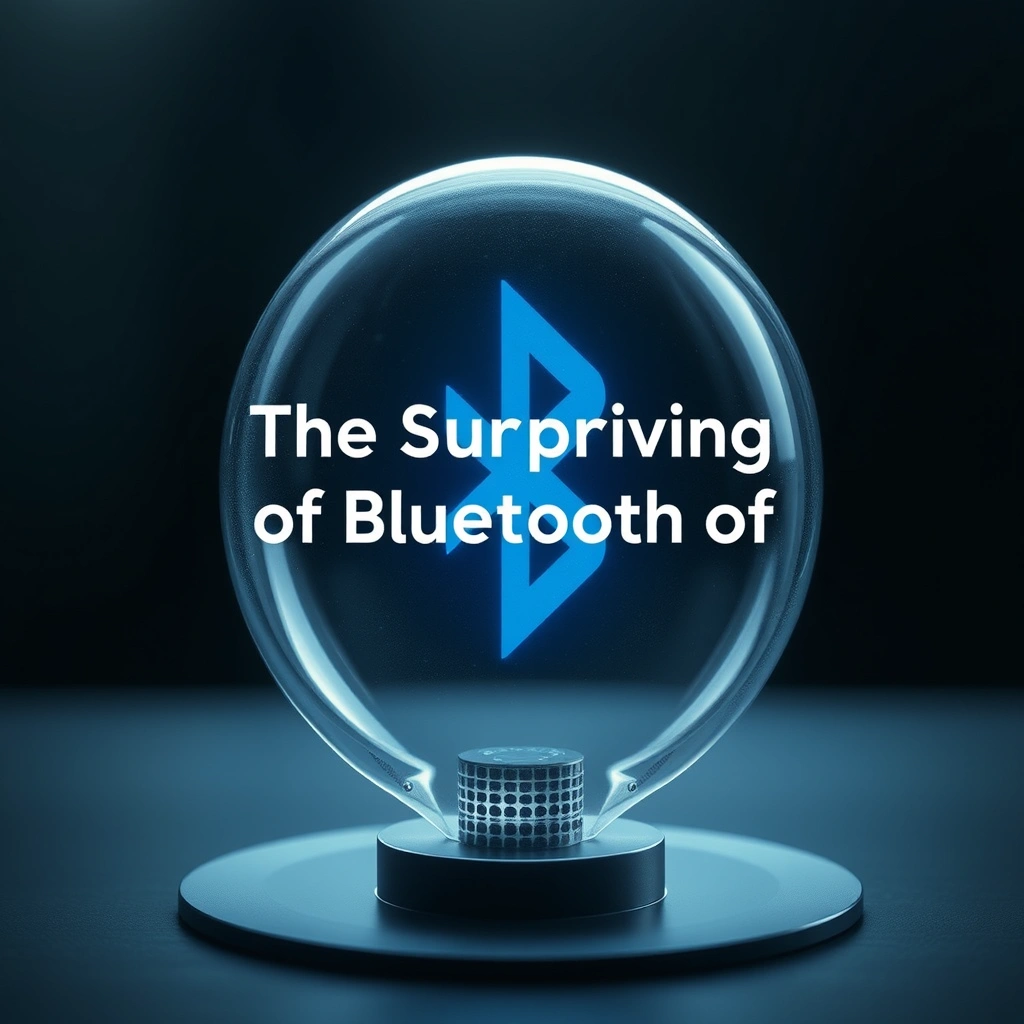
    Ever wondered why wireless tech is called “Bluetooth”? It’s named after the 10th-century Viking king Harald “Bluetooth” Gormsson, who united Denmark and Norway. Developers wanted a codename for technology that would unite devices—and the moniker stuck.

    – The Bluetooth logo is a combination of King Harald’s initials in ancient runes.

    Internet Oddities and Digital Culture

    Technology isn’t just about hardware and software; it’s also about the strange habits and subcultures it creates. These tech facts will raise your eyebrows.

    The First Spam Email Dates Back to 1978

    While spam emails are a modern nuisance, the very first spam message dates way back to 1978. Sent by Gary Thuerk to 393 people on ARPANET, this email advertised computer equipment and caused quite a stir. Surprisingly, it even resulted in significant sales!

    Wi-Fi Is Technically Not Short for Anything

    Many people think “Wi-Fi” stands for “Wireless Fidelity,” but the term was invented purely for marketing. It was chosen for its catchy sound, playing off “Hi-Fi” stereo, rather than any deep technical meaning.

    – Next time someone claims to know what Wi-Fi stands for, you have one of the best tech facts up your sleeve.

    Surprising Environmental Impacts

    Technology shapes our planet as much as our daily lives. Let’s look at some tech facts highlighting the unexpected side effects of technological progress.

    The Internet’s Massive Energy Appetite

    Streaming your favorite show might feel harmless, but globally, the internet’s infrastructure uses as much energy as the entire aviation industry. Data centers run night and day, cooling and processing millions of requests worldwide.

    – In fact, a single Google search uses about as much energy as turning on a 60W light bulb for 17 seconds.

    Electronic Waste: The Biggest Growing Trash Problem

    As we race to keep up with the latest devices, electronic waste—or e-waste—has become the fastest-growing waste stream in the world. It’s estimated that only about 20% of e-waste is properly recycled, while the rest ends up in landfills, polluting the soil and water.

    – Looking for ways to responsibly dispose of your gadgets? Visit [Earth911](https://earth911.com/) for recycling locations and tips.

    Human Health and Technology’s Surprising Connection

    The intersection of technology and health leads to some of the most fascinating tech facts out there.

    Smartphone Germs—Dirtier Than a Toilet Seat?

    Your smartphone might be the most germ-laden object you own. Several studies have shown the average phone carries ten times more bacteria than a toilet seat. That’s because they go everywhere with us, collecting germs from all kinds of surfaces along the way.

    – Regularly cleaning your tech is more than a hygiene habit—it’s a health essential.

    Wearables Are Now Helping Save Lives

    Modern fitness trackers and smartwatches do more than count steps. Many now monitor heart rate variability, detect falls, and even alert users to irregular heart rhythms. There are already stories of people who received early alerts about potential heart issues—thanks to their wearable tech.

    – Technology is increasingly getting personal, helping individuals track vital health metrics 24/7.

    How These Tech Facts Inspire Our Future

    From the playful origins of the first webcam to the unimaginably vast scale of modern supercomputers, these tech facts reveal just how strange, powerful, and creative our relationship with technology can be. They remind us that the tech shaping our world isn’t just about code and hardware—it’s about people, innovation, and sometimes a quirky sense of humor.

    Embrace your curiosity about technology, and share these surprising insights with others. The more you know, the more you can make the most of what’s possible in a world driven by constant change. If you’re inspired to dive deeper or want to explore more fascinating tech facts, discover resources, or connect with like-minded enthusiasts, reach out anytime at khmuhtadin.com. There’s always something new to learn—and you’re just one fact away from your next “wow!” moment.

  • Your Smartphone Has More Power Than 1960s NASA

    Your Smartphone Has More Power Than 1960s NASA

    The Astonishing Power of Modern Smartphones

    Have you ever wondered just how powerful the tiny device in your pocket really is? Here’s a remarkable tech fact: your everyday smartphone outperforms the colossal computers that once guided NASA astronauts to the moon in the 1960s. This contrast in computing power isn’t just a fun trivia nugget—it’s a testament to the incredible pace of technological advancement. From launching rockets to streaming high-definition movies, discover why your smartphone is a modern marvel that dwarfs the feats of the past.

    The Computers That Took Us to the Moon

    Before we dive into today’s stunning tech fact, let’s journey back to the 1960s, an era where computing filled entire rooms and every byte counted.

    The Apollo Guidance Computer: NASA’s Moon Machine

    During the Apollo missions, the Apollo Guidance Computer (AGC) was the technological heart of lunar navigation. Developed by the Massachusetts Institute of Technology (MIT), the AGC weighed 70 pounds and contained roughly 64 KB of memory and processed at about 0.043 MHz. Its purpose? Run complex calculations for guidance, navigation, and control—tasks that were, at the time, cutting-edge.

    – Memory: 64 KB
    – Processing Power: 0.043 MHz (43 KHz)
    – Size: Roughly that of a briefcase
    – Cost and Complexity: Multimillion-dollar budget, team of dozens to program

    Room-Size Computers and Manual Calculations

    The AGC wasn’t alone. NASA’s ground teams used mainframes like the IBM System/360. These filled entire rooms, guzzled electricity, and relied on punch cards for input. Astronauts themselves often relied on mechanical slide rules and handwritten calculations for critical mission steps!

    Your Smartphone’s Supercharged Specs

    Today’s smartphones are sleek, lightweight, and packed with hardware that makes past computers look ancient. Consider this standout tech fact: the average modern smartphone is millions of times more powerful than all the computers NASA used during the Apollo era.

    A Leap in Processing Power

    Your smartphone likely sports a multi-core processor running at over 2 GHz—nearly 50,000 times faster than Apollo’s AGC.

    – Typical Smartphone Processor: 2 GHz (2,000 MHz)
    – Memory: 4‒16 GB RAM, plus 64 GB or more storage
    – Battery Life: All-day performance, hundreds of times longer than vintage hardware
    – Cores: 4–8, enabling true multitasking

    For example, the Apple A15 chip benchmarks over 1 trillion operations per second. NASA’s AGC maxed out under 100,000.

    Everything at Your Fingertips

    Beyond the raw numbers, your smartphone is an all-in-one communications device, media center, and supercomputer. It seamlessly handles GPS navigation, voice commands, real-time translation, 4K video editing, and even augmented reality—all tasks unimaginable to 1960s engineers.

    The Most Surprising Tech Fact: From Rockets to Everyday Life

    It’s one thing to compare numbers, but another to realize how these advances shape daily living. This tech fact isn’t just about power; it’s about accessibility and possibility.

    Moon Missions vs. Mobile Apps

    To guide astronauts safely to the lunar surface, NASA engineers had to fit critical software into a tiny memory limit. They practiced “software squeezing,” optimizing every line of code before launch.

    In contrast, a single smartphone app, like Instagram or Google Maps, can be dozens or hundreds of times bigger than Apollo’s entire guidance system. And your device runs dozens of apps at once, effortlessly.

    Complexity and Connectivity

    While the AGC could only perform basic navigation calculations, your smartphone connects instantly to billions of users worldwide. It pulls real-time weather, provides global positioning, and streams live video—faster and with more redundancy than anything NASA had in the 1960s.

    – Navigation: Your phone’s GPS system uses an array of satellites and can pinpoint your location within a few feet.
    – Communication: Instant messaging apps send your words around the globe in milliseconds.
    – Automation: Tasks like route planning, translation, and video processing are handled in seconds.

    Why Does Smartphone Power Matter?

    Why should we care about this tech fact? The difference isn’t just academic—it’s changing our world.

    Democratizing Technology

    Once, only governments and giant corporations could dream of the computing might it took to reach the moon. Today, that power rides in your pocket, available to billions. This democratization fuels innovation, learning, and creativity.

    – Students run simulations that would once require supercomputers.
    – Small businesses manage international logistics from a handheld device.
    – Individuals create works of art, start businesses, and learn new skills on their phones.

    Empowering New Generations

    A smartphone lets you create, connect, and compete on a global stage. From coding apps to capturing high-res photography, the same power that once propelled astronauts now powers your everyday ambitions. That’s an empowering tech fact everyone should know.

    The Speed of Innovation: How Did We Get Here?

    Understanding this tech fact means recognizing the journey from early computers to today’s handheld marvels.

    Moore’s Law and Exponential Growth

    In 1965, Intel co-founder Gordon Moore observed that computing power doubles approximately every two years. This “Moore’s Law” has held remarkably true—shrinking transistors, faster chips, and affordable devices have given rise to today’s smartphones.

    – Transistor count: From a few thousand in the 1960s to tens of billions today
    – Size and Cost: From room-filling, million-dollar machines to credit-card sized devices costing a fraction

    From Hardware Barriers to Software Powerhouses

    Not only are smartphones faster, but app and software ecosystems make their power accessible. Cloud computing, machine learning, and AI-driven apps let your device do things NASA could only dream about.

    – Voice recognition, machine translation, and augmented reality are standard features.
    – Cloud storage means your phone’s data is accessible anywhere.
    – AI algorithms run behind the scenes, suggesting replies, sorting photos, and enhancing images.

    Tech Fact Spotlight: How Smartphones Stack Up

    To fully appreciate today’s tech fact, let’s compare some concrete scenarios.

    Calculation Speed Comparison

    – Apollo AGC: About 85,000 instructions per second
    – Modern Smartphone: Over 100 billion instructions per second

    This means your device can accomplish in a heartbeat what would have taken NASA’s computers weeks or months.

    Memory Space

    – Apollo AGC: 64 KB
    – iPhone 14: Up to 512 GB, or about 8 million times more memory

    You could fit every Apollo guidance program thousands of times over onto a single modern smartphone.

    Energy Efficiency

    Advances in microprocessor design mean today’s devices perform vastly more calculations while using far less electricity. The AGC required dedicated generators and heavy power draws, whereas your phone’s battery powers internet, apps, and camera all day long.

    Miniaturization and Portability

    Carrying a “supercomputer” in your pocket would have sounded like science fiction in the Apollo era. Today, it’s an everyday reality.

    The Impact on Society and Progress

    This tech fact also highlights how shifts in computing power have transformed industries and lifestyles.

    New Markets and Opportunities

    – Mobile banking lets billions manage finances securely.
    – Telemedicine connects patients with doctors remotely.
    – Social media empowers citizen journalism and grassroots activism.

    Technologies that once required deep pockets and government resources are now accessible to nearly anyone, sparking new industries and social change.

    Challenges of Rapid Progress

    With such rapid advancement, society faces new questions. Device addiction, privacy concerns, and digital divides are real issues that come with smartphone ubiquity. Just as NASA’s moon missions demanded careful stewardship of technology, today’s smartphone users must also be mindful of how they wield this power.

    What the Future Holds: Past Lessons for Tomorrow’s Tech

    Looking at this tech fact reminds us how quickly the impossible becomes everyday. Consider what’s just around the corner:

    Artificial Intelligence at Your Fingertips

    Advancements in AI and machine learning will soon turn smartphones into even smarter assistants—predicting needs, suggesting products, and even diagnosing illness with medical-grade precision. The power once used to plot a lunar course might soon optimize your health or business in real time.

    Augmented and Virtual Reality

    With more power and smarter software, your smartphone will shape new experiences—from immersive games to real-time learning environments, making science fiction a reality for millions.

    Global Connectivity

    The spread of affordable, high-powered smartphones is bridging educational and economic divides in developing regions. From farmers optimizing crops to students learning from global experts, this technological leap is a force for global progress.

    To learn more about the legacy of Apollo computing and its modern implications, visit NASA’s [official Apollo missions page](https://www.nasa.gov/mission_pages/apollo/).

    Recap: The Tech Fact That Puts History in Your Pocket

    Let’s put this mind-blowing tech fact into perspective: the device you use to text friends, snap photos, and play games possesses far more computational muscle than all the computers used during humankind’s first trip to the moon. With each swipe, you’re wielding technology that was once the domain of elite scientists and engineers.

    As tech evolves, take a moment to marvel at your phone’s hidden strengths—and consider how you can leverage them for learning, creating, and connecting with the world.

    Ready to unlock even more of your device’s potential or have questions about technology’s astonishing journey? Reach out anytime at khmuhtadin.com. The future is in your hands—start exploring today.

  • The Surprising Origin of Bluetooth’s Name and Logo

    The Surprising Origin of Bluetooth’s Name and Logo

    The Mystery Behind Bluetooth: More Than Just Wireless Connectivity

    Wireless technology is so deeply woven into our daily lives that we rarely pause to consider its backstory. But beneath the simplicity of pairing devices lies a story rich in history, royal intrigue, and a clever blend of ancient symbols and modern innovation. Have you ever wondered about the Bluetooth origin—specifically, why it’s called “Bluetooth” or why its logo looks the way it does? This article uncovers the surprising roots of the Bluetooth name and logo, unraveling tech lore that connects medieval Scandinavia to the digital age.

    The Viking King Who Inspired a Global Standard

    When engineers first developed the short-range wireless protocol we now call Bluetooth, they were searching for an apt codename—a label that might reflect the technology’s unifying ambition. Strikingly, their inspiration came not from bits or bytes, but from the annals of Scandinavian history.

    Who Was Harald “Bluetooth” Gormsson?

    The name “Bluetooth” traces back to King Harald I of Denmark, also known as Harald “Blåtand” Gormsson. He ruled in the late 10th century and is renowned for two enduring feats:
    – Unifying warring Danish tribes into a single kingdom
    – Introducing Christianity to Denmark

    Legend has it that Harald’s nickname, “Bluetooth,” referred to either a dead tooth that appeared blue-black or perhaps a penchant for eating blueberries. Despite its unusual origin, this moniker would come to symbolize technological unity a millennium later.

    Why King Harald? The Connection to Wireless Technology

    In the late 1990s, tech companies like Ericsson, Intel, Nokia, and IBM were collaborating on a universal short-range wireless protocol to link a wide spectrum of devices. The project’s driving goal—creating a standard to connect everything seamlessly—was reminiscent of Harald Bluetooth’s unification of Denmark.

    According to Jim Kardach, an Intel engineer instrumental in the protocol’s development, the name was first used as an internal codename. As he explained in his account on [Bluetooth.com](https://www.bluetooth.com/learn-about-bluetooth/bluetooth-technology/bluetooth-brand/), “Bluetooth was borrowed from the 10th-century king who unified Denmark, just as we were unifying the PC and cellular industries with a short-range wireless link.”

    How the Bluetooth Name and Logo Came to Be

    The Bluetooth origin story doesn’t stop at naming. Its now-iconic logo holds secrets from the same period, hidden in plain sight on billions of devices.

    The Power of a Simple Codename

    Initially, “Bluetooth” was a placeholder—not intended as a final commercial name. Other contenders, such as “PAN” (Personal Area Networking), were considered. However, marketing teams couldn’t agree on an alternative, and as deadlines loomed, “Bluetooth” stuck. What began as an internal joke became a global brand.

    The Bluetooth Logo: A Viking Monogram

    The Bluetooth logo is equally steeped in Scandinavian heritage. At first glance, its design may seem abstract or arbitrary. In reality, it’s a bind rune—a merging of two ancient runic alphabets:
    – ᚼ: Hagall (corresponds to “H”)
    – ᛒ: Bjarkan (corresponds to “B”)

    Combined, these runes represent the initials of Harald Bluetooth. The logo isn’t just a stylized “B”; it’s a hidden tribute to the king whose spirit of unification inspired the technology.

    The Evolution and Symbolism of Bluetooth

    Bluetooth’s cultural origins go hand in hand with its technological purpose—a tool designed to bridge gaps and foster seamless interactions between devices.

    The Bluetooth Origin’s Influence on Technology Adoption

    By embracing a memorable name and logo rooted in Viking legend, the Bluetooth Special Interest Group (SIG) created an identity that stands out in the crowded world of tech standards. The name “Bluetooth” fosters recall, while the mystique of Viking history offers a storytelling advantage—helping both marketers and engineers to communicate its purpose effectively.

    – The name instantly suggests connection and unity.
    – The symbol acts as a subtle, unifying mark across different brands and devices.
    – Consumers are more likely to remember and trust a standard with a unique, meaningful story.

    Uniting Devices Across Platforms: Fulfilling the Unification Legacy

    From audio headsets and smartwatches to medical devices and vehicles, Bluetooth has achieved King Harald’s unifying dream in the digital age. Its technology now powers over 4 billion device shipments annually—proof that a strong story can support even the most advanced innovations.

    Fun Facts and Trivia: The Quirks of Bluetooth’s Name and Logo

    Beyond its headline-grabbing origin, there are plenty of surprising facts tied to Bluetooth’s story. These details help explain why the technology has captivated tech geeks and everyday users alike.

    Unusual Nickname Becomes a Tech Legacy

    Who would have guessed that an ancient king’s dental issue would help brand a 21st-century protocol? King Harald’s nickname was never meant for global fame, yet it now graces millions of pockets daily.

    – “Bluetooth” is one of the few tech standards named after a person.
    – The blue color of the logo subtly references both the king’s moniker and the cool hues associated with wireless signals.

    The Logo’s Mystery Is Often Overlooked

    Few end users ever realize the runic alphabet hidden within the Bluetooth logo. Yet the symbol’s mysterious shapes add an aura of history and intrigue to an otherwise technical standard. This subtlety has bred internet theories and fun guessing games among enthusiasts—making the Bluetooth origin story a favorite in tech trivia circles.

    The Global Success of Bluetooth: Naming, Branding, and Beyond

    Today, Bluetooth is a household name, setting the gold standard for wireless, short-range data exchange. But how much of its success is due to its evocative history?

    How the Bluetooth Origin Helped Build a Powerful Brand

    Branding experts often cite Bluetooth as a model in the tech world—a prime example of how a bold, memorable name can help a technical invention rise above its peers. Not only does the name carry a story—it’s also inherently international, with easy pronunciation and recognition across languages.

    – In 2024, more than 5 billion Bluetooth-enabled devices are shipped each year (Bluetooth SIG).
    – The SIG includes over 36,000 member companies worldwide.
    – “Pairing via Bluetooth” is a phrase now understood in every major market.

    This widespread adoption might have been more difficult with a more generic name—proof that the Bluetooth origin story made a lasting impact.

    The Role of Storytelling in Tech Adoption

    Tech industry veterans often highlight the role of stories in helping people embrace new standards. When Bluetooth debuted, wireless connectivity was mysterious to many. By tying its brand to an old legend, Bluetooth made this new technology approachable and memorable, building trust through narrative.

    As author Simon Sinek says, “People don’t buy what you do; they buy why you do it.” The Bluetooth origin story answers both questions—why it’s unique, and why it matters.

    Modern Myths and Continued Curiosity

    The legend of Bluetooth doesn’t stop with its past. Each year, new users stumble upon the quirky connection between a Viking king and their latest gadget. The story continues to evolve as more facets of the technology enter daily life.

    The Legacy Grows With Each Innovation

    Bluetooth Low Energy (BLE), Bluetooth Mesh, and upcoming versions extend the original mission: linking devices seamlessly, regardless of type or manufacturer. Each evolution brings the story of King Harald to new generations, uniting not just tribes, but technologies.

    – From fitness trackers to wireless earbuds, Bluetooth shapes modern convenience.
    – Enthusiasts often share the Bluetooth origin story as ice-breakers in tech communities and classrooms.

    Educational Value: History Meets Technology

    Teachers and museum curators increasingly use the Bluetooth example to show how the past shapes the present. Whether in tech history lessons or branding workshops, the story bridges topics—from medieval Europe to the Internet of Things.

    Why the Bluetooth Origin Story Matters Today

    At first glance, the roots of Bluetooth’s name and symbol may seem like a quaint footnote. In reality, they reveal essential lessons about naming, branding, and the enduring power of legend in the tech world.

    Harnessing History for Modern Innovation

    By reaching into the past, Bluetooth’s founders anchored complex technology in an easily accessible narrative. The decision to use the name and insignia of King Harald Bluetooth shows how:
    – A strong origin story can differentiate a brand
    – Ancient symbols still hold power in the digital era
    – Technical standards need not be bland or forgettable

    Building Trust and Identity Through Story

    When consumers recognize, recall, and trust a logo or name, adoption accelerates. Bluetooth’s story—a tale of unity, innovation, and the blending of old and new—has helped millions make sense of new technology. It’s a playbook that continues to inspire tech companies looking for their own identity.

    Final Thoughts: The Enduring Power of Bluetooth’s Story

    The Bluetooth origin is more than a quirky piece of trivia—it’s a living reminder that technology connects us not just through networks, but through stories. An ancient king’s legacy rides alongside every wireless connection, proof that the past and present can combine to shape our digital future.

    As you next pair your headphones, connect your smartwatch, or sync your phone, remember the legacy behind the technology at your fingertips. And if you’ve enjoyed unraveling this historical tech mystery, consider sharing the story—or discovering your own.

    If you have further questions or want to learn more fascinating tech facts, feel free to reach out at khmuhtadin.com. Dive deeper, get inspired, and stay connected—because even in our fast-moving digital world, great stories are worth sharing.

  • The Surprising Origin of Bluetooth’s Name Will Blow Your Mind

    The Surprising Origin of Bluetooth’s Name Will Blow Your Mind

    The Unexpected Beginnings of Bluetooth Technology

    Think of the countless times you’ve used your wireless earbuds, synced your phone to a speaker, or paired fitness trackers. All of these rely on a near-invisible technology most of us take for granted—Bluetooth. Yet, few people pause and ask, “Where does the name Bluetooth come from?” The Bluetooth origin is not only surprising but also a testament to the power of innovation, storytelling, and a dash of historical curiosity. Let’s unravel this fascinating story that bridges the past with the cutting edge of modern connectivity.

    From Wireless Frustration to a Radical Solution

    In the mid-1990s, connecting electronic devices wasn’t as seamless as it is today. The tech world desperately needed a way for gadgets to communicate without tangled cables or complex setups. Several tech giants were racing to solve this problem, with Ericsson leading the charge.

    The Quest for Wireless Connectivity

    The Swedish telecom company Ericsson embarked on a mission in 1989 to create a short-range radio communication. Their early researchers, led by Dr. Jaap Haartsen and Sven Mattisson, foresaw the need to replace the clutter of proprietary connectors. Imagine the chaos: every computer, phone, and headset using a different standard—communication between them was near impossible.

    – Competing standards: Wi-Fi and IrDA (infrared) had their limitations.
    – Consumer pain points: Device pairing was clumsy, unreliable, and tethered.
    – Market urgency: The mobile and PC industries needed interoperability.

    The Power of Partnership

    Recognizing a global solution required global support, Ericsson teamed up with Intel, IBM, Nokia, and Toshiba in 1998. This coalition, called the “Bluetooth Special Interest Group” (SIG), set about defining technical specifications. Their collective strength made Bluetooth a near-universal standard by the turn of the millennium.

    The Surprising Story Behind the Name: Bluetooth Origin Unveiled

    You might expect the name “Bluetooth” to be a technical acronym or a cryptic code, but its origin is far more colorful. In fact, the Bluetooth origin is rooted in Scandinavian history, not technology.

    Who Was King Harald Bluetooth?

    The name Bluetooth is borrowed from a 10th-century Danish king, Harald “Bluetooth” Gormsson. But why name a groundbreaking tech after a medieval monarch?

    – King Harald ruled Denmark and parts of Norway from around 958 to 986 AD.
    – He’s most famous for uniting warring tribes of Denmark, fostering communication and cooperation.
    – The epithet “Bluetooth” supposedly comes from either his fondness for blueberries—staining his teeth—or a visible dead tooth. Historical records are hazy, but the nickname stuck.

    Why Choose Such an Unusual Name?

    The logic behind Bluetooth’s naming was both whimsical and symbolic.

    – During internal discussions, Jim Kardach of Intel (a key figure in the SIG) suggested “Bluetooth” as a code name.
    – He saw a parallel between King Harald’s unification of tribes and the intended mission of the technology—to unite devices across brands and industries.
    – The team loved the metaphor. In Kardach’s own words: “Bluetooth was intended to unify, much like King Harald.”

    Even when more “corporate” names like “PAN” (Personal Area Networking) were considered, nothing captured the imagination like Bluetooth. Ultimately, the name stuck—and history was made.

    The Evolution of the Bluetooth Logo and Symbolism

    Ever noticed the mysterious angular “B” in the Bluetooth logo? It also traces back to its Viking roots.

    Runic Inspiration

    Bluetooth’s logo combines two ancient runes:
    – ᚼ (Hagall): Represents the letter “H.”
    – ᛒ (Bjarkan): Represents the letter “B.”

    Together, they stand for “H.B.”—Harald Bluetooth. This elegantly ties the Bluetooth origin both in name and symbol to the legendary Viking king. It’s a subtle but brilliant nod to its historical inspiration.

    Strong Branding with a Story

    This creative signal, easily recognizable on millions of devices worldwide, conveys both modernity and a link to storytelling. A symbol forged in the Viking era has found new life in the digital one—making Bluetooth’s branding a masterclass in narrative-driven product design.

    Timeline: Bluetooth’s Journey from Ancient Legend to Modern Marvel

    Let’s place the Bluetooth origin in the broader arc of technological progress, highlighting key milestones along the way.

    Key Moments in Bluetooth History

    – 1989: Ericsson begins research into short-range radio links in Lund, Sweden.
    – 1998: Bluetooth SIG is formed; the first version of Bluetooth specification is published.
    – 1999: The Bluetooth 1.0 standard is released, enabling the first wave of wireless headsets and mobile phones.
    – 2004: Enhanced Data Rate (EDR) offers faster data transfer.
    – 2009: Bluetooth 3.0 + HS (High Speed) introduces major improvements.
    – 2010 onwards: Bluetooth Low Energy (BLE) debuts, powering wearables and IoT devices.
    – 2023: Bluetooth 5.3 sets new standards in speed, range, and efficiency.

    Adoption and Impact

    Today, billions of gadgets depend on Bluetooth, from medical equipment to car stereos and even connected refrigerators. Its humble and somewhat quirky “Bluetooth origin” has become part of technological folklore, often cited as an exemplar of creative branding ([source](https://www.bluetooth.com/about-us/)).

    How Bluetooth Revolutionized Tech—and Everyday Life

    The Bluetooth origin might have medieval roots, but its impact is unmistakably futuristic. Let’s unpack what makes it such a game-changer.

    Why Bluetooth Won the Wireless Wars

    Several factors propelled Bluetooth to dominance:

    – Universal compatibility: The SIG’s open standard ensured adoption across companies and platforms.
    – Low power consumption: Designed for battery-powered devices and efficient communication.
    – Security: Continually improved to protect users’ data.
    – Versatility: Suitable for audio, file transfer, health monitoring, automation, and much more.

    Practical Applications and Everyday Use

    From the mundane to the extraordinary, Bluetooth’s utility is nearly endless.

    – Wireless audio: Headphones, speakers, automotive infotainment.
    – Health & Fitness: Smartwatches, heart-rate monitors, and fitness trackers.
    – Smart Home: Lightbulbs, thermostats, and home security systems.
    – Industrial IoT: Equipment monitoring, asset tracking in factories.

    In 2023 alone, over 5 billion Bluetooth-enabled devices were shipped worldwide, cementing its status as the glue holding the wireless world together.

    Fun Facts and Fascinating Tidbits: The Legacy of Bluetooth Origin

    The name and concept of Bluetooth have sparked countless stories, quirky facts, and trivia across the tech industry.

    Interesting Notes About Bluetooth’s Name

    – Other “Viking” Names Considered: Early codenames included “MC-Link” and “Short Link.” None captured the spirit like Bluetooth.
    – Pop Culture: The tech’s origin story has featured in museum exhibitions and trivia nights worldwide.
    – Language and Translation: In some countries, the word “Bluetooth” is now synonymous with any form of wireless connection—testament to its global imprint.

    Bluetooth Beyond Tech

    The legacy of the Bluetooth origin extends out of the tech realm:

    – Educational inspiration: Many STEM teachers use the Bluetooth story to illustrate the fun side of engineering and innovation.
    – Clever marketing: The memorable backstory has aided Bluetooth’s viral word-of-mouth growth.

    The Surprising Origin’s Lasting Impact on Tech Branding

    So, what can the tale of Bluetooth’s naming teach us about innovation and branding in technology?

    Lessons for Modern Innovators

    – Embrace Connectivity: Just as King Harald broke down barriers among people, seek ways to unite disparate devices, systems, or ideas.
    – Storytelling Sells: A quirky or historical name can set a product apart amid a sea of acronyms.
    – Don’t Be Afraid to Stand Out: Choosing the “Bluetooth origin” over a soulless technical term gave the brand lasting character and recall.

    Other Tech Names with Unusual Origins

    Bluetooth isn’t alone in having an odd or interesting name:

    – Wi-Fi: Actually a play on “Hi-Fi,” with no actual meaning behind the “Wi.”
    – Google: Derived from “googol,” representing the vast number of web pages the search engine could index.
    – Kodak: Invented word with no real meaning, chosen for its uniqueness and punchiness.

    These stories show the enduring value of a memorable brand and the creativity at technology’s heart.

    Your Next Step: Connect, Create, and Share

    The next time you pair a device and see that mythical Bluetooth symbol, remember the colorful blend of medieval history and modern magic behind it. The Bluetooth origin serves as a reminder that even the most advanced technology can borrow inspiration from history’s unexpected corners.

    Want to learn more about tech’s secrets, innovations, and surprising origins? Reach out or start a conversation at khmuhtadin.com — let’s unlock the next great story together!

  • This Mind-Blowing Tech Fact Will Change How You See Your Smartphone

    This Mind-Blowing Tech Fact Will Change How You See Your Smartphone

    The Smartphone Revolution: A Tech Fact That Changes Everything

    Can you imagine a world without smartphones? For billions of people, these devices are as essential as air and water—from connecting with friends to accessing the sum total of human knowledge. But here’s a mind-blowing tech fact: the average smartphone in your pocket today has more computing power than the systems used to send astronauts to the moon during the Apollo missions. This incredible statistic reframes how we see the devices we use daily. Your smartphone isn’t just a communication tool—it’s a technological marvel that surpasses the power of the machines once deemed state-of-the-art by NASA. Understanding this tech fact will forever change the way you regard your smartphone and its amazing capabilities.

    From Moonshots to Your Palm: The True Scale of a Tech Fact

    To appreciate this tech fact, let’s look at the numbers that made history and compare them to what we carry every day.

    Computing Power: Then and Now

    The Apollo Guidance Computer (AGC), which played a crucial role in landing a man on the moon, operated at about 0.043 MHz and had 2KB of memory. Fast forward to today, the average smartphone processor easily runs at over 2,000 MHz (2 GHz) and includes multiple gigabytes of RAM:

    – Apollo 11’s AGC: 0.043 MHz, 2KB RAM
    – Today’s Smartphone: 2,000+ MHz, 4GB+ RAM

    That’s over 45,000 times faster—and memory alone is millions of times more abundant.

    The Evolution of Pocket Power

    What does this tech fact mean for us on a practical level?

    – Actions like GPS navigation, high-resolution photography, and video calling were the stuff of science fiction during Apollo’s era.
    – With a smartphone, anyone can perform calculations, access vast libraries of information, or collaborate globally—feats that required room-sized machines and dozens of engineers just decades ago.

    This comparison isn’t just a fascinating tech fact; it’s a testament to how far technology has democratized innovation, putting unprecedented power in the hands of everyday individuals.

    Smartphones Today: A Symphony of Innovation

    Understanding this often-overlooked tech fact invites us to explore the marvels that make our smartphones so powerful and essential.

    Miniaturization and Integration

    How did we get from room-sized computers to devices thinner than a paperback book? Here’s how:

    – Integrated circuits allow billions of transistors to fit on a single chip.
    – Advances in battery and screen technology enable all-day use and high-resolution displays.
    – Cameras rival traditional point-and-shoots, using sophisticated sensors and image-processing software.

    This miniaturization is core to the tech fact that defines modern smartphones: immense power packed into a small, portable form.

    Software: The Hidden Superpower

    Hardware alone isn’t what makes your device remarkable. It’s the combination of hardware and software that brings the real magic:

    – Operating systems (Android, iOS) manage resources and enable multitasking.
    – Mobile apps turn your phone into everything from a translator to a mobile bank.
    – Artificial Intelligence features (like digital assistants and photo sorting) use the tech fact of computing power to enhance productivity and creativity.

    Everyday Magic: What That Computing Power Enables

    Recognizing this tech fact pushes us to ask: What can our pocket-sized supercomputers actually do that would have once taken an army of experts?

    Photography and Editing

    Your device’s camera is a testament to the tech fact of modern power:

    – Image sensors, digital image stabilization, and AI-assisted features recreate professional photography without the need for bulky cameras.
    – Tools like Google Photos and Snapseed offer real-time, advanced editing on the go.

    No need for darkrooms—your phone processes thousands of computations per second just to snap a single shot.

    Real-Time Global Communication

    Video calls and instant messaging rely on the smartphone’s ability to process, compress, and transmit data:

    – Video conferencing platforms like Zoom and WhatsApp use your phone’s processor to encode and decode signals in real time.
    – These feats, once requiring satellite uplinks and specialized facilities, are now a tap away.

    On-Demand Knowledge and Productivity

    Your smartphone is a universal research library and office suite:

    – Research, learn a language, or draft a business proposal from anywhere.
    – Apps like Google Drive and Evernote sync across devices, making work seamless.

    The tech fact here? The same amount of computation required to launch a spacecraft is now used to check your calendar or track your fitness.

    The Tech Fact Behind Security and Privacy

    Smartphones don’t just process information—they also safeguard it using potent cryptography. Here’s why this tech fact matters to you.

    Biometric Security

    Facial recognition and fingerprint sensors use machine learning and complex algorithms for fast, secure login:

    – Face ID (Apple) and fingerprint scanning (Samsung, Google) work by processing millions of data points in milliseconds.
    – This type of secure access would have belonged to secret government research centers a few decades ago.

    Encryption and Communication Safety

    End-to-end encryption in apps like Signal and WhatsApp leverages your phone’s computing power:

    – Messages scramble into unreadable data when sent, which only the intended recipient can decode.
    – The tech fact: Cryptography once reserved for military communications is now standard on consumer devices.

    For more about digital security on mobile, visit experts like the [Electronic Frontier Foundation’s guide](https://www.eff.org/pages/surveillance-self-defense-guide).

    The Untapped Potential: How This Tech Fact Can Empower You

    Most of us use a fraction of our smartphone’s potential. Understanding this tech fact can inspire you to push your device further.

    Turn Your Smartphone Into a Creative Powerhouse

    Smartphones aren’t just for social media and messaging—they’re tools for creating and shaping ideas:

    – Record and edit HD videos for YouTube or TikTok using apps like LumaFusion.
    – Produce music with mobile digital audio workstations, like GarageBand or FL Studio Mobile.
    – Create stunning artwork with tools like Procreate Pocket and Adobe Photoshop Express.

    Harnessing the tech fact of mobile processing allows you to create art, music, and video—anywhere, anytime.

    Learning and Exploring New Frontiers

    You can master almost any skill with your device:

    – Duolingo, Coursera, and Khan Academy offer portable education on thousands of subjects.
    – Virtual and augmented reality apps leverage powerful processors to immerse you in new worlds.

    Leveraging this tech fact means your learning opportunities are only a tap away.

    Smartphone Sustainability: A New Tech Fact to Consider

    While the leap in processing power is incredible, there’s another tech fact we must address: electronic waste and sustainability.

    The Environmental Cost of Progress

    The materials and energy needed to manufacture and power billions of smartphones have a massive environmental impact:

    – Rare earth minerals are crucial for chips, screens, and batteries.
    – E-waste is a growing concern—with an estimated 50 million metric tons generated globally each year.

    Such facts urge us to use our devices longer, recycle responsibly, and choose brands committed to sustainability. Learn more about smartphone recycling and responsible e-waste disposal from [Greenpeace’s Guide to Greener Electronics](https://www.greenpeace.org/international/story/14717/guide-to-greener-electronics-2017/).

    Maximizing Lifespan: Practical Tips

    – Use durable cases and screen protectors.
    – Regularly update your software to extend device life.
    – Recycle old devices through certified programs instead of tossing them in the trash.

    Recognizing both the power and responsibility embedded in this tech fact makes us more conscientious users.

    What’s Next? The Future Built on Today’s Tech Fact

    The tech fact that your phone outpaces Apollo’s computers is only a starting point—innovation continues to accelerate.

    5G and Beyond: Supercharged Connections

    New wireless standards create opportunities:

    – 5G offers speeds 100x faster than 4G, enabling new forms of augmented reality, streaming, and collaboration.
    – Wider access to telemedicine, remote work, and smart cities is just the beginning.

    Artificial Intelligence: Smarter Than Ever

    Smartphones are already integrating machine learning and AI on-device:

    – Custom AI chips boost computational photography, voice assistants, and real-time translation.
    – Edge computing will move more processing locally, reducing lag and privacy risks.

    Every new innovation builds on the foundation of the tech fact that started it all: the relentless march of computing power packed into our pockets.

    Rethink Your Smartphone: Harnessing the Power of a Modern Miracle

    Today’s smartphone isn’t just a gadget—it’s the distilled essence of decades of scientific achievement and relentless innovation. This tech fact, that your device vastly outclasses the technology that put humans on the moon, should change how you see and use your smartphone.

    Here’s how you can act on this knowledge today:

    – Explore creative or professional pursuits using your phone’s full power.
    – Treat your device with care, extending its life and reducing electronic waste.
    – Stay curious and keep learning—your smartphone is a gateway to global knowledge.

    Embrace the tech fact that your smartphone represents: a powerful, versatile, and sometimes underappreciated tool. Take a moment to unlock its full potential, and let it improve every part of your digital and real-world life.

    Have questions, want more tech facts, or need expert guidance? Reach out at khmuhtadin.com for personalized tips and recommendations!

  • The Surprising Truth About Smartphone Recycling

    The Surprising Truth About Smartphone Recycling

    Why Smartphone Recycling Matters More Than You Think

    Smartphones are an integral part of our daily routines, but what happens when they reach the end of their useful life? Each year, billions of phones are bought, sold, upgraded, and eventually discarded. The scale of this digital churn is staggering—over 50 million tons of electronic waste (e-waste) are generated annually, and smartphones are a significant contributor. Yet, few users consider the fate of their devices after tossing them in a drawer or trash bin. Smartphone recycling is a topic that deserves more attention because it not only impacts the environment but also touches issues of public health, economics, and even data security.

    Behind every shiny new phone lies a complex web of rare materials and energy-hungry manufacturing processes. Discarded devices, when improperly handled, can release toxins, squander valuable resources, and contribute to mounting global waste. But what if we told you the truth about smartphone recycling is more surprising—and hopeful—than it first appears? Understanding the real facts, challenges, and solutions can empower you to make smarter choices for the planet and your pocket.

    The Hidden Costs of Smartphone Waste

    Proper smartphone recycling begins with recognizing the real costs of ignoring e-waste. When millions of devices are carelessly discarded, their impact ripples far beyond landfills.

    Environmental Impact

    – Toxic Materials: Smartphones contain lead, mercury, cadmium, and other harmful substances. If dumped, these can leach into soil and water, posing risks to ecosystems and human health.
    – Carbon Footprint: Manufacturing each phone consumes significant fossil fuels and water. The carbon footprint of a single device can be as high as 75 kilograms of CO2 equivalent, much of which could be saved through recycling.
    – Precious Metals: Each discarded phone wastes trace amounts of gold, silver, palladium, and rare earths—resources that are costly and environmentally damaging to mine.

    Economic Implications

    – Lost Resources: Millions of devices thrown away annually contain billions of dollars’ worth of recoverable metals and plastics.
    – Growing Landfill Challenges: E-waste takes up valuable landfill space and creates management headaches for cities around the world.
    – Missed Job Opportunities: Effective smartphone recycling programs can create green jobs in collecting, sorting, and refurbishing electronics.

    The Reality of Smartphone Recycling Programs

    While many people believe tossing their phone in an “e-waste” bin is enough, the truth about smartphone recycling is more nuanced.

    How Smartphone Recycling Works

    – Collection: Devices are collected through local centers, manufacturer take-back programs, or mail-in schemes.
    – Sorting & Testing: Phones are tested for reusability; working units are refurbished and resold.
    – Dismantling: Non-reusable phones are mechanically and manually dismantled to separate precious metals, plastics, and circuit boards.
    – Processing: Components are shredded, melted, or chemically treated to recover reusable materials.

    Challenges Facing the Industry

    – Informal Recycling Channels: Up to 80% of e-waste is handled by unregulated, informal sectors in developing countries. Dangerous manual methods can expose workers to toxins and pollute the environment.
    – Inconsistent Regulation: Not all countries enforce strict e-waste management laws. In the US, only about 20–25% of e-waste is officially recycled.
    – Consumer Awareness: Many consumers don’t know where or how to recycle phones safely, leading to low participation rates.

    For more, check out the Environmental Protection Agency’s guidance on e-waste [here](https://www.epa.gov/recycle/electronics-donation-and-recycling).

    Myths and Misconceptions About Smartphone Recycling

    There are persistent myths that undermine effective smartphone recycling—let’s set the record straight.

    Common Myths Debunked

    – “My Old Phone Isn’t Worth Anything”: Even broken devices have valuable components inside. Every phone matters.
    – “Recycling Is Just a Drop in the Bucket”: While it’s true that global e-waste is vast, every recycled device prevents toxins from entering landfills and recovers precious minerals.
    – “Wiping My Data Is Enough”: Data can sometimes be recovered from hardware storage, even after a factory reset. Certified recyclers wipe and physically destroy drives if necessary.

    Data Security Concerns

    For many, data privacy is a major barrier to participating in smartphone recycling programs. Here’s what to do:
    – Back Up and Delete: Always back up important data, then erase it using your phone’s reset feature.
    – Remove SIM and SD Cards: Physically remove all cards before recycling.
    – Seek Certified Recyclers: Look for responsible e-waste programs that guarantee secure data destruction.

    What Really Happens to a Recycled Smartphone?

    Understanding the journey of a recycled device highlights the essential role smartphone recycling plays in building a more sustainable future.

    The Refurbishment Pipeline

    – Testing and Repair: Usable phones are fixed, updated, and often resold—frequently to emerging markets or budget-conscious buyers.
    – Parts Harvesting: Batteries, camera modules, screens, and chips are harvested for reuse in repairs or secondary markets.
    – Responsible Disposal: Damaged or hazardous components are processed using best practices, minimizing environmental risk.

    The Materials Recovery Process

    Smartphone recycling isn’t just about disposal—it’s a high-tech undertaking.
    – Automated Separation: Advanced facilities use machines to segregate metals, plastics, and glass.
    – Chemical Processing: Gold, silver, and copper are extracted from circuit boards via eco-friendly chemicals.
    – Closed Loop Manufacturing: Some manufacturers use recycled materials to build new phones, reducing demand for virgin resources.

    The Surprising Benefits of Smartphone Recycling

    Choosing smartphone recycling offers more than a clean conscience—it unlocks tangible benefits for society and the environment.

    Environmental Wins

    – Lower Greenhouse Gases: Recycling one million cell phones saves over 35,000 pounds of copper, 772 pounds of silver, and 75 pounds of gold.
    – Reduced Mining: Every recycled device offsets the need for mining, which is energy-intensive and damages landscapes.
    – Cleaner Water and Air: Fewer toxic substances wind up in landfills or water supplies.

    Social and Economic Benefits

    – Bridging the Digital Divide: Refurbished phones bring connectivity to people who can’t afford new devices.
    – New Businesses and Jobs: The smartphone recycling industry is a fast-growing sector, supporting green innovation and skilled labor.
    – Community Impact: Local electronics recycling programs help raise awareness and promote responsible consumption.

    How You Can Participate in Smartphone Recycling

    It only takes a few steps to ensure your old device doesn’t harm the planet. Here’s how to make smartphone recycling easy and effective.

    Where to Recycle Your Smartphone

    – Manufacturer Take-Back Programs: Apple, Samsung, and Google all accept old devices for trade-in or free recycling.
    – Local E-Waste Collection Events: Many municipalities host collection days or have permanent drop-off locations.
    – Retailer Drop-Off: Major electronics retailers like Best Buy and Staples offer in-store recycling bins.

    Tips for Responsible Smartphone Recycling

    – Prepare Your Device: Remove all personal information, SIM cards, and accessories.
    – Choose Certified Recyclers: Look for organizations accredited by R2 or e-Stewards standards.
    – Spread the Word: Encourage friends, family, and your community to recycle old phones.

    The Future of Smartphone Recycling: Innovations & Opportunities

    The landscape of smartphone recycling is evolving, driven by new technologies and increased consumer engagement.

    Smart Design for Recycling

    – Modular Phones: Devices built with replaceable parts, like Fairphone, make repairs and recycling easier.
    – Green Materials: Manufacturers are investing in plant-based plastics and recycled metals.
    – Take-Back Incentives: Companies are offering bigger trade-in rebates or rewards to motivate returns.

    Tech Innovations in the Recycling Process

    – AI and Robotics: Advanced robots disassemble phones quickly, safely, and with minimal human intervention.
    – Blockchain for Transparency: New systems track devices from collection to recycling, guaranteeing ethical handling.

    What Holds Us Back—and What You Can Do

    Despite the progress, barriers remain. But the surprising truth is that small individual choices can set off big ripples.

    – Lack of Awareness: Many people still don’t know how or why to recycle a smartphone. Sharing knowledge is key.
    – Convenience Factor: People are more likely to recycle if the process is simple and nearby. Ask your local council or workplace about e-waste initiatives.
    – Perceived Value: Even outdated or nonfunctional phones have value for parts or materials.

    Smartphone recycling isn’t just a tech issue—it’s about stewardship, innovation, and future-proofing our planet. By taking a few moments to recycle responsibly, you help reduce e-waste, create green jobs, protect your data, and support a more sustainable digital future.

    Ready to take action? Find your nearest recycling program, spread the word, or learn more about making sustainable tech choices. For personalized tips or to connect with experts, visit khmuhtadin.com—your questions are always welcome!

  • The Surprising Material Behind Your Smartphone’s Screen

    The Surprising Material Behind Your Smartphone’s Screen

    The Hidden Hero: What Really Makes Up Your Smartphone’s Screen?

    Smartphones are constant companions. They go everywhere with us, absorbing every tap, swipe, and accidental drop. But have you ever wondered what gives your phone’s dazzling display its strength and clarity? The answer lies in the surprising smartphone material at the heart of every screen. Understanding what goes into these high-tech surfaces reveals more about device durability, image quality, and the brilliant engineering tucked into your pocket.

    The Evolution of Smartphone Screen Materials

    The journey from fragile glass to today’s ultra-durable displays is remarkable. As smartphones became thinner, lighter, and more essential, screen materials had to evolve too.

    Early Days: Ordinary Glass and Its Limits

    When cell phones first went “smart,” most screens used regular soda-lime glass — clear but notoriously easy to crack. A simple drop could shatter the surface, leaving users frustrated and seeking expensive repairs. This early smartphone material was widely available but offered little protection.

    The Game Changer: Enter Gorilla Glass

    The real smartphone revolution kicked off with the introduction of Gorilla Glass by Corning in 2007. This chemically strengthened glass became the go-to smartphone material for major brands. Its unique composition — aluminosilicate glass designed for high resistance — gave users far more reliable screens. As a result:
    – Cracks from everyday drops became less common.
    – Display clarity improved, delivering brighter, sharper visuals.
    – Devices stayed slimmer thanks to thinner, stronger layers.

    Data from Corning indicates that over 8 billion devices have shipped with Gorilla Glass since its debut. ([Source](https://www.corning.com/gorillaglass/worldwide/en/about.html))

    Delving Deeper: The Science Behind Screen Strength

    Not all glass is the same. That pane protecting your smartphone is a product of advanced chemistry and high-tech engineering.

    Chemical Strengthening

    Gorilla Glass and similar smartphone materials are bathed in a molten potassium salt solution. This swaps smaller sodium ions in the glass surface with larger potassium ions, producing built-in compression. The result: more resistance to nicks, scratches, and everyday tumbles.

    Alternative Glass Technologies

    Some manufacturers opt for rival brands or custom-treated surfaces:
    – Dragontrail Glass by AGC offers similar resistance, and is popular in Asian markets.
    – Sapphire crystal, used on luxury phones and some smartphone cameras, is nearly as hard as diamond but far costlier and heavier.

    The secret? Choosing the smartphone material that best balances durability, cost, and clarity for each device’s size and market.

    Layers of Innovation: What Else Is In Your Smartphone Screen?

    A smartphone display isn’t just a piece of glass. It’s a multilayered marvel where each component plays a vital role.

    The Basic Sandwich Structure

    – Outer Layer: Chemically strengthened glass (Gorilla, Dragontrail, or Sapphire).
    – Touch Layer: Transparent sensors that detect your fingers via electrical signals.
    – Display Panel: LCD, OLED, or AMOLED generates the images and colors.
    – Protective Coating: Oleophobic (oil-repellent) coating keeps fingerprints and smudges at bay.

    This combination ensures your smartphone material is as pleasant to use as it is to look at.

    Advances in Coatings

    Oleophobic coatings are unsung heroes for keeping screens visually appealing and easy to clean. Some flagships are now experimenting with “self-healing” coatings that minimize minor scratches over time, giving the smartphone material a longer life.

    Flexibility and the Future: Foldable and Curved Smartphone Material

    We’re seeing new screen shapes and features, from wraparound displays to folding phones. These innovations demand new approaches to smartphone material.

    Plastic Polymers for Foldables

    Early folding phones (like the Galaxy Fold) deployed ultra-thin polymers instead of glass — flexible, but not as scratch-resistant or clear. Samsung’s “Ultra Thin Glass” (UTG), a glass-polymer hybrid, is the latest step toward durability and flexibility.

    Curved and Edge Displays

    Curved glass technology, enabling “edge” screens and bezel-free phones, uses precision manufacturing to bend glass without weakening it. This requires smartphone material that can withstand unique stresses and maintain optical clarity at odd angles.

    Why Your Smartphone Material Matters

    Your choice of smartphone isn’t just about brand or camera quality. The screen’s material affects how you experience every aspect of your device.

    Durability and Drop Protection

    – Chemically strengthened glass offers better real-world drop resistance.
    – Tougher smartphone material means fewer repairs and lower costs over your device’s life.
    – Innovations like Corning’s Gorilla Glass Victus claim to survive drops onto rough surfaces from up to 2 meters.

    Touch and Visual Experience

    – High-quality glass ensures accurate, responsive touch.
    – Scratch resistance keeps images and videos crystal clear.
    – Newer oleophobic coatings maintain a sleek, smudge-free finish.

    The Sustainability Angle: Recycling and Green Smartphone Material

    As device production ramps up, so does the need for eco-friendly solutions in smartphone manufacturing.

    Glass Recycling Efforts

    Many leading companies are investing in closed-loop recycling for both glass and metal components. Used device trade-in programs reduce electronic waste and help reuse valuable smartphone material.

    Emerging Biodegradable Options

    While glass dominates today, research is underway to create tougher bio-plastics and even wood-based transparent screens. Although these are unlikely to replace primary glass in high-end models soon, the trend toward greener smartphone material is clear.

    How To Protect and Maximize the Life of Your Screen

    Even the toughest smartphone material needs care to stay in top condition. Here’s how to minimize damage and keep your screen performing its best:

    – Use a quality screen protector to add another layer of scratch resistance.
    – Clean frequently with a soft, lint-free cloth to retain screen clarity.
    – Keep your phone in a case with a raised bezel to reduce impact forces on the screen.
    – Avoid placing your phone in the same pocket or bag section as keys and coins.

    Simple habits help maximize the advantages of modern smartphone material and protect your investment.

    What’s Next for Smartphone Material?

    The world of screen technology is constantly evolving. Researchers are exploring everything from self-healing “liquid glass” layers to nanotechnology coatings that make fingerprints vanish. Even ultra-thin, foldable glass is just beginning to show its revolutionary potential.

    Apple, Samsung, and other leaders are in a race to deliver tougher, slimmer, and more flexible smartphone material with each generation. Expect screens to become even more shatter-resistant, responsive, and environmentally conscious in the coming years.

    Key Takeaways and Next Steps

    The material protecting your phone is far more than just glass — it’s a showcase of advanced materials science, innovation, and relentless improvement. From chemically strengthened Gorilla Glass to tomorrow’s self-healing surfaces, the story of smartphone material is all about balancing durability, design, and user experience.

    Want to know more about the fascinating materials powering your everyday tech, or need advice on protecting your devices? Visit khmuhtadin.com for expert tips, detailed guides, and up-to-date industry insights. Don’t just use your smartphone — get to know what makes it truly remarkable!

  • The Surprising Power Usage of a Google Search

    The Surprising Power Usage of a Google Search

    The Hidden Energy Cost Behind Every Google Search

    Have you ever paused to consider what happens every time you enter a query into Google? A simple search—so effortless for users on the surface—actually triggers a whirl of complex technological activity all around the globe. Whether you’re double-checking a fact, tracking down a news update, or diving into a deep research rabbit hole, every Google search activates a sophisticated ecosystem that consumes energy on an eye-opening scale. This tech fact surprises many: those rapid-fire answers and clever auto-suggestions aren’t just brainchildren of algorithms—they’re outputs from massive data centers humming with electricity.

    Let’s peel back the layers and uncover the real power behind each Google query, exploring the factors most users never consider with each tap on their keyboards. From the servers’ electricity needs to the cumulative global impact, understanding this tech fact might just change the way you think about your next online search.

    What Happens During a Google Search?

    A single Google search often feels instant, but behind the scenes, the process is far from simple. With a few clicks or taps, a vast network of technology springs to life, requiring precise coordination and significant energy consumption.

    The Journey from Click to Answer

    When you type a search term and press ‘Enter,’ your request does not simply travel to one computer. Instead, it embarks on a journey that crosses miles of fiber optic cables, triggers hundreds of algorithms, and accesses multiple high-security data centers.

    – Your query first travels to a nearby Google server.
    – Early filters and checks authenticate the request and route it optimally.
    – The search then moves to powerful data centers where algorithms scan and rank billions of web pages.
    – Personalized, highly relevant results are sorted, formatted, and sent back—all within fractions of a second.

    Millions of Searches Per Second

    According to recent estimates, Google handles over 99,000 searches every second. That’s more than 8.5 billion searches every single day—each requiring a network of servers, storage arrays, and networking hardware, all powered by electricity.

    For more insights into search volume, you can visit [Internet Live Stats](https://www.internetlivestats.com/google-search-statistics/).

    The Tech Fact: Measuring Power Use Per Search

    The fascinating tech fact at the heart of this process is just how much energy is required to process a single query. Though each search feels minor, the cumulative costs are major.

    Energy Use by the Numbers

    Studies estimate that a typical Google search uses about 0.3 to 0.5 watt-hours (Wh) of electricity. It may sound negligible at first—roughly equivalent to lighting an LED bulb for a few seconds—but those numbers quickly add up:

    – 1 Google search (0.3-0.5 Wh): Powers a 60W lightbulb for about 20 seconds.
    – 100 Google searches: Keeps that lightbulb on for half an hour.
    – Daily global searches: Use enough electricity to power hundreds of thousands of homes for one day.

    Why Does a Simple Search Use So Much Power?

    Several layers of hardware and software coordination multiply each search’s energy footprint:

    – Data centers rely on massive servers, cooling systems, storage devices, and backup generators.
    – Advanced algorithms drive not just the search engine but ads, personalization, content filtering, and fraud detection.
    – Security protocols, encryption, and data redundancy add additional computational steps—all essential in our digital era.

    This tech fact highlights that every tiny search involves a vast web of systems, all needing electricity to work seamlessly together.

    The Global Impact of Search Engine Energy Consumption

    Though a single search seems insignificant, their combined energy usage is monumental. Search engines are now recognized as large-scale global consumers of electricity.

    The Bigger Picture: Annual Energy Usage

    Reports suggest that Google’s data centers consume nearly 12.4 terawatt-hours (TWh) of electricity annually (as reported in Google’s latest environmental report). While Google leads the way in efficiency and renewable energy adoption, the overall tech sector—including rival search engines—accounts for nearly 1–2% of the world’s total electricity use.

    Let’s put that in context:
    – The global airline industry accounts for roughly 2–3% of CO₂ emissions worldwide.
    – The combined technology sector is quickly approaching that scale due to massive data and processing demands.
    – Each incremental search, multiplied by billions, adds up to a significant portion of this global footprint.

    Comparing Search Power to Everyday Activities

    Understanding this tech fact puts the modern age into fascinating perspective. Consider these comparisons:

    – 100 Google searches ≈ 1 lightbulb for 30 minutes
    – 1,000,000 Google searches ≈ Power needed for one American home for one day
    – Global daily Google searches power over 200,000 homes for a day

    As digital habits continue evolving, the aggregate impact of every search grows steadily.

    How Google Minimizes Energy Consumption

    Recognizing their enormous role, Google has invested heavily in sustainability and efficiency. This tech fact has driven corporate strategies and inspired technology breakthroughs.

    Green Data Centers

    Google’s data centers are models of efficiency, using cutting-edge cooling, innovative server design, and renewable energy sources wherever possible. According to Google, their data centers use approximately 50% less energy than the industry average. (Read more about Google’s efforts [here](https://sustainability.google/operating-sustainably/).)

    – Custom-built servers optimized for speed and low power use.
    – Renewable energy powers more than half of Google’s global operations.
    – Machine learning algorithms optimize cooling, resulting in considerable energy savings.

    Reducing the Carbon Footprint

    Google claims to be the first major company to match 100% of its electricity consumption with renewable energy purchases. The company’s ultimate goal: operate entirely carbon-free by 2030. Their journey serves as a tech fact worth applauding—and a possible model for the wider technology industry.

    – Power Purchase Agreements (PPAs) support green energy development.
    – On-site solar and wind installations supply a significant share of immediate power needs.
    – Investments in carbon offsets further shrink overall impact.

    What About Other Search Engines and Online Services?

    The story isn’t unique to Google. Every major online service—including Bing, Yahoo, Baidu, and social networks—uses data centers and similar technology stacks.

    Competitive Sustainability

    Major search engines follow Google in reducing their environmental impact:

    – Microsoft Bing has committed to being carbon negative by 2030.
    – DuckDuckGo emphasizes privacy but uses third-party infrastructure, influenced by their providers’ choices.
    – Baidu and Yandex are now building modern, efficient data centers to stay competitive.

    This tech fact: the greener the data center, the lower the per-search energy cost.

    Streaming, Cloud, and the Broader Digital Ecosystem

    Google searches are just the beginning. Video streaming, cloud services, email, and AI-powered assistants also require substantial computing resources. As consumer expectations for instant data access rise, so does cumulative energy consumption.

    – Streaming a 2-hour movie consumes roughly the same energy as 2,000 Google searches.
    – Running cloud apps supports everyday business—but requires constant data center operation and cooling.

    This overarching tech fact underscores the need for responsible use and continued innovation.

    Can Individuals Reduce Their Digital Energy Footprint?

    Now that you understand the true impact behind a simple Google search, you might be wondering if users can do anything to help. Indeed, small shifts in digital habits, multiplied by millions, can make a difference.

    Smart Searching: Tips and Best Practices

    While there’s no need to cut out web search altogether, conscious online behaviors stack up over time:

    – Be precise with your queries to reduce repeated searches.
    – Bookmark frequently visited sites.
    – Use local or offline resources for common facts (e.g., digital dictionaries, saved PDFs).
    – Clear your search history (when privacy and convenience allow), keeping algorithms from reprocessing old data.

    Support Green Tech Initiatives

    Advocate for and support companies that invest in clean technology. Choose digital services committed to using renewable power and minimizing environmental impact. Read up on their sustainability efforts via annual reports or official statements.

    Following this tech fact can reshape consumer expectations and help guide corporate priorities.

    The Future of Search: Efficiency, Innovation, and Education

    As technology evolves, so will the environmental profile of search and other internet services. Recognizing the impact of each query is the first step toward sustainable innovation.

    AI and Machine Learning to the Rescue

    Modern AI systems, including recommendations and data center optimization, are already trimming energy waste. Google continues to deploy machine learning tools that smartly regulate temperature, route power, and balance loads. The result? Leaner, greener tech, and a lower per-search electricity cost.

    Greater User Awareness = Lower Impact

    Education is key. The next time you reach for an answer or trivia using Google, remember this tech fact: your search is part of a much larger, energy-intensive network. Used wisely, and coupled with responsible corporate practices, every search can contribute to a smarter, more sustainable digital future.

    Key Takeaways and Your Role in Sustainable Searching

    Every Google search, quick and simple as it feels, comes at a hidden energy cost—one that’s multiplied at a global scale billions of times daily. The tech fact to remember is that even those invisible watts matter. However, with innovations in green data centers, support for renewables, and changes in consumer habits, the digital world can steadily decrease its environmental impact.

    Challenge yourself to search smarter, support eco-friendly digital services, and spread awareness of this surprising tech fact. If you want to dive deeper, collaborate, or start a conversation about sustainable technology, feel free to get in touch through khmuhtadin.com. Your curiosity is powerful—let’s make it sustainable, too!

  • Why Your Smartphone Is Smarter Than a 1990s Supercomputer

    Why Your Smartphone Is Smarter Than a 1990s Supercomputer

    The Quantum Leap: How Far Smartphones Have Come

    Today, it’s easy to take the power in your pocket for granted. But here’s a mind-blowing tech fact: the average smartphone in your hand is vastly superior to the very best supercomputers of the 1990s. That means the tiny device you use for texting, streaming, maps, and selfies daily outguns the room-sized machines of just thirty years ago. Let’s break down how we got here—and just how radical this shift truly is.

    The Rise of Supercomputers in the 1990s

    What Made a Supercomputer “Super” Back Then?

    In the 1990s, supercomputers were the crowning jewels of scientific research, government programs, and corporate innovation. These machines tackled problems that normal PCs couldn’t dream of handling—simulating nuclear reactions, modeling complex weather patterns, and breaking encryption codes. Some renowned examples include the Cray T3E and the IBM ASCI Red.

    – Supercomputers were massive, often filling entire rooms with racks of processors and complex cooling systems.
    – Their price tags soared, sometimes into the hundreds of millions of dollars.
    – These giants required teams of physicists, engineers, and software developers to run and maintain them.

    1990s Tech Fact: Performance Numbers

    In terms of sheer power, let’s look at the numbers. The world’s fastest supercomputer in 1996, the ASCI Red, could crunch through about 1.8 teraflops (trillions of calculations per second) at peak performance. This, at the time, was jaw-dropping—and moved humanity forward in countless ways.

    But here’s a shocking tech fact: the latest flagship smartphones easily hit, and often exceed, similar performance in their compact, battery-powered chips.

    Unpacking Your Smartphone’s Modern Power

    The Evolution of Mobile Processors

    Fast forward to today, and smartphones like the latest iPhone Pro and high-end Androids run on processors such as Apple’s A17 Pro or Qualcomm’s Snapdragon 8 Gen 3. These chips are manufactured with cutting-edge 3-5 nanometer technology, packing billions of transistors into spaces smaller than a fingernail.

    – Apple A17 Pro: Estimated peak performance at around 30-35 teraflops for neural engine tasks.
    – Snapdragon 8 Gen 3: Delivers desktop-class computing and graphics from a device that fits in your palm.

    Not only do these computer chips reach or exceed the power of a 1990s supercomputer, but they also consume just a fraction of the energy.

    Advantages Beyond Raw Speed

    It’s not just about speed. Modern smartphones integrate:

    – High-resolution displays,
    – Multi-lens AI-powered cameras,
    – Advanced wireless connectivity (5G, WiFi 6E),
    – Dedicated cryptographic and neural processing units,
    – Gigabytes of RAM and terabytes of storage.

    All of this is integrated, multitasking, and running on something slim enough to slide into your jeans pocket.

    The Cost Revolution and Accessibility Boom

    From Multimillion-Dollar Labs to Mass Market

    One of the most remarkable tech facts is in affordability and accessibility. The world’s fastest machines—in the ’90s—were available to only a few organizations. Now, more than 4 billion people globally own smartphones: a scale never imaginable for supercomputers.

    – 1990s supercomputers: Cost upwards of $100 million, exclusive to governments or elite research institutions.
    – Modern smartphones: Entry models available for under $100, with most flagship models costing a few thousand dollars at most.

    Thanks to the explosive pace of technological advancement, today’s average consumer has access to tools more powerful than the best-funded scientists of previous generations.

    The Democratization of Computing Power

    Another fascinating aspect of this tech fact is how universal the benefits are. People in developing regions now use smartphones for:

    – Online banking and digital payments
    – Access to global news and education
    – Telemedicine and remote healthcare
    – Disaster response and crisis communication

    Products like Google’s Android Go or Apple’s global iPhone initiatives have ensured that powerful computing isn’t just for the privileged few but increasingly universal. This creates opportunities—economic mobility, education, entrepreneurship—that were unimaginable in the 1990s.

    Comparing Capabilities: Then vs. Now

    Raw Processing: Numbers Don’t Lie

    To truly appreciate the tech fact of mobile supremacy, let’s compare:

    – 1997’s ASCI Red: ~1.8 teraflops, 1,536 Intel Pentium Pro CPUs, several megabytes of RAM per CPU, room-filling size.
    – 2024 flagship smartphone: Up to 35 teraflops (AI/ML processing), single multi-core SoC, 8-16GB RAM, fits in your pocket.

    Beyond normal peak calculations, smartphones can run advanced artificial intelligence workloads in real time, process 4K video, and recognize faces or voices instantly.

    Everyday Functions That Outstrip ’90s Supercomputers

    Consider this daily reality:

    – You ask your phone to translate spoken language instantly—impossible even for supercomputers without dedicated linguists in the 1990s.
    – Live navigation with real-time traffic overlays on detailed global maps—something military and scientific organizations would have marveled at.
    – AI photo processing, live filters, complex augmented reality—tasks requiring supercomputer-sized compute in prior decades.

    These real-world examples drive home the tech fact that your everyday tasks once required the world’s most powerful computers.

    The Architecture of Progress: Innovation Driven by Demand

    Miniaturization and Moore’s Law

    At the heart of this tech fact is a steady march: Moore’s Law. This observation (and challenge) that processing power doubles roughly every two years has shaped the last half-century. Chipmakers like Intel, TSMC, Apple, and Samsung invest billions to fit more power into ever-smaller chips.

    – 1990s: Chips etched at 500+ nanometer scale, with millions of transistors.
    – Today: 3 nanometers, with over 15 billion transistors in top smartphone SoCs.

    Continuous progress in lithography, design, energy efficiency, and integration means that smartphones advance faster and pack more punch with every generation.

    The Role of Software and Connectivity

    Part of what makes this leap a profound tech fact is software. Modern mobile operating systems—Android, iOS—make the most of hardware, optimizing every process. Layer on high-speed cloud connectivity, and your smartphone can tap into even more computational resources globally.

    – Cloud computing offloads data crunching to globally distributed servers.
    – AI and machine learning optimize photos, detect patterns, run smart assistants, and power new user experiences.

    This means your phone is both a standalone supercomputer and a node in a vast digital ecosystem.

    Real-World Impact: How This Power Shapes Lives

    Everyday Magic Thanks to Supercomputer Tech

    The practical benefits of this tech fact ripple through society. Today’s smartphones handle:

    – Instant language translation for international travelers.
    – Accessible education for remote students.
    – Secure biometric authentication, protecting millions from fraud.
    – Seamless streaming of HD or even 4K video anywhere, anytime.

    Features that required elite hardware—or weren’t possible at all in the 1990s—are now taken for granted.

    Disrupting Industries and Enabling Innovation

    This computational superpower creates new economic frontiers:

    – Healthcare: AI-driven diagnostics, remote patient monitoring, mobile health apps.
    – Finance: Digital wallets and investing apps make finance accessible to billions.
    – Art and Creativity: High-quality photography, video editing, and mobile creation tools are in every hand.

    Researchers, entrepreneurs, and artists leverage their smartphones to spark projects, businesses, or social change without ever stepping into a laboratory or supercomputing center.

    Quotable Tech Facts: Experts Weigh In

    Repeated technology leaps evoke awe even in the world’s leading thinkers:

    – “The smartphone is the signature tool of our age,” says Dr. John Hennessy, former Stanford president and Turing Award winner. “It combines an unprecedented mix of computing, sensing, and connectivity—outclassing anything built before it.”
    – As Apple’s Tim Cook told the BBC, “There’s more computing power in your iPhone than NASA used to put a man on the moon.”

    For another compelling dive into the impact of high-powered mobile tech, see [MIT Technology Review’s coverage](https://www.technologyreview.com/2023/09/12/1078199/smartphone-computing-power-supercomputers/) on smartphone evolution and AI.

    Why This Matters: The Continuing Story of Supercomputing in Your Hand

    Why pay attention to this tech fact? Because recognizing just how powerful modern smartphones are helps us understand the ongoing digital revolution.

    – It shifts how we view accessibility: billions have supercomputer-class tools, creating unmatched potential for education, medicine, and creativity.
    – It reminds us that problems once considered “impossible” are now ordinary, thanks to innovation, investment, and relentless drive.

    This rapid progress isn’t just about numbers or specs—it’s about transforming lives and societies, from urban centers to remote villages.

    Key Takeaways and Your Next Step

    Smartphones have overtaken the mighty supercomputers of the 1990s in every meaningful way: power, portability, affordability, and accessibility. This isn’t just a tech fact; it’s a global revolution reshaping our world, every single day.

    So, the next time you unlock your phone, remember: you hold more computing capability than the world’s top scientists could access a generation ago. Now, think big—what could you achieve with technology this powerful?

    Want to explore the future of mobile innovation, supercomputing, or other mind-bending tech facts? Visit khmuhtadin.com to connect, ask questions, or dive deeper into the evolution transforming our digital world.

  • You Won’t Believe Which Tech Invention Saves Billions Every Year

    You Won’t Believe Which Tech Invention Saves Billions Every Year

    The Tech Invention That Quietly Revolutionized Global Business

    Imagine a world where global trade crawls at a snail’s pace, warehouses overflow with unused stock, and businesses hemorrhage money due to inefficiency. Now imagine a single tech invention that flips that reality—saving companies billions of dollars annually, streamlining industries, and powering the engine of international logistics. If you’ve ever marveled at how a package ordered online in China lands at your doorstep in record time, this foundational tech fact is at work. In this deep dive, you’ll learn about the unassuming yet world-changing barcode and why understanding this tech fact just might change your view of modern commerce.

    Decoding the Barcode: A Brief History

    The innovation that changed everything is the common barcode. This series of vertical lines and numbers might seem unremarkable, but it represents one of the most valuable tech facts in history.

    The Birth of the Barcode

    – In 1948, Bernard Silver and Norman Joseph Woodland conceptualized the barcode to help supermarkets efficiently manage inventory.
    – Their first prototype used Morse code and sand on a beach!
    – The patent, filed in 1949, eventually laid the groundwork for the modern barcode.

    By the 1970s, barcodes became an industry standard, first scanned on a pack of Wrigley’s gum in 1974.

    From Groceries to Global Infrastructure

    – The Universal Product Code (UPC) quickly expanded beyond groceries to nearly every consumer product.
    – Today, over 5 billion barcodes are scanned worldwide daily.
    – According to GS1, the organization responsible for barcode standards, global barcode adoption saves retailers and manufacturers billions every year through increased efficiency ([GS1 Facts](https://www.gs1.org/standards/barcodes)).

    Understanding this tech fact—how the barcode evolved—sets the stage for appreciating its monumental economic impact.

    Unpacking How Barcodes Save Billions Annually

    The simple appearance of a barcode hides a complex web of savings, and its role as a tech fact powerhouse is irrefutable.

    Revolutionizing Inventory Management

    Barcodes transformed inventory control from a manual ordeal to a streamlined, error-free process. Here’s how:

    – Automated scanning reduces human error by up to 99%, according to various industry studies.
    – Businesses track stock levels in real time, minimizing costly overstocking or understocking.
    – Labor costs drop dramatically as scanning replaces manual tracking sheets and logbooks.

    A 2018 report by Zebra Technologies stated that 83% of businesses experience increased accuracy in inventory tracking due to barcode adoption.

    Enhancing Point-of-Sale (POS) Transactions

    Picture checkout lines before tech fact innovation—slow, tedious, and error-prone. The barcode changed everything:

    – Checkout times reduced by as much as 70%.
    – Transaction errors plummeted, leading to less revenue loss.
    – Faster transactions mean higher customer satisfaction and more sales per hour.

    According to a Deloitte study, major retailers realized up to a 2% revenue increase just by implementing barcode-scanning systems at POS.

    Wider Economic Impact: Beyond the Store Shelves

    Barcodes are now a vital artery in the global economic system—another stunning tech fact.

    Logistics and Supply Chain Transformation

    The barcode enables precise tracking of shipments from manufacturer to storefront. Key benefits:

    – Shipments are tracked in real time, reducing losses and shrinkage by as much as 30%.
    – Companies detect bottlenecks and reroute goods to meet market demand instantly.
    – Pharmaceutical and food safety dramatically improved, with recalls handled efficiently due to traceability enabled by barcodes.

    A McKinsey report estimates that efficient supply chain management powered by barcodes saves companies over $100 billion annually in logistics.

    Healthcare and Safety Applications

    Another tech fact: barcodes aren’t just for retail. In medical settings:

    – Medication barcodes prevent dangerous prescription errors.
    – Patient wristbands ensure correct identity verification.
    – Hospitals experience up to a 70% reduction in medication administration errors after adopting barcodes (source: The Joint Commission).

    Ultimately, these applications translate to substantial financial savings and improved safety outcomes worldwide.

    How Barcodes Sparked a Technological Chain Reaction

    Understanding this tech fact isn’t just about the billions saved directly—it’s about the domino effect on innovation.

    Birth of Automated Data Collection

    Barcodes paved the way for technologies like RFID, QR codes, and IoT sensors:

    – RFID tags now allow non-line-of-sight inventory tracking, further streamlining warehouse operations.
    – QR codes, a direct descendant of barcodes, enable mobile payments and restaurant menus.
    – IoT-connected devices automate entire factories, blurring the line between digital and physical systems.

    This tech fact shows how a simple idea spawned a data-driven logistics revolution.

    Empowering Digital Transformation

    The barcode’s standardization laid the groundwork for massive global digitalization:

    – E-commerce relies on barcode-enabled tracking for every stage of order fulfillment.
    – Global trade agreements and standards harmonized around barcode formats.
    – Small businesses gained access to sophisticated inventory and sales tools previously reserved for large enterprises.

    Even today, every new tech fact about automation or retail innovation often traces its roots back to the humble barcode.

    Real-World Examples: Billions Saved, Industries Changed

    How concrete are the numbers behind this tech fact? Let’s look at leading examples:

    Walmart: The Barcode Advantage

    – Walmart credits barcodes with enabling its just-in-time inventory model—one of the secrets behind its global retail dominance.
    – The company reportedly saves around $8 billion annually in supply chain costs due to automated tracking.

    Amazon: Powering Fast Delivery

    – Amazon’s legendary one- and two-day shipping is possible only due to barcode-based tracking throughout its fulfillment network.
    – Automated warehouses utilize millions of barcode scans a day, minimizing errors and maximizing shipping efficiency.

    Healthcare Savings on a National Scale

    – The NHS (UK’s National Health Service) cut medicine dispensing errors by 42% after implementing barcode scanning ([NHS Digital](https://digital.nhs.uk/data-and-information/data-insights-and-statistics/data-insights/better-and-safer-medicines-barcode-tracking))—saving millions in litigation costs and improving patient safety.

    For all these companies and sectors, this tech fact represents more than a line of code—it’s the cipher unlocking staggering savings.

    Tech Fact Spotlight: The Unsung Hero of Sustainability

    There’s more to this tech fact than money—it’s also green.

    Reducing Waste, One Scan at a Time

    – Accurate inventory means products spend less time in storage and are less likely to expire or go unsold.
    – Companies cut down on surplus production, meaning less waste and a lower carbon footprint.
    – With barcodes, businesses can optimize delivery routes and lower transportation emissions.

    Barcodes empower companies to make data-driven, sustainable choices—another underappreciated benefit of this tech fact.

    Transparency for Consumers

    – Consumers scan barcodes to learn about product origins, allergen information, and ethical sourcing practices.
    – Mobile apps use barcode data to empower better shopping choices, driving demand for more sustainable brands.

    Understanding this tech fact means realizing that barcodes are not just about cost savings—they’re central to greener, smarter commerce.

    What’s Next? The Future of Barcode Technology

    The story of this tech fact is far from over. Barcodes continue to evolve, fostering new opportunities and industries.

    Integration with Artificial Intelligence

    – Smart barcode scanners coupled with AI will diagnose supply chain inefficiencies in real time.
    – Automated analytics will further cut costs and fine-tune logistics, squeezing out even more waste.

    Augmented Reality and Customer Engagement

    – In retail, scanning a barcode could soon launch an AR experience, show live product reviews, or provide full traceability.
    – Businesses will use rich data encoded in next-generation barcodes to interact more deeply with their customers.

    This ongoing wave of innovation proves that the core tech fact—barcodes saving billions every year—is just the beginning.

    What Can We Learn From This Unsung Tech Fact?

    Barcodes may be humble, but their ability to save billions and transform industries is a tech fact worth celebrating. They’ve made business more efficient, reliable, and sustainable. Every time you see a barcode, remember—it’s not just a label; it’s a gateway to the future of commerce.

    Are you ready to harness more of the world’s most powerful tech facts for your business, career, or curiosity? Get in touch at khmuhtadin.com and let’s explore the next wave of innovation together.