Category: Artificial Intelligence (AI)

  • Can AI Really Understand Us The Turing Test Revisited

    The Quest for AI Understanding: Revisiting the Turing Test

    The question of whether AI can truly understand us has sparked intense debate among experts and enthusiasts alike. As we continue to integrate artificial intelligence into our daily lives, the notion of AI understanding becomes increasingly crucial. Can machines really comprehend human emotions, nuances, and complexities? The Turing Test, proposed by Alan Turing in 1950, has long been the benchmark for measuring a machine’s ability to exhibit intelligent behavior equivalent to, or indistinguishable from, that of a human.

    Understanding the Turing Test

    The Turing Test is a simple yet profound concept: a human evaluator engages in natural language conversations with both a human and a machine, without knowing which is which. If the evaluator cannot reliably distinguish the human from the machine, the machine is said to have “passed” the test. While the Turing Test has undergone numerous criticisms and revisions, it remains a foundational milestone in the pursuit of AI understanding.

    Limitations and Criticisms

    Despite its significance, the Turing Test has faced several criticisms. Some argue that it focuses too much on mimicry rather than true understanding. For instance, a machine might convincingly mimic human-like responses without genuinely comprehending the context or emotions behind them. Others point out that the test is too narrow, as it primarily assesses a machine’s language processing capabilities.

    Advancements in AI Understanding

    Recent breakthroughs in natural language processing (NLP) and machine learning have significantly enhanced AI’s capacity for understanding. Modern AI systems can analyze vast amounts of data, learn from it, and make predictions or decisions based on that information. Moreover, the development of more sophisticated NLP models has enabled machines to better grasp the nuances of human language, including idioms, colloquialisms, and emotional undertones.

    – Key advancements in AI understanding include:
    – Deep learning techniques that allow for more accurate pattern recognition
    – Increased use of multimodal learning, incorporating text, images, and audio
    – Development of more transparent and explainable AI models

    The Role of Context in AI Understanding

    For AI to truly understand us, it must be able to grasp the context in which we communicate. This involves not just processing language, but also understanding the situation, environment, and emotional state of the individual. Researchers are working to develop AI systems that can effectively integrate contextual information, enabling more empathetic and effective interactions.

    Emotional Intelligence in AI

    One crucial aspect of AI understanding is emotional intelligence. As AI systems become more pervasive in our lives, their ability to recognize and respond to human emotions will become increasingly important. By incorporating emotional intelligence, AI can provide more supportive and personalized interactions, revolutionizing fields such as customer service and mental health support. According to a report by Gartner, “by 2025, 80% of customer service and support organizations will be applying generative AI to improve customer experience.”

    Beyond the Turing Test: Future Directions

    As we continue to push the boundaries of AI understanding, it’s clear that the Turing Test is just one milestone in a much larger journey. Future research will likely focus on developing more comprehensive and nuanced assessments of AI’s capabilities. This may involve evaluating AI’s ability to understand and respond to complex emotional cues, or its capacity for empathy and compassion.

    As we move forward, it’s essential to consider the implications of AI understanding for our society and our relationships with technology. If you’re interested in exploring the latest developments in AI and its applications, visit khmuhtadin.com for more insights and expert analysis.

    Unlocking the Potential of AI Understanding

    Ultimately, the pursuit of AI understanding is a multifaceted challenge that requires continued innovation and collaboration. By pushing the boundaries of what AI can achieve, we can unlock new possibilities for human-machine interaction and create more intuitive, empathetic, and effective technologies. As we strive to create AI systems that can truly understand us, we may uncover new opportunities for growth, improvement, and connection.

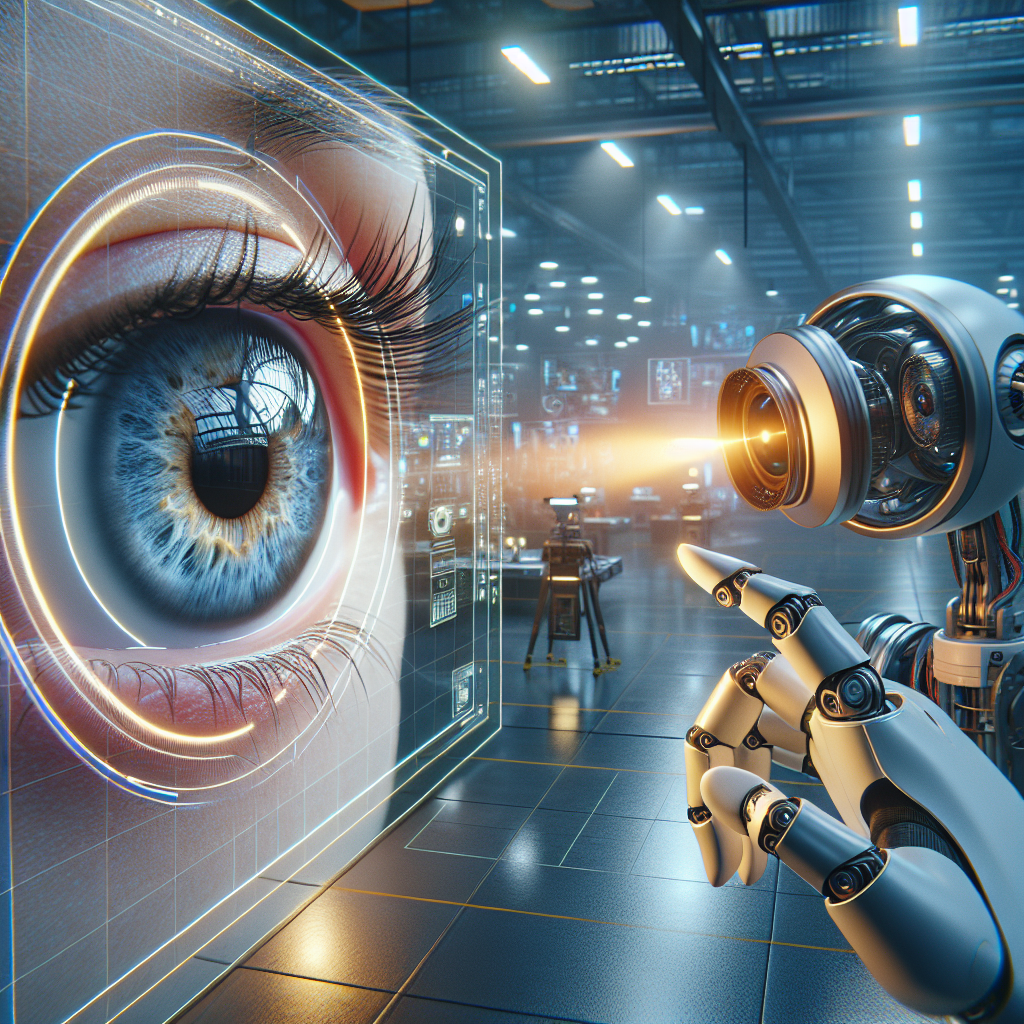
  • Can AI Really Understand Us The Turing Test Revisited

    The Quest for AI Understanding: Revisiting the Turing Test

    The question of whether AI can truly understand us has sparked intense debate among experts and enthusiasts alike. As we continue to integrate artificial intelligence into our daily lives, the notion of AI understanding becomes increasingly crucial. Can machines really comprehend human emotions, nuances, and complexities? The Turing Test, proposed by Alan Turing in 1950, has long been the benchmark for measuring a machine’s ability to exhibit intelligent behavior equivalent to, or indistinguishable from, that of a human.

    Understanding the Turing Test

    The Turing Test is a simple yet profound concept: a human evaluator engages in natural language conversations with both a human and a machine, without knowing which is which. If the evaluator cannot reliably distinguish the human from the machine, the machine is said to have “passed” the test. While the Turing Test has undergone numerous criticisms and revisions, it remains a foundational milestone in the pursuit of AI understanding.

    Limitations and Criticisms

    Despite its significance, the Turing Test has faced several criticisms. Some argue that it focuses too much on mimicry rather than true understanding. For instance, a machine might convincingly mimic human-like responses without genuinely comprehending the context or emotions behind them. Others point out that the test is too narrow, as it primarily assesses a machine’s language processing capabilities.

    Advancements in AI Understanding

    Recent breakthroughs in natural language processing (NLP) and machine learning have significantly enhanced AI’s capacity for understanding. Modern AI systems can analyze vast amounts of data, learn from it, and make predictions or decisions based on that information. Moreover, the development of more sophisticated NLP models has enabled machines to better grasp the nuances of human language, including idioms, colloquialisms, and emotional undertones.

    – Key advancements in AI understanding include:
    – Deep learning techniques that allow for more accurate pattern recognition
    – Increased use of multimodal learning, incorporating text, images, and audio
    – Development of more transparent and explainable AI models

    The Role of Context in AI Understanding

    For AI to truly understand us, it must be able to grasp the context in which we communicate. This involves not just processing language, but also understanding the situation, environment, and emotional state of the individual. Researchers are working to develop AI systems that can effectively integrate contextual information, enabling more empathetic and effective interactions.

    Emotional Intelligence in AI

    One crucial aspect of AI understanding is emotional intelligence. As AI systems become more pervasive in our lives, their ability to recognize and respond to human emotions will become increasingly important. By incorporating emotional intelligence, AI can provide more supportive and personalized interactions, revolutionizing fields such as customer service and mental health support. According to a report by Gartner, “by 2025, 80% of customer service and support organizations will be applying generative AI to improve customer experience.”

    Beyond the Turing Test: Future Directions

    As we continue to push the boundaries of AI understanding, it’s clear that the Turing Test is just one milestone in a much larger journey. Future research will likely focus on developing more comprehensive and nuanced assessments of AI’s capabilities. This may involve evaluating AI’s ability to understand and respond to complex emotional cues, or its capacity for empathy and compassion.

    As we move forward, it’s essential to consider the implications of AI understanding for our society and our relationships with technology. If you’re interested in exploring the latest developments in AI and its applications, visit khmuhtadin.com for more insights and expert analysis.

    Unlocking the Potential of AI Understanding

    Ultimately, the pursuit of AI understanding is a multifaceted challenge that requires continued innovation and collaboration. By pushing the boundaries of what AI can achieve, we can unlock new possibilities for human-machine interaction and create more intuitive, empathetic, and effective technologies. As we strive to create AI systems that can truly understand us, we may uncover new opportunities for growth, improvement, and connection.
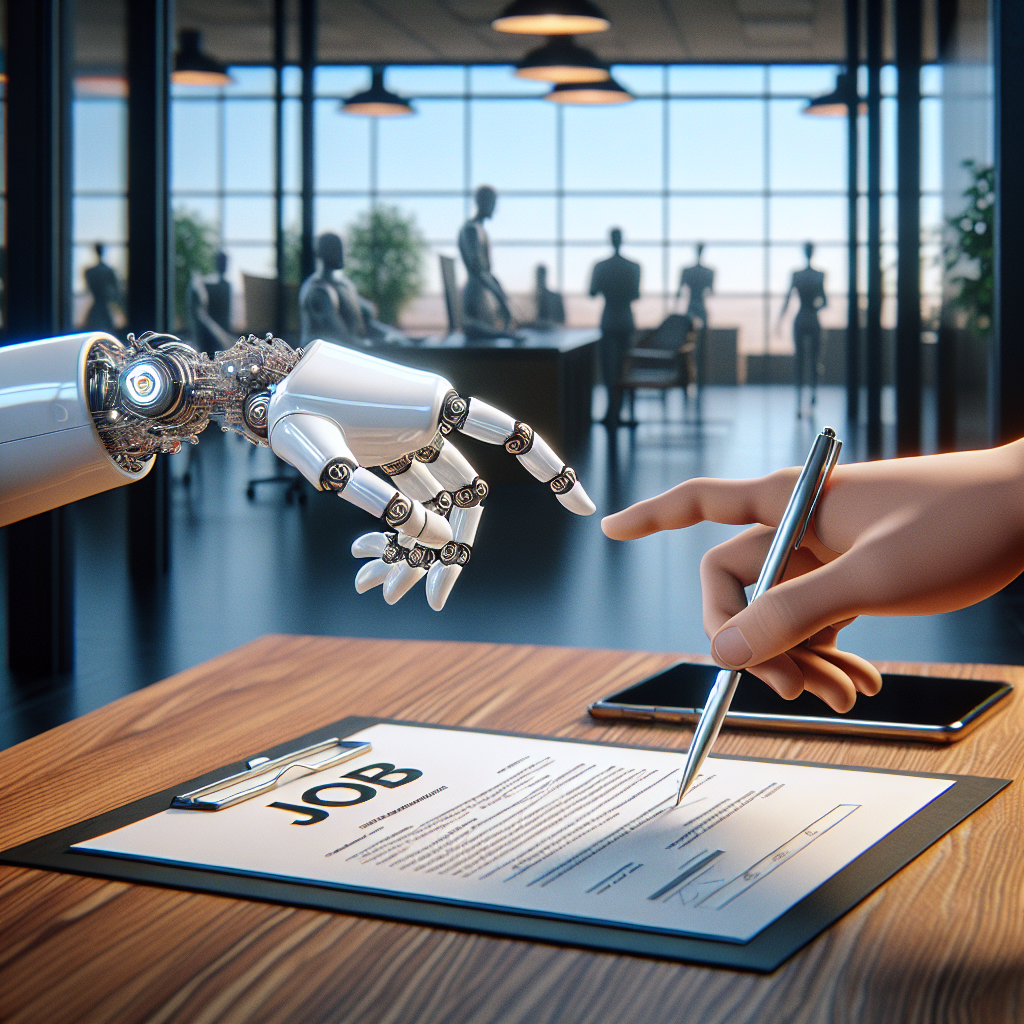
  • Chatbots Aren’t Just for Customer Service Anymore

    Meta description: Discover how chatbots are transforming industries beyond customer service. Learn about the chatbot evolution and how AI-powered bots are driving innovation.

    Chatbots Aren’t Just for Customer Service Anymore: Understanding the Chatbot Evolution

    Imagine a world where AI anticipates your needs before you even voice them. That world is closer than you think, thanks to the chatbot evolution. Once relegated to basic customer service roles, chatbots have evolved into sophisticated tools that are reshaping industries far beyond answering frequently asked questions. This article explores the exciting ways chatbots are now being used, highlighting their expanding roles and the bright future ahead.

    The Chatbot Evolution: A Journey Beyond Customer Service

    The initial chatbot implementations were quite rudimentary, often frustrating users with their limited capabilities. However, advancements in AI, particularly natural language processing (NLP) and machine learning (ML), have fueled a dramatic chatbot evolution. Today’s chatbots are intelligent, adaptive, and capable of handling complex tasks, making them invaluable assets across various sectors.

    From Simple Scripts to Smart Solutions

    Early chatbots relied on pre-programmed scripts and keyword recognition. If a user’s query deviated from the script, the bot would falter. Modern chatbots, however, leverage NLP to understand the user’s intent and context, allowing them to provide more relevant and personalized responses. This shift from rigid scripts to intelligent, context-aware interactions marks a key milestone in the chatbot evolution.

    * **Improved Accuracy:** NLP enables chatbots to accurately interpret user requests, reducing errors and improving overall user satisfaction.
    * **Contextual Understanding:** Modern chatbots can maintain context throughout a conversation, making interactions more natural and efficient.
    * **Personalized Experiences:** By leveraging user data, chatbots can tailor responses and recommendations, creating personalized experiences.

    Chatbots in Healthcare: Improving Patient Care and Efficiency

    Healthcare is undergoing a significant transformation, and chatbots are at the forefront, playing a crucial role in improving patient care and streamlining administrative processes.

    Appointment Scheduling and Reminders

    Chatbots are automating the tedious task of appointment scheduling and sending reminders to patients. This not only saves valuable time for healthcare staff but also reduces no-show rates.

    * Patients can easily book appointments through a chatbot, eliminating the need to call the clinic.
    * Automated reminders ensure patients don’t forget their appointments, improving overall efficiency.

    Symptom Checking and Triage

    AI-powered chatbots can assess patient symptoms and provide initial triage, guiding patients to the most appropriate care pathway. This is particularly helpful in emergency situations or when patients are unsure of where to seek treatment [https://www.cdc.gov/].

    * Chatbots can ask targeted questions to gather information about a patient’s symptoms.
    * Based on the information provided, chatbots can recommend whether the patient should seek immediate medical attention, schedule an appointment with a doctor, or manage their symptoms at home.

    Chatbots in E-commerce: Enhancing the Customer Journey

    E-commerce businesses are leveraging chatbots to enhance the customer journey, providing personalized shopping experiences and driving sales.

    Personalized Product Recommendations

    By analyzing customer data and purchase history, chatbots can offer personalized product recommendations, guiding customers toward products they are likely to be interested in.

    * Chatbots can ask customers about their preferences and needs, providing tailored recommendations based on their responses.
    * By showcasing relevant products, chatbots can increase conversion rates and drive sales.

    Order Tracking and Updates

    Chatbots can provide customers with real-time updates on their order status, eliminating the need for customers to contact customer service for routine inquiries.

    * Customers can easily track their orders through a chatbot, receiving updates on shipping and delivery.
    * Proactive notifications keep customers informed every step of the way, enhancing the overall shopping experience.

    The Role of Chatbots in Education: Supporting Students and Educators

    Education is another sector where chatbots are making a significant impact, providing personalized learning experiences and supporting both students and educators. The chatbot evolution in education is creating new opportunities for engagement and knowledge delivery.

    Providing Instant Answers to Student Questions

    Chatbots can provide students with instant answers to frequently asked questions, freeing up educators to focus on more complex tasks.

    * Students can access information quickly and easily, improving their learning experience.
    * Chatbots can provide support 24/7, catering to students who study at different times.

    Personalized Learning Paths

    By analyzing student performance and learning styles, chatbots can create personalized learning paths, ensuring that each student receives the support they need to succeed.

    * Chatbots can identify areas where students are struggling and provide targeted interventions.
    * By adapting to each student’s individual needs, chatbots can help them reach their full potential.

    Chatbot-Driven Automation: Improving Efficiency and Productivity

    Beyond specific industries, chatbots are driving automation across various business functions, improving efficiency and productivity. One often-overlooked aspect of the chatbot evolution is its impact on internal operations.

    Automating Internal Communications

    Chatbots can automate internal communications, streamlining processes such as HR inquiries, IT support, and employee onboarding.

    * Employees can quickly access information and support, improving their productivity.
    * Automating routine tasks frees up HR and IT staff to focus on more strategic initiatives.

    Data Collection and Analysis

    Chatbots can collect valuable data on customer behavior, preferences, and pain points, providing businesses with insights that can inform decision-making. The chatbot evolution offers unprecedented opportunities for data-driven insights.

    * Chatbots can track customer interactions and identify patterns that can be used to improve products and services.
    * By analyzing chatbot data, businesses can gain a deeper understanding of their customers and their needs.

    The Future of Chatbots: What’s Next in the Chatbot Evolution?

    The future of chatbots is bright, with ongoing advancements in AI and NLP paving the way for even more sophisticated and versatile applications. We can expect the chatbot evolution to continue at an accelerating pace.

    Enhanced Personalization and Empathy

    Future chatbots will be able to understand and respond to human emotions with greater accuracy, creating more empathetic and engaging interactions. This is a key area of development within the chatbot evolution.

    * Chatbots will be able to detect subtle cues in human language and tone, tailoring their responses accordingly.
    * By creating more empathetic interactions, chatbots will be able to build stronger relationships with users.

    Seamless Integration with Other Technologies

    Chatbots will become increasingly integrated with other technologies, such as IoT devices and augmented reality, creating seamless and immersive experiences. This integration is another crucial aspect of the chatbot evolution.

    * Chatbots will be able to control IoT devices, such as lighting and temperature, based on user preferences.
    * By integrating with augmented reality, chatbots can provide users with interactive and engaging experiences.

    The chatbot evolution has brought us far beyond simple customer service inquiries. These AI-powered assistants are now integral to healthcare, e-commerce, education, and business operations, driving innovation, improving efficiency, and enhancing user experiences. As AI continues to advance, chatbots will become even more sophisticated, personalized, and integrated into our daily lives. Embrace the chatbot evolution to unlock new possibilities for your business and improve the way you interact with the world.

    Ready to leverage the power of AI-driven chatbots? Contact us at khmuhtadin.com to explore how chatbots can transform your business.

  • Will Your Job Survive the AI Revolution of 2025?

    Will Your Job Survive the AI Revolution of 2025?

    How AI Jobs Are Reshaping the Workforce Landscape

    Artificial Intelligence is no longer a futuristic concept—it’s actively transforming industries and job markets worldwide. As 2025 approaches, conversations about “AI jobs” are heating up. Many professionals wonder if their roles will evolve, be replaced, or offer new opportunities. Understanding these dynamics is crucial for anyone aiming to thrive amid the AI revolution.

    AI is automating repetitive and data-heavy tasks, but it is also creating entirely new career paths. For example, roles in AI ethics, machine learning engineering, and data annotation have surged. The key to surviving—and even flourishing—in this new world lies in adapting to how AI integrates with human labor.

    The Types of Jobs Most Impacted by AI

    AI’s influence varies widely across different sectors. Some jobs face significant transformation or automation risk, while others are less affected or even benefit.

    Jobs at High Risk of Automation

    – Data entry clerks
    – Routine manufacturing jobs
    – Telemarketers and customer support roles
    – Basic accounting and bookkeeping

    These positions often involve repetitive, rule-based tasks that AI can perform faster and with fewer errors. For example, AI-driven software can complete data entry or basic customer queries without fatigue or downtime.

    Roles Resistant to Automation

    – Healthcare professionals (nurses, doctors)
    – Creative positions (writers, designers)
    – Skilled trades (electricians, plumbers)
    – Educators and social workers

    While AI tools assist these professions, the core human skills such as empathy, creativity, and complex problem-solving remain difficult for AI to replicate fully. Many of these jobs will evolve but are unlikely to disappear in the near term.

    Emerging Opportunities in AI Jobs

    The rise of AI presents novel jobs that didn’t exist a decade ago, opening new avenues for career growth.

    AI Development and Implementation Roles

    – Machine learning engineers
    – AI research scientists
    – Data scientists and analysts
    – Robotics specialists

    Companies are investing heavily in research and development to push AI capabilities forward. Skilled professionals who can build, test, and refine AI models are in high demand.

    AI Ethics and Safety Careers

    – AI ethicists
    – Compliance officers specializing in AI
    – Policy advisors on AI governance

    As AI becomes deeply integrated into society, ethical concerns around privacy, bias, and accountability grow. This has spawned roles focused on ensuring AI systems are safe, fair, and transparent.

    How to Future-Proof Your Career Against AI Disruption

    Preparing for the AI revolution involves more than just acquiring technical skills—it requires a mindset shift towards lifelong learning and adaptability.

    Develop Complementary Skills

    – Critical thinking and complex problem solving
    – Emotional intelligence and interpersonal communication
    – Creativity and innovation

    These “human skills” enhance your ability to work alongside AI and leverage technology effectively.

    Learn AI-Relevant Technical Skills

    – Programming languages like Python
    – Understanding of machine learning frameworks
    – Data literacy and analysis skills

    Even basic familiarity with AI tools can significantly boost job security and open doors to AI job opportunities.

    Engage in Continuous Professional Development

    – Online courses and certifications in AI and data science
    – Workshops and webinars on emerging technologies
    – Networking with professionals in AI-related fields

    Staying updated ensures you remain competitive as AI technologies evolve.

    The Role of Employers and Governments in Navigating AI Jobs

    AI impacts are not solely individual challenges; organizational and policy-level solutions are vital.

    Employer Strategies

    – Reskilling and upskilling programs for employees
    – Investing in AI tools to augment rather than replace human jobs
    – Fostering a culture of innovation and collaboration

    Forward-thinking companies view AI as a partner to boost productivity and employee satisfaction.

    Government Initiatives

    – Funding workforce training and transition programs
    – Creating regulatory frameworks that balance innovation with ethical safeguards
    – Encouraging public-private partnerships to support AI job growth

    These efforts aim to ensure that the benefits of AI are broadly distributed, preventing widespread unemployment.

    Real-World Examples of AI Transforming Jobs

    Several industries already illustrate how AI jobs are evolving the labor market.

    Healthcare

    AI-powered diagnostics tools assist doctors in detecting diseases early. Telemedicine platforms utilize AI chatbots for preliminary patient interaction, freeing medical staff to focus on complex cases. At the same time, new roles arise for professionals managing and improving these AI systems.

    Finance

    Automated trading and fraud detection algorithms have reshaped banking. Financial advisors are now working alongside AI tools to provide personalized investment advice, blending technology with human judgment.

    Manufacturing

    Robotics and AI-driven quality control have increased efficiency. Workers are transitioning into supervisory and maintenance roles for these intelligent systems, requiring new technical competencies.

    What the Data Tells Us About AI Jobs Outlook in 2025

    According to reports from McKinsey and the World Economic Forum:

    – Up to 30% of current tasks may be automated by 2030
    – 15 to 20% of the global workforce could need to switch occupational categories by 2030
    – AI job growth is projected in sectors like IT, healthcare, and professional services

    This data highlights the importance of adaptability and proactive learning in the evolving employment landscape.

    Adapting Your Career Strategy for the AI Future

    – Assess your current skills and identify gaps related to AI demands
    – Explore AI jobs that align with your interests and strengths
    – Pursue relevant education and certification programs
    – Network with AI professionals and engage in industry events
    – Stay informed on AI trends and emerging technologies

    By embracing change and investing in skill development, you can position yourself for success amid the AI revolution.

    Will your job survive the AI revolution of 2025? The answer depends on your readiness to evolve alongside technology. AI jobs offer exciting new opportunities, but also call for continuous learning and flexible career planning. Start preparing today to harness the power of AI, protect your employability, and thrive in a future where humans and intelligent machines collaborate.

    For personalized advice and resources on navigating AI-driven career changes, visit khmuhtadin.com and take your next step toward a future-proof career.

  • Can AI See Like Humans Understanding AI Vision in 2025

    Can AI See Like Humans Understanding AI Vision in 2025

    The Evolution of AI Vision: From Pixels to Perception

    In recent years, AI vision has advanced by leaps and bounds, reshaping how machines interpret the visual world. Traditional computer vision focused on pixel-level analysis, such as edge detection and pattern recognition. However, by 2025, AI vision systems have evolved to grasp context, depth, and even abstract concepts, drawing closer to human-like perception. This leap stems from breakthroughs in neural networks, deep learning architectures, and vast datasets, enabling AI to understand images and videos with unprecedented accuracy.

    Unlike early algorithms limited to specific tasks, modern AI vision can adapt to dynamic environments. It recognizes objects in various lighting, angles, and partial occlusions, making it more robust and versatile. This evolution brings exciting applications in fields ranging from autonomous driving to healthcare diagnostics, illustrating the transformative potential of AI vision technology.

    How AI Vision Differs from Human Visual Perception

    Fundamental Differences in Processing

    AI vision and human sight approach image interpretation through fundamentally different mechanisms:

    – Humans rely on biological processes combining the eyes and brain, using prior experience and cognitive functions.
    – AI vision systems depend on mathematical models and data-driven learning without consciousness or intuition.
    – While humans excel at understanding subtle context, emotion, and intentions, AI focuses on pattern matching and statistical inference.

    Limitations of AI Compared to Human Vision

    Despite remarkable progress, AI vision still lacks:

    – The nuanced understanding of complex scenes, such as reading human emotions or humor.
    – The ability to fill in gaps with imagination when information is incomplete.
    – Robustness in novel scenarios not present in training data.

    These gaps highlight that AI vision, while powerful, does not “see” exactly as humans do but rather simulates aspects of the visual experience for practical tasks.

    Key Technologies Driving AI Vision in 2025

    Deep Learning and Convolutional Neural Networks (CNNs)

    Convolutional Neural Networks remain the backbone of AI vision. These networks mimic some aspects of the visual cortex’s processing, making them adept at recognizing patterns across pixels. By 2025, CNNs have become deeper, more efficient, and often combined with other architectures to enhance performance.

    Transformers and Vision Transformers (ViTs)

    Originally designed for natural language processing, transformer models have revolutionized AI vision as well. Vision Transformers process entire images holistically rather than in patches, enabling better context understanding. This innovation has raised benchmarks in tasks like image classification, object detection, and segmentation.

    Multimodal AI Systems

    AI vision now works alongside natural language understanding and audio processing to build richer models of the environment. These multimodal AI systems can interpret a scene visually and provide descriptive captions or answer questions about it, driving more human-like interactions.

    Applications Showcasing the Power of AI Vision

    Autonomous Vehicles and Robotics

    AI vision enables self-driving cars to perceive their surroundings, detect pedestrians, traffic signs, and hazards, supporting safe navigation. Similarly, robots equipped with AI vision perform complex tasks like warehouse sorting, precision agriculture, and even surgery support. The continuous improvement in visual perception has pushed these industries closer to widespread adoption.

    Healthcare Imaging and Diagnostics

    Medical imaging benefits immensely from AI vision. Algorithms assist radiologists by identifying anomalies, tumors, and other conditions with accuracy often surpassing humans. This not only accelerates diagnoses but also reduces human error, making healthcare more reliable and accessible globally.

    Retail, Security, and Smart Cities

    AI vision powers facial recognition for security, optimizes inventory by scanning shelves in retail environments, and monitors urban areas for traffic and safety issues. These applications enhance convenience and safety in everyday life.

    Challenges and Ethical Considerations in AI Vision

    Bias and Fairness in Visual Recognition

    AI vision learning heavily depends on data quality. Biased datasets can lead to disproportionate errors affecting certain groups, raising ethical concerns. Ensuring fairness requires diverse training data and continuous monitoring to reduce unintended discrimination.

    Privacy and Surveillance Concerns

    The proliferation of AI vision in public spaces brings privacy debates to the forefront. Facial recognition and constant monitoring systems can infringe on individual rights if unchecked. Transparent policies and governance frameworks are essential for responsible use.

    Technical Obstacles

    Despite impressive gains, AI vision struggles with:

    – Changing environments or rare scenarios unseen during training.
    – Interpreting abstract or subjective content like art or complex social interactions.
    – Balancing speed and accuracy for real-time applications.

    Addressing these challenges remains a focal point for ongoing research.

    The Future Outlook: Can AI See Like Humans by 2025 and Beyond?

    AI vision in 2025 represents a profound step toward machines understanding the visual world, yet fundamental distinctions persist. While it excels at analysis, classification, and detection within predefined frameworks, true human-like visual perception involving consciousness, intuition, and emotion remains out of reach.

    The coming years will likely see AI vision systems integrating deeper contextual awareness and reasoning capabilities, narrowing the gap. Collaborative human-AI vision solutions combining strengths will create powerful tools across industries.

    Understanding these nuances helps set realistic expectations and harness AI vision’s transformative potential responsibly.

    Maximizing the Benefits of AI Vision Today

    To leverage AI vision effectively:

    – Define clear use cases aligned with AI’s strengths.
    – Maintain high-quality, diverse training data to minimize bias.
    – Combine AI vision outputs with human oversight.
    – Stay updated with the latest advancements to implement cutting-edge solutions.

    By embracing these strategies, organizations and developers can unlock AI vision’s full potential safely and innovatively.

    Explore extensive resources and advancements in AI vision at leading AI research platforms like the [Allen Institute for AI](https://allenai.org/).

    For personalized guidance and implementation support in AI vision technologies, connect at khmuhtadin.com and step confidently into the future of visual intelligence.

  • Will AI Take Your Job How to Stay Ahead

    Will AI Take Your Job How to Stay Ahead

    Understanding the Impact of AI on the Job Market

    Artificial intelligence is reshaping industries at a rapid pace, leading many to wonder: will AI take your job? The rise of AI jobs is undeniable, with automation and intelligent systems transforming how tasks are performed. While some roles face disruption, others are evolving or emerging altogether. Recognizing the nature of this shift is critical to maintaining relevance in an AI-driven economy.

    AI excels at automating repetitive, data-intensive tasks, but it also boosts efficiency in creative and strategic roles. This duality means that understanding where AI fits in your industry helps you stay ahead. For example, AI tools can analyze vast datasets faster than humans, but they often require human oversight for interpretation and decision-making.

    Industries Most Affected by AI Automation

    – Manufacturing and assembly lines employing robotics
    – Customer service with AI chatbots handling simple inquiries
    – Data entry and administrative tasks streamlined through automation
    – Transportation with the gradual introduction of self-driving vehicles

    Each of these sectors sees a change in job roles, demanding workers adapt to new technologies or specialize in tasks beyond AI’s capabilities.

    Jobs That Are Less Susceptible to AI Displacement

    – Creative professions like writers, artists, and designers
    – Healthcare roles requiring empathy and complex judgment
    – Skilled trades that need manual dexterity and adaptability
    – Management and leadership positions focusing on interpersonal skills

    In essence, jobs involving complex problem-solving, emotional intelligence, and creativity tend to be more secure from automation.

    Skills to Cultivate for AI Resilience

    To thrive alongside AI, upskilling is essential. Developing capabilities that complement AI, rather than compete with it, places you ahead in the evolving job market.

    Technical Proficiency

    Understanding AI basics, such as machine learning or data analysis, empowers workers to harness AI tools effectively. This knowledge is increasingly valuable in many AI jobs across sectors.

    – Learn programming languages like Python, popular in AI development
    – Familiarize yourself with data visualization tools to interpret AI outputs
    – Gain experience with AI-driven software relevant to your field

    Soft Skills That AI Can’t Replicate

    Emphasizing human-centric abilities is an effective strategy.

    – Critical thinking and complex problem-solving
    – Emotional intelligence and interpersonal communication
    – Creativity and innovation in approach and design
    – Adaptability to navigate frequent changes

    By combining these soft skills with technical knowledge, individuals boost their value in AI-integrated workplaces.

    Exploring New Opportunities in AI Jobs

    The AI revolution isn’t only about job losses; it also creates new AI jobs and career pathways.

    Roles in AI Development and Maintenance

    – AI researchers and developers designing algorithms
    – Data scientists interpreting complex datasets
    – AI trainers teaching models to improve accuracy
    – Ethics officers ensuring responsible AI use

    These positions demand specialized education but offer robust career prospects.

    AI-Augmented Roles Across Industries

    Many traditional jobs now involve collaboration with AI systems, increasing productivity.

    – Healthcare professionals using AI diagnostics for better treatment plans
    – Marketers leveraging AI for targeted campaigns
    – Financial analysts applying AI to predict market trends

    The opportunity lies in embracing AI as a tool rather than viewing it as a threat.

    Adapting Your Career Strategy Amid AI Advances

    Awareness and flexibility are critical in navigating the AI-driven shift.

    Continuous Learning and Professional Growth

    – Enroll in online courses related to AI and data literacy
    – Attend workshops and webinars to stay updated on AI trends
    – Pursue certifications that enhance your qualifications in tech skills

    Networking in the AI Community

    Engage with professionals working in AI to discover emerging job opportunities and best practices.

    – Join AI-focused social media groups or forums
    – Participate in conferences or local meetups
    – Collaborate on projects involving AI technologies

    Staying connected helps you anticipate changes and position yourself advantageously.

    Leveraging AI to Enhance Your Work Rather Than Replace It

    Rather than fearing job loss, many professionals can use AI to augment their capabilities.

    Improving Efficiency and Innovation

    AI tools can automate mundane tasks, freeing time for strategic thinking.

    – Use AI-powered writing assistants to draft reports faster
    – Implement machine learning algorithms for data predictions
    – Employ virtual assistants for scheduling and communication

    Upskilling to Manage AI Systems

    Skills to monitor and improve AI outcomes are in high demand.

    – Learn how to interpret AI-generated insights critically
    – Develop project management skills around AI implementations
    – Understand ethical considerations and biases in AI outputs

    This approach transforms AI into a collaborator rather than a competitor.

    Preparing for the Future: Your Action Plan

    Ensuring your career resilience requires proactive steps in response to AI’s growth.

    – Conduct a skills inventory to identify gaps relevant to AI jobs
    – Set realistic learning goals focused on AI capabilities in your field
    – Seek mentorship from experts experienced in AI adoption
    – Remain open to flexible job roles and emerging industries

    By embracing change rather than resisting it, you position yourself for long-term success.

    AI’s integration into the workforce is inevitable, but it doesn’t have to spell the end of your career. Instead, it offers a chance to evolve, learn, and thrive in new AI jobs that capitalize on uniquely human strengths and technological advancements.

    Discover tailored resources and connect with expert guidance at khmuhtadin.com to embark on your journey toward an AI-resilient career today.

  • Is Your Job AI-Proof How to Survive the Automation Wave

    Is Your Job AI-Proof How to Survive the Automation Wave

    Facing the AI Revolution: Why Being AI Proof Matters

    Artificial intelligence is no longer a futuristic concept—it is reshaping the workplace right now. With rapid advances in machine learning, robotics, and automation, countless jobs are at risk of transformation or elimination. The question on everyone’s mind is whether their own profession is “AI proof.” Being AI proof means possessing skills and roles that are less likely to be replaced or diminished by AI technologies. Understanding how to become AI proof is essential for career longevity and success in the coming decades.

    The good news is that not all jobs will vanish; many will evolve, requiring new approaches and continual learning. By identifying which aspects of your work can be automated—and which cannot—you position yourself to adapt effectively. This guide explores practical strategies, key job traits resistant to AI, and actionable tips on surviving and thriving amidst the automation wave.

    What Does It Mean to Be AI Proof?

    To be AI proof means having roles or skills in your profession that are difficult for AI and automation to replicate or outperform. Generally, these traits include creativity, emotional intelligence, complex problem solving, and interpersonal communication. AI excels in repetitive, predictable tasks but struggles with ambiguity and human-centric functions.

    Characteristics of AI Proof Jobs

    – Require high levels of creativity or innovation
    – Depend on emotional and social intelligence
    – Involve strategic decision-making and critical thinking
    – Require dexterity and complex physical coordination beyond robotics
    – Depend on ethical judgment and nuanced understanding of human values

    Examples of AI proof roles include psychologists, strategic leaders, creative artists, and skilled tradespeople who perform varied tasks requiring subtle judgment and manual finesse. Conversely, jobs focused on routine data input, basic customer service scripts, and predictable assembly line work are more vulnerable.

    Why Understanding AI Proofing Is Essential

    AI technologies are projected to automate up to 30% of current work activities globally by 2030, according to McKinsey Global Institute. This doesn’t mean all jobs will disappear but many job descriptions will change dramatically. Being AI proof helps workers:

    – Anticipate industry changes rather than be blindsided
    – Develop skills less likely to be automated
    – Create career plans that incorporate AI collaboration
    – Increase job security and opportunities for advancement

    Top Strategies to Make Your Career AI Proof

    To survive in a rapidly automated workplace, it’s essential to actively enhance your AI proof attributes. The following strategies provide clear, actionable steps.

    1. Embrace Lifelong Learning and Reskilling

    Technology evolves fast, and so should your skills. Regularly update your knowledge through certifications, workshops, or online courses related to AI and your domain. This not only makes you more valuable but prepares you to work alongside AI tools effectively.

    – Use platforms like Coursera, Udacity, or LinkedIn Learning for AI and tech skills
    – Explore coding, data analysis, or AI-related concepts even if not in IT
    – Learn soft skills such as negotiation, empathy, and leadership

    2. Develop Creative and Critical Thinking

    AI can analyze data but cannot replicate human creativity or judgment. Cultivate abilities that enable you to generate new ideas, approach problems from different angles, and make decisions under uncertainty.

    – Engage in brainstorming sessions outside your usual work
    – Practice scenario planning and strategic thinking exercises
    – Take on projects requiring innovation or cross-disciplinary collaboration

    3. Strengthen Emotional Intelligence and Interpersonal Skills

    Jobs involving empathy, persuasion, and team management are harder for AI to replace. Improving your communication and emotional regulation helps you become indispensable, especially in leadership or client-facing roles.

    – Develop active listening skills and conflict resolution techniques
    – Volunteer for mentoring or coaching roles within your company
    – Enhance cultural competence for diverse workplaces

    AI Proof Industries and Job Roles to Watch

    While automation impacts all sectors, some industries and roles show greater resilience. Understanding these can guide your career choices and investment in skill-building.

    Healthcare and Human Services

    Caregiving, therapy, nursing, and counseling require personalized human interaction and ethical judgment, which AI cannot replicate. AI supports diagnoses and data management but does not replace compassion and trust built between professionals and patients.

    Creative Arts and Strategic Leadership

    Creative writing, design, marketing strategy, and executive leadership rely heavily on intuitive insights and artistic expression, making them largely AI proof. These roles use AI as a tool rather than a substitute.

    Skilled Trades and Craft Jobs

    Electricians, plumbers, carpenters, and technicians perform variable tasks with physical nuance, making full automation difficult. Skilled tradespeople also adapt quickly to technological changes through hands-on problem solving.

    Common Misconceptions About AI Proof Jobs

    It’s important to debunk myths that either exaggerate or underplay AI’s reach across professions.

    Myth 1: Only Tech Jobs Are AI Proof

    While IT and AI specialists have robust job prospects, non-tech roles emphasizing human interaction, creativity, and judgment can also be AI proof. The key is unique human skills, not just technical knowledge.

    Myth 2: Routine Jobs Are Safe if People Are Needed

    Many routine tasks involving humans, such as repetitive administrative roles, are among the most vulnerable to automation. AI proof jobs invert this: tasks requiring flexibility and human judgment fare better.

    How Employers and Workers Can Collaborate for an AI-Proof Future

    Both organizations and employees have roles in preparing the workforce for automation.

    For Employers

    – Invest in training programs focused on human-AI collaboration
    – Redesign jobs to emphasize uniquely human skills
    – Use AI tools to augment rather than replace workers

    For Workers

    – Proactively seek skills that complement AI capabilities
    – Communicate your value in terms of problem-solving and creativity
    – Advocate for opportunities to upskill within your organization

    Working together ensures jobs not only survive but evolve to maximize human potential alongside AI.

    Preparing Today for Tomorrow’s AI Landscape

    The concept of being AI proof is not about resisting technology but strategically adapting to it. Future-proof careers will blend human judgment, empathy, creativity, and technical literacy. By understanding AI proof characteristics and applying targeted strategies, you build resilience against automation disruption.

    Focus on continually learning, developing uniquely human skills, and staying informed about changes in your industry. The most successful professionals will be those who partner intelligently with AI, enhancing their productivity and creativity.

    Make your career AI proof to not just survive but thrive in the automation wave ahead.

    Reach out for personalized career coaching or skills development at khmuhtadin.com and start your AI-proof journey today.

  • Will AI Take Your Job Understanding the Future of Work in 2025

    Will AI Take Your Job Understanding the Future of Work in 2025

    How AI is Shaping the Landscape of Work by 2025

    Artificial Intelligence (AI) has evolved from a futuristic concept to a practical force driving change across industries. As we approach 2025, the question on many minds is clear: will AI take your job? The reality is complex. AI influences various sectors differently, creating a shift in job roles rather than outright replacement. Understanding how AI integrates into the workplace is key to navigating the future. This article explores AI jobs, how AI affects employment, and what workers can expect in the coming years.

    The Evolution of AI Jobs: What Does the Future Hold?

    As AI technology advances, the nature of jobs changes. Some positions are automated, while others are enhanced or newly created.

    Automation vs. Augmentation

    AI performs repetitive, data-heavy tasks efficiently, leading to automation in areas like manufacturing and data entry. However, many AI applications augment human work—for example, AI-powered tools help doctors diagnose diseases faster or support customer service reps with real-time information.

    Emerging AI Job Categories

    New roles are emerging in AI development, implementation, and oversight:

    – AI ethicists who ensure responsible AI use
    – Data scientists managing large datasets for AI training
    – Machine learning engineers building adaptable algorithms
    – AI trainers fine-tuning systems with human input

    The rise of AI also fuels jobs indirectly, such as AI hardware manufacturing and maintenance.

    Which Jobs Are Most Vulnerable to AI Replacement?

    Assessing which roles face the most risk helps workers plan for change.

    Repetitive and Routine Tasks

    Jobs involving predictable, rule-based processes are most susceptible, such as:

    – Assembly line work
    – Basic data processing
    – Routine customer support queries
    – Inventory management

    AI systems can perform these tasks faster and with fewer errors.

    Moderate-Risk Occupations

    Certain jobs blend routine and creative aspects and may see partial transformation:

    – Accountants using AI for faster reconciliation
    – Paralegals with AI-assisted legal research
    – Journalists leveraging AI for data-driven stories

    Workers in these fields will likely transition to higher-level problem-solving or managing AI tools.

    How Workers Can Adapt to the AI-Driven Job Market

    Proactively embracing change is the best strategy to remain relevant.

    Skills to Develop for AI Jobs

    – Digital literacy: Comfortable use of AI tools and platforms
    – Critical thinking: Evaluating AI outputs and decision-making
    – Emotional intelligence: Managing interpersonal relationships, a task AI struggles with
    – Creativity and innovation: Generating ideas beyond algorithmic limits
    – Continuous learning: Staying updated with evolving AI trends

    Exploring New Career Paths

    Consider industries and roles growing with AI, such as:

    – AI product management
    – Cybersecurity to protect AI systems
    – Human-AI interaction design
    – AI policy and governance

    Upskilling programs, MOOCs, and certifications can support transitions into these areas.

    The Positive Impact of AI on Job Creation

    Contrary to fears, AI also generates opportunities.

    Job Growth in AI-Enhanced Sectors

    Technology companies, healthcare, and finance benefit significantly from AI enhancements, creating jobs like:

    – Data analysts interpreting AI results
    – AI system maintenance technicians
    – Personalized education content creators using AI tools

    Case Study: AI in Healthcare

    AI’s integration in healthcare has led to better patient outcomes and created new roles, such as AI specialists working alongside clinicians. AI-assisted diagnostics and robotic surgeries demand skilled personnel, widening the job market.

    Preparing for an AI-Integrated Workplace Culture

    Beyond technical skills, the workplace environment is evolving.

    Collaboration Between Humans and AI

    Successful workplaces in 2025 will emphasize cooperation between people and machines to enhance productivity. Workers must learn to trust AI while maintaining oversight.

    Ethics and Transparency

    As AI decisions impact jobs and society, organizations increasingly focus on ethical AI use. Understanding these frameworks will be essential for employees in AI jobs and their managers.

    Looking Ahead: What to Expect in 2025 and Beyond

    The future of work is a blend of challenges and opportunities.

    – AI will automate routine tasks but create space for human creativity and insight.
    – Workers will benefit from continuous reskilling and embracing AI collaboration.
    – Policy and education systems will evolve to support a workforce skilled in AI integration.

    For those anxious about AI jobs, becoming adaptable and proactive is the key to thriving in this dynamic environment.

    Explore more insights on AI’s impact on work and future skills at khmuhtadin.com.

    Embrace AI, upgrade your expertise, and position yourself for success in 2025 and beyond. The transformation is underway—make AI work for you.

  • Will AI Take Your Job? The Truth in 2024

    Will AI Take Your Job? The Truth in 2024

    Understanding the Impact of AI Jobs in 2024

    Artificial intelligence has become one of the most transformative forces in today’s workforce. Conversations around AI jobs often center on whether machines will replace humans or create new opportunities. The reality in 2024 is more nuanced: while AI is automating repetitive tasks, it is simultaneously generating new roles and reshaping industries. Understanding this dynamic helps professionals prepare, adapt, and thrive rather than fear displacement.

    In many sectors, AI functions as a tool that amplifies human productivity rather than a wholesale substitute. From healthcare and finance to creative fields and manufacturing, AI augments decision-making, improves efficiency, and unlocks new possibilities. Navigating this changing landscape requires awareness of which jobs are evolving, which are emerging, and what skills will keep you relevant.

    The Current Landscape of AI Jobs and Automation

    AI-driven automation continues to advance rapidly, impacting job roles worldwide. However, the degree and speed of transformation vary significantly across industries and job types.

    Jobs Most Affected by AI

    Certain tasks lend themselves to automation more easily due to their repetitive or data-heavy nature:

    – Data entry and processing roles often see AI tools performing routine work faster and with fewer errors.

    – Customer support jobs are increasingly supported or replaced by AI chatbots.

    – Manufacturing jobs involving repetitive assembly line tasks are frequently automated with AI-powered robotics.

    – Basic analytical tasks in finance and accounting are commonly handled by AI algorithms.

    These shifts create a demand for workers to adapt, especially in roles heavily dependent on manual or repetitive duties.

    Jobs Emerging in the AI Era

    While AI replaces some job functions, it also creates new roles centered around AI development, oversight, and integration:

    – AI specialists, including machine learning engineers and data scientists, are in high demand.

    – AI trainers and data labelers help teach systems through curated datasets.

    – Cybersecurity experts focus on protecting AI systems and networks.

    – AI ethicists and compliance officers ensure responsible and transparent use of technology.

    – Roles focused on human-AI collaboration, such as AI-enhanced creative professionals, are gaining traction.

    These AI jobs require a blend of technical expertise and strategic insight, opening new career pathways.

    How to Future-Proof Your Career Against AI Disruption

    The key to thriving amid AI job changes is adaptability and continuous learning. Here are practical steps to safeguard your career.

    Develop Complementary Skills

    AI excels at automating routine tasks but struggles with complex problem-solving, empathy, creativity, and interpersonal communication. Focusing on these areas creates a uniquely human value proposition:

    – Emotional intelligence and leadership skills.

    – Critical thinking and strategic planning.

    – Creativity in design, storytelling, and innovation.

    – Cross-disciplinary knowledge that integrates AI insights with domain expertise.

    Improving these skills can position you to work alongside AI technologies rather than be replaced by them.

    Embrace Lifelong Learning and Upskilling

    Investing in relevant education and training is crucial:

    – Online courses in AI fundamentals, data science, and digital literacy are widely available.

    – Certifications in AI-related fields boost credibility.

    – Attending conferences, workshops, or webinars keeps you abreast of industry trends.

    – Participate in AI-focused projects within your current job to build hands-on experience.

    The more fluent you become with AI concepts and tools, the better you can leverage AI jobs opportunities.

    AI Jobs Transforming Key Industries in 2024

    Examining specific sectors clarifies where AI advances are creating and eliminating job roles.

    Healthcare

    AI assists in diagnostics, patient monitoring, and personalized medicine. It automates image analysis and predictive health insights but requires human oversight:

    – Radiologists use AI to flag anomalies but perform final interpretations.

    – Healthcare administrators rely on AI to manage scheduling and optimize workflows.

    – Telemedicine platforms powered by AI enhance patient access and personalized recommendations.

    While some clerical jobs are reduced, roles focusing on patient care, AI integration, and data analysis expand.

    Finance

    Financial services integrate AI for automated trading, fraud detection, and customer service:

    – AI jobs in algorithm development, risk analysis, and compliance monitoring are growing.

    – Routine bookkeeping and data reconciliation roles shrink due to automation.

    – Financial advisors increasingly leverage AI insights to provide personalized advice.

    Employees who adapt to interpret AI outputs and guide clients benefit most.

    Challenges and Ethical Considerations in AI Jobs

    The growth of AI jobs also raises important challenges beyond technology.

    Job Displacement Versus Creation

    While AI automates functions, concerns remain about marginalized workers and unequal access to new opportunities. Policymakers and organizations must address:

    – Retraining programs for displaced employees.

    – Incentives to create inclusive AI jobs.

    – Social safety nets during transitions.

    Acknowledging these issues informs responsible AI adoption strategies.

    Ethics and Transparency

    AI decision-making involves biases and accountability questions. AI jobs increasingly require professionals who:

    – Monitor for ethical compliance.

    – Design transparent algorithms.

    – Consider societal impacts of AI deployment.

    This ensures AI benefits do not come at the cost of fairness and trust.

    Preparing for the AI Job Market: Practical Tips

    Taking proactive steps today prepares you for the evolving AI jobs landscape.

    – Stay informed about AI trends in your industry through trusted sources and AI newsletters.

    – Build interdisciplinary skills combining your current expertise with AI literacy.

    – Network with AI professionals via online forums and LinkedIn groups.

    – Experiment with basic AI tools relevant to your job to gain hands-on familiarity.

    – Consider side projects or certifications focused on AI applications.

    By positioning yourself at the AI-human interface, you become indispensable.

    Recommended Resources

    – AI-powered learning platforms such as Coursera, Udacity, and edX.

    – The World Economic Forum’s Future of Jobs report highlighting AI’s workforce impact.

    – Industry-specific AI journals and news sites for updated insights.

    You can explore more at World Economic Forum’s official website: https://www.weforum.org/reports/the-future-of-jobs-report-2023

    Looking Ahead: What AI Jobs Mean for the Future Workforce

    The future of work in 2024 revolves around synergy between humans and AI. Rather than wholesale job takeover, AI jobs offer an opportunity to redefine roles, improve productivity, and unlock new career paths. Embracing AI as a collaborative partner enables innovation and long-term career resilience.

    Organizations and individuals who invest in ethical AI integration, skills development, and adaptable mindsets will shape a future where technology empowers rather than threatens employment.

    As AI continues to evolve, staying curious, agile, and informed is the best strategy for navigating the AI job market successfully.

    Transform your career and harness the power of AI today. Visit khmuhtadin.com to discover tailored guidance and resources that help you embrace AI jobs and future-proof your professional journey.

  • Unleashing Creativity How AI is Reshaping Art and Design

    Unleashing Creativity How AI is Reshaping Art and Design

    AI Art: A New Frontier in Creative Expression

    AI art has emerged as a transformative force, reshaping the boundaries of creativity in art and design. By harnessing the power of artificial intelligence, artists and designers now have access to unprecedented tools that amplify imagination and streamline processes. This evolution is not about replacing human creativity but augmenting it, enabling novel forms and methods that were previously unimaginable. As AI becomes increasingly integrated into creative workflows, it opens new possibilities for both professionals and hobbyists to explore unique expressions and innovate with greater freedom.

    How AI is Revolutionizing Traditional Art Techniques

    Artificial intelligence has injected fresh energy into traditional art forms, merging technology with classical creativity to produce groundbreaking works.

    Generative Algorithms and Creative Exploration

    Generative adversarial networks (GANs), a type of AI, create images, music, and designs through a process that mimics human learning. These systems analyze vast datasets to generate artworks that reflect or reinterpret styles, themes, and forms.

    – Artists use AI to produce original paintings inspired by famous masters or to blend various styles into new hybrid forms.
    – The technology facilitates rapid iteration, allowing creatives to experiment without the constraints of physical materials or time.
    – Example: The artwork “Edmond de Belamy,” created using AI, sold at auction for $432,500, illustrating the market’s growing acceptance of AI-generated art.

    Enhancing Detail and Precision

    AI tools assist artists by refining detail work, such as color correction, texture generation, and composition adjustments, that might otherwise be painstaking efforts.

    – Machine learning models suggest enhancements to improve visual harmony and balance.
    – Adaptive brushes and filters can mimic natural media effects, enhancing digital paintings with authentic tactile qualities.

    Transforming Design Processes with AI Art

    Beyond art as an aesthetic endeavor, AI impacts the design industry by streamlining workflows and inspiring innovation.

    AI-Driven Design Automation and Prototyping

    Designers leverage AI to automate repetitive tasks such as layout adjustments, typography pairing, and color palette generation.

    – AI-powered tools instantly create multiple variations of logos, product packaging, or web interfaces.
    – This frees designers to focus on conceptual creativity and user experience enhancements.
    – Example: Adobe Sensei integrates AI to suggest design improvements and automate routine editing tasks.

    Personalization and User-Centric Design

    AI art enables hyper-personalization in design, tailoring visuals and experiences to individual audience preferences.

    – Machine learning analyzes user behavior to adapt website layouts, advertisements, or product designs dynamically.
    – This targeted approach improves engagement and drives better business outcomes.

    Collaborative Creativity: Humans and AI Working Together

    The synergy between human creativity and AI intelligence fosters collaborations that push artistic boundaries.

    Co-Creation and Interactive Art Platforms

    Artists and AI systems can interact in real-time to generate evolving artworks, enabling new forms of expression.

    – Interactive installations use sensors and AI to respond to viewer movements or emotions.
    – Platforms like Runway ML allow artists to integrate AI models into their creative projects without coding expertise.

    Democratization of Artistic Creation

    AI lowers barriers, making art creation accessible to those without traditional skills.

    – AI-powered apps transform rough sketches or textual prompts into polished images.
    – This inclusivity encourages diverse perspectives and fresh ideas in art and design communities.

    The Ethical Landscape and Challenges of AI Art

    Alongside its benefits, AI art raises important ethical questions and challenges that stakeholders must navigate.

    Authorship and Copyright Concerns

    Determining ownership of AI-generated works is complex, especially when datasets include copyrighted material.

    – Legal frameworks are evolving but remain ambiguous regarding AI’s role as co-creator.
    – Artists and developers are encouraged to maintain transparency about AI involvement.

    Bias and Representation in AI Art

    Because AI learns from existing data, it can unintentionally perpetuate biases or stereotypes present in its training sets.

    – Careful curation of datasets and inclusive development practices are critical to fostering diverse, fair AI art.

    Future Trends in AI Art and Design

    The rapid evolution of AI continues to expand creative possibilities, with emerging trends shaping the next wave of innovation.

    Augmented Reality (AR) and Virtual Reality (VR) Integration

    AI-generated content enhances immersive environments, allowing users to interact with dynamic, evolving artworks.

    – Designers create personalized virtual galleries and experiences that adapt in real time.

    AI as a Creative Mentor and Educator

    Future AI tools will guide artists and designers by providing constructive feedback and technique recommendations.

    – This can accelerate learning and skill development for creatives at all levels.

    Actionable Steps to Embrace AI Art in Your Creative Practice

    Getting started with AI art is easier than many think, thanks to accessible tools and communities.

    – Explore AI art platforms like DeepArt, Artbreeder, or DALL·E for experimentation.
    – Integrate AI into existing workflows using plugins for popular design software.
    – Engage with online forums and courses to understand best practices and ethical considerations.
    – Collaborate with AI developers or digital artists to co-create innovative projects.

    AI art is not just a technological innovation but a cultural shift broadening the horizon for artistic expression and design. Whether you are an artist, designer, or creative enthusiast, embracing AI tools can unlock new potentials and transform how you create.

    Discover how AI art can enhance your projects and take your creativity to the next level. For personalized guidance or collaboration opportunities, visit khmuhtadin.com and connect with experts who can help you navigate the evolving landscape of AI-driven art and design.