Author: Dax

  • Will AI Write Better Code Than Humans Soon

    Will AI Write Better Code Than Humans Soon

    Introduction

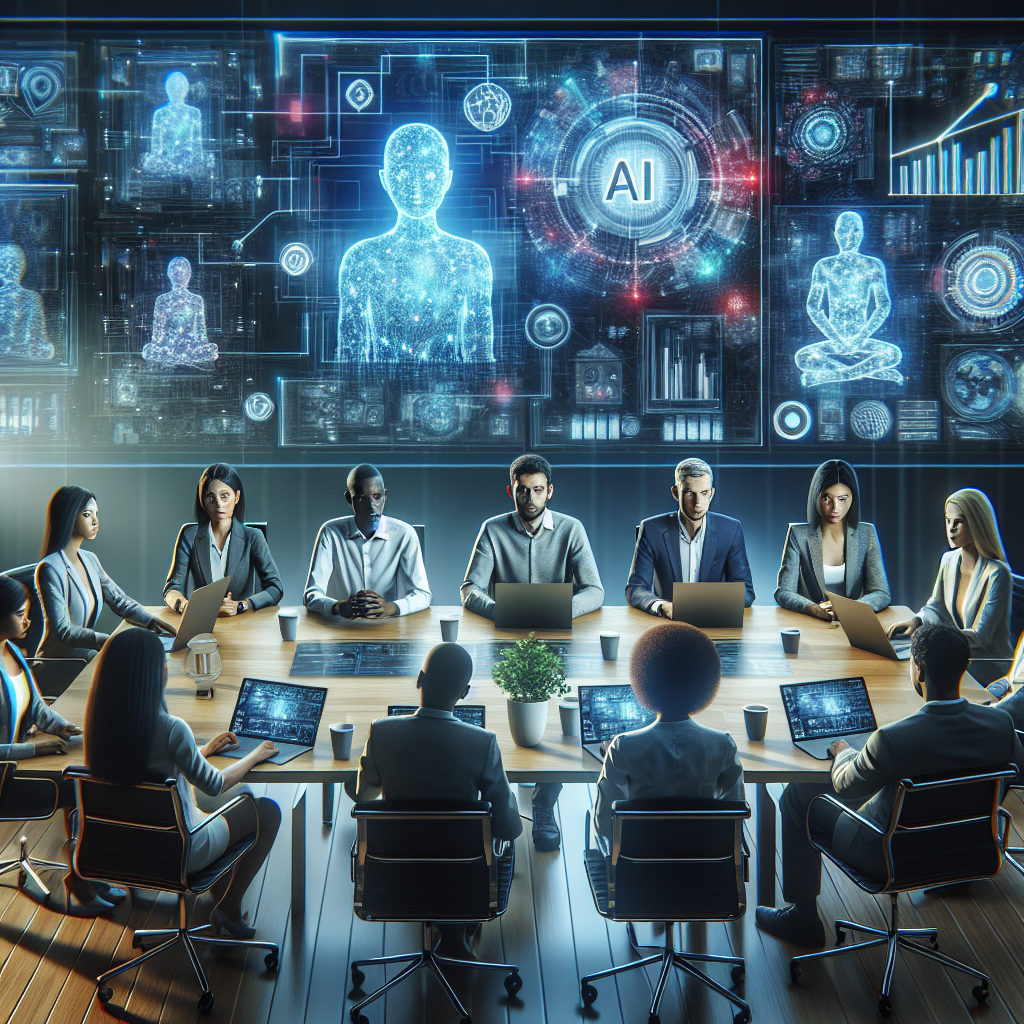
    Artificial Intelligence (AI) has transformed various industries, and software development is no exception. A prominent question among developers and tech enthusiasts is whether AI code will soon outperform human-written code. With rapid advancements in machine learning models, code generation tools, and AI-assisted programming environments, the prospect of AI code revolutionizing software development is closer than ever. This article explores the current state of AI code, its benefits and limitations, and what the future holds for AI code compared to human programmers.

    Understanding AI Code and Its Evolution

    AI code refers to computer programs generated or assisted by artificial intelligence systems. These systems can range from code completion tools like GitHub Copilot to advanced deep learning models capable of producing complex algorithms autonomously. Early AI code tools assisted developers by predicting the next lines of code or offering snippets based on context. Today’s AI code generation systems are more sophisticated, capable of understanding the nuances of programming languages, debugging, and even optimizing code for performance.

    The Evolution of AI Code Tools

    AI code generation began with rule-based systems and simple autocomplete features. The introduction of neural networks and transformer models has revolutionized how AI understands programming languages. Tools now can analyze user intent and generate multiple lines or functions, significantly speeding up the development process. Ongoing research in AI code focuses on improving semantic understanding and adaptability to different coding styles.

    Benefits of AI Code in Software Development

    Faster Development Cycles

    One of the most significant advantages AI code offers is accelerating software development. Developers can leverage AI-generated code snippets or entire functions, reducing manual coding time. This allows teams to deploy applications rapidly and iterate faster based on user feedback.

    Reduced Human Error

    AI code generation tools can enforce coding standards and best practices consistently. This consistency lowers the likelihood of introducing simple but costly bugs such as syntax errors or incorrect variable assignments. AI can also highlight potential errors during the coding process, enabling developers to fix issues early.

    Enhanced Productivity and Creativity

    AI code tools handle repetitive or boilerplate code, freeing developers to focus on complex logic and creative problem-solving. By automating routine tasks, AI code fosters more innovative approaches in software architecture and design.

    Bridging Skill Gaps

    AI code can support developers with less experience by providing code examples and recommendations that follow best practices. This democratizes programming, allowing a wider range of individuals to contribute effectively to projects.

    Limitations of AI Code Today

    Understanding Context and Intent

    Although AI code models have advanced significantly, they still struggle with fully grasping the broader context or specific requirements behind software projects. Human intuition remains crucial for understanding user needs and system constraints, something AI code cannot replicate entirely.

    Handling Complex Logic

    AI code generation tools are often reliable for routine tasks but can falter when tasked with highly complex algorithms or domain-specific logic. Human expertise is still necessary for designing robust solutions that meet intricate business or technical needs.

    Code Maintainability and Readability

    Maintaining and understanding AI-generated code can pose challenges if the code lacks clear structure or documentation. Developers must review and refine AI code to ensure it aligns with project standards and is maintainable over the long term.

    Ethical and Security Concerns

    AI code can inadvertently introduce security vulnerabilities if the training data includes insecure patterns. Additionally, reliance on AI-generated code raises ethical questions about authorship, accountability, and the originality of software products.

    Is AI Code Better Than Human Code?

    The question of whether AI code will surpass human code soon depends on various factors, including the context in which code is produced, the complexity of the task, and the criteria for performance. Currently, AI code excels in assisting developers, automating repetitive tasks, and speeding up development cycles. However, for novel, highly specialized, or mission-critical applications, human expertise remains indispensable.

    AI code is a powerful tool that can complement human programmers rather than replace them entirely. Combining the strengths of AI code and human creativity leads to higher-quality software and more efficient workflows.

    Practical Strategies to Harness AI Code Effectively

    Integrate AI Code Tools Gradually

    Start incorporating AI code generation in development workflows for tasks like code completion, syntax error detection, or generating test cases. This approach allows teams to evaluate the tool’s benefits without fully relying on it.

    Maintain Human Oversight

    Always review AI-generated code carefully. Developers should validate, test, and, if necessary, modify the AI code before integrating it into production systems to ensure reliability and security.

    Focus on Collaboration

    Use AI code to enhance collaboration among team members by sharing AI-generated code snippets and encouraging discussions about improvements, alternatives, and best practices.

    Stay Updated on AI Code Advances

    The field of AI code generation is evolving rapidly. Developers and organizations should stay informed about tools, frameworks, and best practices to maximize AI code’s advantages.

    Future Outlook: Will AI Code Replace Human Coders?

    While AI code generation will continue to improve, it is unlikely to fully replace human coders in the near future. Instead, AI code will reshape the role of software developers, shifting their focus toward higher-level design, system integration, and creative problem-solving. The synergy between AI code and human expertise promises more innovative, efficient, and reliable software development.

    The integration of AI code in education, professional training, and development environments also suggests that future programmers will be fluent in collaborating with AI systems, enhancing their productivity and capabilities.

    Conclusion

    AI code is rapidly transforming software development by enhancing speed, reducing errors, and supporting creativity. Although AI code will not soon outperform human coders in all areas, it is a powerful complementary tool that improves programming workflows. Developers who embrace AI code tools while maintaining human judgment and expertise will be best positioned to thrive in the future of software engineering. As AI code technology advances, the collaboration between humans and machines will redefine how code is written and optimized, leading to a new era of innovation.

  • Master Your Smartphone Battery Life Today

    Introduction

    Mastering your smartphone battery life is essential in today’s fast-paced world where staying connected is a priority. Whether you are a casual user or a power user, understanding effective battery tips can extend the time between charges, improve your device’s performance, and even prolong the overall lifespan of your battery. In this comprehensive guide, you will learn actionable battery tips that help you optimize your smartphone’s energy consumption and reduce battery drain.

    Why Mastering Smartphone Battery Life Matters

    Your smartphone battery is the heart of your device’s functionality. When the battery life is poor, it affects everything from your ability to communicate, work, enjoy media, and use apps efficiently. By mastering battery tips, you gain control over your phone’s power usage, avoid unexpected shutdowns, and make your device more reliable throughout the day.

    Understanding Your Battery and Usage Patterns

    Before implementing battery tips, it’s important to understand how your smartphone battery works and what drains it the most. Most smartphones use lithium-ion batteries that degrade over time due to charging habits, app usage, and environmental factors. Common battery-draining elements include screen brightness, background apps, connectivity features (Wi-Fi, Bluetooth), and location services.

    Battery Tips to Maximize Smartphone Battery Life

    Optimize Screen Brightness and Timeout Settings

    The screen is the largest consumer of smartphone battery. Adjusting brightness to auto or manually reducing it to a comfortable level can drastically improve battery life. Additionally, shorten the screen timeout duration so the display turns off quickly when not in use.

    Enable Battery Saver or Low Power Modes

    Most smartphones come with built-in battery saver modes that limit background processes, reduce visual effects, and turn off unnecessary features. Activating these modes during critical times can extend battery life significantly without compromising essential functions.

    Manage Background Apps and Notifications

    Apps running in the background or frequently sending notifications consume battery power. Review your app settings and disable background activity for apps you don’t need active all the time. Limiting push notifications also reduces battery drain.

    Turn Off Unnecessary Connectivity Features

    Wi-Fi, Bluetooth, GPS, and NFC can drain battery when left on continuously. Turn off these features when you are not using them. For example, disable Wi-Fi and Bluetooth in places without connections, and use location services only when required.

    Use Dark Mode or Dark Themes

    If your smartphone has an OLED or AMOLED display, using dark mode or dark themes can save battery since these displays consume less power displaying black or darker pixels compared to bright colors.

    Update Apps and System Software Regularly

    Developers frequently release updates that optimize battery usage and fix bugs leading to excessive battery drain. Keeping your apps and system up to date ensures you benefit from these improvements.

    Limit High-Performance Apps and Settings

    Gaming, video streaming, and using multiple high-demand apps simultaneously impact battery life. Limit usage of such power-intensive activities or take breaks to allow your phone’s battery to recover.

    Charge Smartly to Preserve Battery Health

    Avoid letting your battery drain to 0% or charge to 100% constantly, as these extremes can reduce battery longevity. Instead, aim for maintaining your battery charge between 20% and 80% for optimal health.

    Steps to Monitor Your Battery Usage Effectively

    Modern smartphones include detailed battery usage monitors that tell you which apps and activities consume the most power. Use these tools to identify battery-hogging apps and adjust your usage accordingly for a better battery experience.

    Additional Battery Tips for Advanced Users

    Calibrate Your Battery Occasionally

    Battery calibration helps realign the battery meter with the actual battery charge. This involves charging your battery to 100%, then letting it drain completely before charging fully again.

    Use Battery Optimization Apps

    There are reputable apps designed to optimize battery usage by killing unnecessary background processes and managing system resources intelligently. Research and use trusted apps to complement your battery-saving strategies.

    Avoid Extreme Temperatures

    Heat and cold affect battery performance and longevity. Avoid exposing your smartphone to very high or very low temperatures to maintain battery health.

    Customize Sync Settings

    Reducing the frequency of auto-sync for email, social media, and cloud services will decrease power consumption. Set sync intervals manually or disable for non-critical apps.

    Conclusion

    Mastering your smartphone battery life with practical battery tips can dramatically improve your device’s usability and longevity. From optimizing screen brightness and connectivity settings to smart charging habits and app management, these strategies empower you to get the most out of your smartphone every day. Start applying these battery tips today and enjoy longer-lasting battery performance without sacrificing functionality.

    Meta Description: Discover essential battery tips to master your smartphone battery life. Learn expert strategies to extend battery longevity and optimize performance today.

    URL Slug: battery-tips-master-your-smartphone-battery-life

  • Beyond Morse Code The Dawn of Modern Communication 2025

    Beyond Morse Code The Dawn of Modern Communication 2025

    Introduction to Modern Communication: From Morse Code to the Digital Age

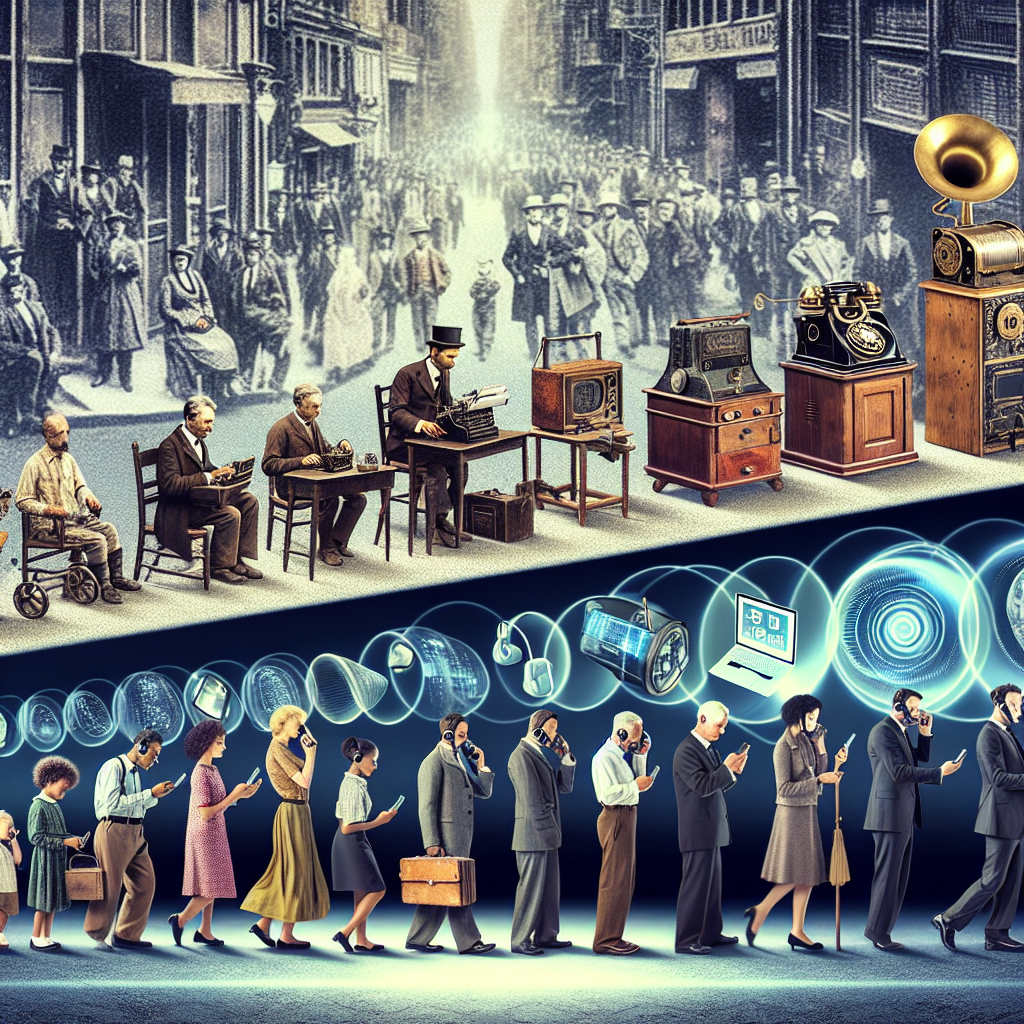
    Modern communication has transformed dramatically since the days of Morse code, marking a profound evolution in how humans exchange information. As we approach 2025, the landscape of modern communication encompasses an array of advanced technologies that enable faster, more efficient, and more versatile exchanges than ever before. This article explores the journey beyond Morse code, highlighting key milestones in the history of modern communication and examining emerging trends that will shape the future.

    The Origins of Modern Communication: Morse Code and Its Impact

    Morse code, developed in the 1830s and 1840s by Samuel Morse and Alfred Vail, revolutionized early communication by enabling long-distance transmission of information through electrical signals. This code relied on a series of dots and dashes to represent letters and numbers, allowing messages to be sent via telegraph lines rapidly and reliably. As one of the earliest forms of electronic communication, Morse code laid the foundation for the development of modern communication technologies.

    The significance of Morse code lies not only in its innovative use of electrical signals but also in its role in connecting different parts of the world. Telegraph lines spanned continents, and naval communications benefited greatly, especially during wartime, improving coordination and intelligence sharing.

    Transitioning from Morse Code to Telephony and Radio Communication

    Following Morse code, the invention of the telephone by Alexander Graham Bell in 1876 opened new horizons. Unlike the binary signals of Morse code, telephony delivered voice communication in real time, which was more intuitive and accessible to a broader population. This shift marked a critical evolution toward the modern communication era.

    Simultaneously, radio communication emerged, particularly with Guglielmo Marconi’s experiments in wireless telegraphy. Radio waves eliminated the need for physical wires, expanding the reach of communication across vast distances including oceans and remote areas, further accelerating the globalization of information exchange.

    The Digital Revolution and the Advent of the Internet

    The 20th century witnessed groundbreaking developments that shaped contemporary modern communication. The transition from analog to digital technology enabled higher data transmission speeds and improved reliability. The creation of the internet in the late 1960s and its commercial expansion in the 1990s marked a monumental leap, transforming communication from localized exchanges to a global network accessible to billions.

    Email, instant messaging, and Voice over Internet Protocol (VoIP) changed communication dynamics, offering instantaneous and multimedia-rich interactions. The internet also introduced social media platforms, reshaping how people connect, share, and collaborate worldwide.

    Modern Communication Technologies in 2025: What to Expect

    As we advance into 2025, modern communication continues to evolve at a rapid pace. Several emerging technologies and trends are poised to redefine the landscape:

    5G and Beyond: The deployment of 5G networks provides unprecedented speeds and ultra-low latency, enabling seamless streaming, real-time gaming, augmented reality (AR), and virtual reality (VR) experiences.

    Artificial Intelligence (AI): AI-powered communication tools enhance natural language processing, real-time translation, and intelligent personal assistants, breaking down language barriers and providing more personalized interactions.

    Quantum Communication: Though still in experimental stages, quantum communication promises virtually unhackable data transmission through quantum encryption, ensuring unprecedented security for sensitive communications.

    Internet of Things (IoT): Connected devices create an expansive communication network that goes beyond human-to-human interaction, enabling smart cities, autonomous vehicles, and advanced healthcare monitoring.

    Practical Implications of Modern Communication in Everyday Life

    Modern communication technologies have everyday applications across various sectors:

    Business: Remote work and collaboration tools have transformed workplace communication, enabling global teams to coordinate effortlessly.

    Healthcare: Telemedicine and real-time patient monitoring rely on robust communication systems to provide timely and effective care.

    Education: Online learning platforms leverage modern communication tools to deliver interactive educational content worldwide.

    Social Interactions: Social media and messaging apps keep individuals connected regardless of physical distance.

    Challenges in the Era of Advanced Modern Communication

    Despite its many benefits, the rise of modern communication technologies also presents challenges:

    Privacy Concerns: Increased data exchange raises risks related to data security and user privacy.

    Information Overload: The abundance of communication channels can lead to distraction and difficulty focusing on critical information.

    Digital Divide: Unequal access to modern communication infrastructure creates disparities in opportunity and connectivity.

    The Future: Beyond 2025 and the Continuous Evolution of Modern Communication

    Looking beyond 2025, modern communication will likely continue to blend emerging technologies such as AI, quantum computing, and advanced network infrastructures. Innovations like holographic communication, brain-computer interfaces, and immersive environments may redefine human interaction further, making the concept of distance nearly irrelevant.

    To thrive in this dynamic ecosystem, individuals and organizations must stay informed and adaptable, leveraging the latest tools while addressing the ethical and practical challenges inherent in rapid technological progress.

    Conclusion: Embracing the Legacy and Promise of Modern Communication

    From the foundational Morse code to the high-speed, intelligent systems of today, modern communication has come a long way, fundamentally reshaping society and human connectivity. As 2025 approaches, embracing this ongoing transformation offers immense opportunities for innovation, collaboration, and global understanding. Recognizing the historical roots while looking forward to new possibilities allows us to appreciate the full spectrum of modern communication’s impact and potential.

  • Demystifying AI Bias Why It Happens and How to Combat It

    Demystifying AI Bias Why It Happens and How to Combat It

    Introduction

    AI bias is one of the most critical challenges in the development and deployment of artificial intelligence systems today. As AI technologies become increasingly integrated into various aspects of society—from hiring processes to law enforcement—understanding why AI bias happens and how to combat it is essential for creating fair, ethical, and reliable AI solutions. This article will demystify AI bias by exploring its root causes, impacts, and practical strategies to detect, prevent, and mitigate it.

    What Is AI Bias?

    AI bias refers to systematic errors in AI algorithms that lead to unfair or prejudiced outcomes against certain groups of people. These biases often arise from the data used to train AI models, the design of algorithms, or the broader societal context in which the systems operate. Because AI systems learn patterns from historical data, any existing social prejudices or inequalities reflected in that data can be inadvertently encoded into the AI’s decisions, perpetuating discrimination or inequality.

    Why AI Bias Happens

    1. Biased Training Data

    One of the primary reasons AI bias occurs is biased or unrepresentative training data. AI systems learn from large datasets that may reflect historical prejudices or underrepresent certain demographic groups. For example, facial recognition technologies trained mainly on images of lighter-skinned individuals often perform poorly on darker-skinned subjects. This lack of diversity leads to skewed outputs that disadvantage minority groups.

    2. Incomplete or Insufficient Data

    AI models require diverse, comprehensive data to generalize well. When data is incomplete or lacks sufficient samples from all relevant groups, the AI may produce biased results. For instance, hiring algorithms trained on resumes mostly from one gender or ethnicity may favor candidates resembling the majority in the training set.

    3. Algorithmic Design Choices

    AI bias can also stem from choices made during algorithm design. Model architectures, objective functions, and feature selections impact how AI interprets data. If these choices do not account for fairness or equity, they might prioritize accuracy over unbiased decision-making, inadvertently reinforcing societal biases.

    4. Societal and Cultural Factors

    AI systems operate within the social contexts where bias naturally exists. If developers overlook the broader implications, implicit biases held by creators can creep into the design and implementation of AI technologies. Additionally, systemic inequalities in society become embedded in the data and algorithms, making AI bias a reflection of real-world discrimination.

    The Impacts of AI Bias

    AI bias can have far-reaching consequences, undermining trust in AI technologies and exacerbating social inequalities. Biased AI can unfairly deny individuals job opportunities, loans, insurance, or legal justice. It can perpetuate stereotypes and marginalize vulnerable populations. Recognizing these impacts underscores the urgency of addressing AI bias proactively.

    How to Combat AI Bias: Practical Strategies

    1. Data Auditing and Curation

    One of the first steps in combating AI bias is conducting rigorous audits of the datasets used for training. This involves checking for representation across different demographic groups, identifying and eliminating incorrect or biased entries, and ensuring data diversity. Curating balanced and high-quality datasets reduces the risk of biased learning outcomes.

    2. Implementing Fairness Metrics

    Developers should employ fairness metrics and evaluation frameworks to measure bias in AI models. Tools such as disparate impact analysis, equal opportunity difference, or demographic parity help quantify biases and guide iterative improvements. Incorporating these metrics into the model validation process supports transparency and accountability.

    3. Inclusive Algorithm Design

    Designing AI algorithms with fairness as a core objective helps mitigate bias. Techniques like adversarial debiasing, fairness-aware machine learning, and re-weighting data samples can improve equitable decision-making. Additionally, selecting features carefully to avoid proxies for sensitive attributes like race or gender is crucial.

    4. Diverse Development Teams

    Ensuring diversity within AI development teams introduces multiple perspectives, helping identify potential biases early. Teams that reflect varied backgrounds are more likely to design systems that respect different experiences and values, reducing the risk of unintentional bias.

    5. Continuous Monitoring and Updates

    AI bias is not a one-time problem; models may become biased over time as data and contexts change. Continuous monitoring of AI outputs and regular updating of models ensures sustained fairness. Feedback loops from users and impacted communities can provide critical insights to detect emerging biases.

    6. Transparency and Accountability

    Making AI systems more transparent by documenting data sources, modeling decisions, and limitations builds trust. Providing stakeholders with explanations for AI decisions allows for accountability and informed oversight. Regulatory standards and ethical guidelines are also fundamental in combating AI bias on an industry-wide scale.

    Conclusion

    AI bias is a complex issue that arises from various factors including biased data, algorithmic design choices, and societal influences. Understanding why AI bias happens is the first step toward developing effective solutions. By implementing best practices such as data auditing, fairness metrics, inclusive design, diverse teams, continuous monitoring, and transparency, organizations can combat AI bias and build AI systems that are ethical, fair, and trustworthy. As AI continues to shape our world, addressing AI bias proactively is imperative for fostering equitable technological advancement.

    URL Slug: demystifying-ai-bias-why-it-happens-and-how-to-combat-it

  • AI is Not Taking Your Job But Augmenting It

    AI is Not Taking Your Job But Augmenting It

    Artificial Intelligence (AI) is revolutionizing the workplace, but contrary to popular fear, it is not here to take your job away. Instead, AI augmentation is transforming how we work, enhancing human capabilities and driving productivity to new heights. This article explores the concept of AI augmentation, illustrating how it complements human skills, improves workflows, and opens up new career opportunities. Understanding AI augmentation is essential for professionals eager to thrive in the evolving job market shaped by advanced technologies.

    Understanding AI Augmentation: What Is It?

    AI augmentation refers to the use of artificial intelligence technologies to enhance human performance rather than replace it. Instead of competing with humans, AI systems assist, streamline, and optimize tasks that are repetitive, complex, or data-intensive. By automating mundane parts of jobs and providing insights through advanced analytics, AI augmentation enables workers to focus on creativity, critical thinking, and decision-making.

    For example, in customer service, AI-powered chatbots can handle routine inquiries, freeing human agents to deal with more complex interactions. In healthcare, AI tools assist doctors by analyzing medical images or suggesting potential diagnoses, allowing professionals to make more accurate and timely decisions. These examples illustrate how AI augmentation not only preserves jobs but makes roles more valuable and impactful.

    Why AI Augmentation Matters in Today’s Workforce

    As automation continues to advance, concerns about job losses grow. However, the reality is that AI augmentation is shifting the nature of work rather than eliminating it. Companies that adopt AI augmentation benefit from increased efficiency, better quality outputs, and improved employee satisfaction because workers are relieved from monotonous tasks.

    Moreover, AI augmentation fosters innovation by augmenting human creativity and intuition with machine intelligence. It helps identify patterns and opportunities invisible to humans alone. This synergy creates a competitive edge in industries ranging from finance to marketing to manufacturing. Embracing AI augmentation prepares organizations and employees to adapt, upskill, and evolve with technological progress, ultimately safeguarding employment and career growth.

    How AI Augmentation Enhances Specific Job Functions

    1. Data Analysis and Decision Support

    AI augmentation tools can process vast datasets quickly, uncovering actionable insights that humans might miss. Business analysts, data scientists, and managers gain valuable decision support from AI models that predict trends, assess risks, and recommend strategies, making planning more informed and accurate.

    2. Content Creation and Marketing

    Writers, designers, and marketers use AI-powered assistants to generate ideas, create drafts, and personalize campaigns. AI augmentation accelerates content production by handling routine editing, keyword optimization, and distribution tasks, allowing creative professionals to concentrate on strategy and innovation.

    3. Customer Service and Relationship Management

    AI chatbots and virtual assistants manage initial customer contacts and routine inquiries, providing 24/7 availability and quick responses. Human agents supported by AI augmentation can deliver higher-quality, complex interactions and build stronger relationships, enhancing customer satisfaction.

    4. Manufacturing and Operations

    In industrial settings, AI augmentation includes machine learning algorithms that optimize production schedules, predict maintenance needs, and improve supply chain management. Human operators work alongside AI systems to maintain quality control and troubleshoot issues, leading to higher productivity and reduced downtime.

    Embracing AI Augmentation: Practical Tips for Professionals

    – Develop a growth mindset: Embrace change and be open to learning about AI tools relevant to your field.

    – Upskill strategically: Pursue training in AI-related skills such as data literacy, machine learning basics, and digital tools that complement your expertise.

    – Collaborate with AI: Experiment with AI applications that augment your work processes rather than replace them. Understand how to interpret AI outputs critically.

    – Focus on uniquely human skills: Strengthen skills like creativity, emotional intelligence, problem-solving, and interpersonal communication, which AI cannot replicate.

    – Advocate for ethical AI: Engage in conversations about responsible AI use in your workplace to ensure technology supports human well-being.

    The Future of Work with AI Augmentation

    Looking ahead, AI augmentation will become an integral part of every profession. The collaboration between humans and AI will deepen, creating hybrid roles that leverage the strengths of both. Organizations will invest more in AI-powered tools designed to enhance human judgment and creativity.

    Policies and education systems must adapt to prioritize AI literacy and lifelong learning. Workers equipped with AI augmentation skills will enjoy greater job security and satisfaction. Rather than fearing displacement, the workforce should view AI augmentation as an opportunity to redefine work, unlock potential, and innovate in unprecedented ways.

    Conclusion

    AI is not taking your job but augmenting it. Through AI augmentation, artificial intelligence advances human capabilities, making work more efficient, creative, and meaningful. By understanding and embracing AI augmentation, professionals can ensure they remain relevant and competitive in the rapidly changing labor market. The future belongs to those who collaborate with AI to enhance their skills and deliver greater value in their roles. Embrace AI augmentation today and transform how you work for the better.

  • Could AI Make You Super Creative

    Could AI Make You Super Creative

    Introduction to AI Creativity: Unlocking Your Super Creative Potential

    Artificial Intelligence (AI) has rapidly transformed numerous aspects of our lives, from healthcare and finance to entertainment and education. One of the most intriguing frontiers where AI is making a profound impact is creativity. AI creativity, the fusion of human imagination and machine intelligence, is emerging as a powerful catalyst that could transform how we create, innovate, and solve problems. But could AI truly make you super creative? In this article, we will explore how AI creativity works, practical ways to harness AI tools, and the implications for individuals and professionals looking to elevate their creative output.

    Understanding AI Creativity: What It Means and How It Works

    AI creativity refers to the ability of artificial intelligence systems to assist or independently generate creative content. Unlike traditional automation, AI creativity leverages advanced algorithms, machine learning models, and neural networks to analyze vast data, identify patterns, and produce innovative ideas or artworks that mimic or complement human thought processes. Examples include AI-generated music, paintings, writing, and even design prototypes.

    AI creative systems do not replace human creativity; instead, they augment it, providing fresh perspectives and iterative suggestions rapidly. These tools can break creative blocks, inspire novel ideas, and optimize workflows, ultimately helping users push boundaries they might not reach alone.

    How AI Creativity Could Enhance Human Creativity

    1. Expanding Idea Generation: AI creativity tools can generate hundreds or thousands of ideas based on your initial inputs, enabling rapid brainstorming and expanding the scope of possible concepts.

    2. Breaking Creative Blocks: When stuck, AI systems serve as unbiased collaborators presenting alternative angles or solutions that differ radically from your own style.

    3. Speed and Iteration: AI-powered platforms allow faster prototyping and refinement, accelerating the creative process and improving quality through numerous experimentations.

    4. Cross-Disciplinary Inspiration: AI’s ability to analyze diverse datasets helps blend influences from various domains, encouraging hybrid concepts and novel mashups that often spark breakthroughs.

    5. Personalized Creative Assistance: With advances in AI personalization, creative tools can adapt to your preferences and learning style, enhancing how you develop ideas over time.

    Practical Ways to Harness AI Creativity in Your Projects

    Art and Design: AI Creativity is revolutionizing visual arts by generating images, enhancing photos, or suggesting design elements. Tools like DALL·E, Runway ML, or Adobe’s AI features help artists produce unique visuals quickly. Try inputting a simple idea and let the AI generate multiple artwork variations to inspire you.

    Writing and Content Creation: If you write articles, stories, or marketing copy, AI creativity platforms such as ChatGPT, Jasper, or Writesonic can generate content drafts, brainstorm topics, or improve existing text. Use AI to explore different tones, structures, or angles to enrich your storytelling.

    Music Composition: AI creativity tools like Amper Music or AIVA compose melodies and background scores. Musicians can collaborate with these platforms to experiment with genres or arrangements they haven’t attempted, expanding their musical repertoire.

    Business Innovation: AI creativity also extends to product design, campaign ideation, and data-driven customer insights. Use AI to simulate user scenarios, generate product concepts, or fine-tune marketing strategies based on predictive analytics.

    Step-by-Step Guide to Integrating AI Creativity Into Your Workflow

    Step 1: Identify where you face creativity challenges—be it coming up with ideas, refining content, or generating visuals.

    Step 2: Select appropriate AI creativity tools that match your domain and goals—for example, creative writing software, design AI, or music generation platforms.

    Step 3: Start with basic inputs or prompts. Review the AI-generated suggestions carefully, modifying them or combining them with your own ideas.

    Step 4: Experiment with iterative feedback loops. Use outputs to refine prompts or project parameters, leveraging the AI to evolve ideas progressively.

    Step 5: Blend AI outputs with your intuition and expertise. Remember, AI creativity excels as a collaborative partner, not a replacement.

    Potential Challenges and Ethical Considerations in AI Creativity

    While AI creativity offers tremendous potential, it also raises challenges worth noting. Authenticity concerns arise when distinguishing human-created from AI-generated content. Moreover, creativity fueled by AI may inadvertently reflect biases embedded in training data. Responsible usage includes transparency about AI involvement and preserving the unique value of human expression.

    Furthermore, reliance on AI creativity can risk diminishing the development of personal creative skills if used passively. It is critical to view AI as a supportive tool that catalyzes growth rather than a shortcut that replaces effort.

    Future Outlook: Could AI Make You Super Creative?

    The rapid evolution of AI creativity tools strongly suggests that integrating AI into creative endeavors will become increasingly common and essential. By embracing AI as an amplifier of human potential, individuals and organizations could unlock new levels of creativity, productivity, and innovation. The key lies in mastering AI creativity techniques, continuous learning, and maintaining a balance between technological assistance and human originality.

    Conclusion: Embracing AI Creativity for Supercharged Innovation

    AI creativity is not just a futuristic concept but a present-day reality transforming how we imagine and create. Whether you are an artist, writer, musician, entrepreneur, or educator, tapping into AI creativity can supercharge your creative output, break barriers, and inspire new possibilities. Start exploring AI creativity tools today and unlock your super creative potential with the power of artificial intelligence.

    URL Slug Suggestion: could-ai-make-you-super-creative-ai-creativity-boost

  • Is AI Ready to Replace Your Doctor in 2025

    Is AI Ready to Replace Your Doctor in 2025

    Introduction

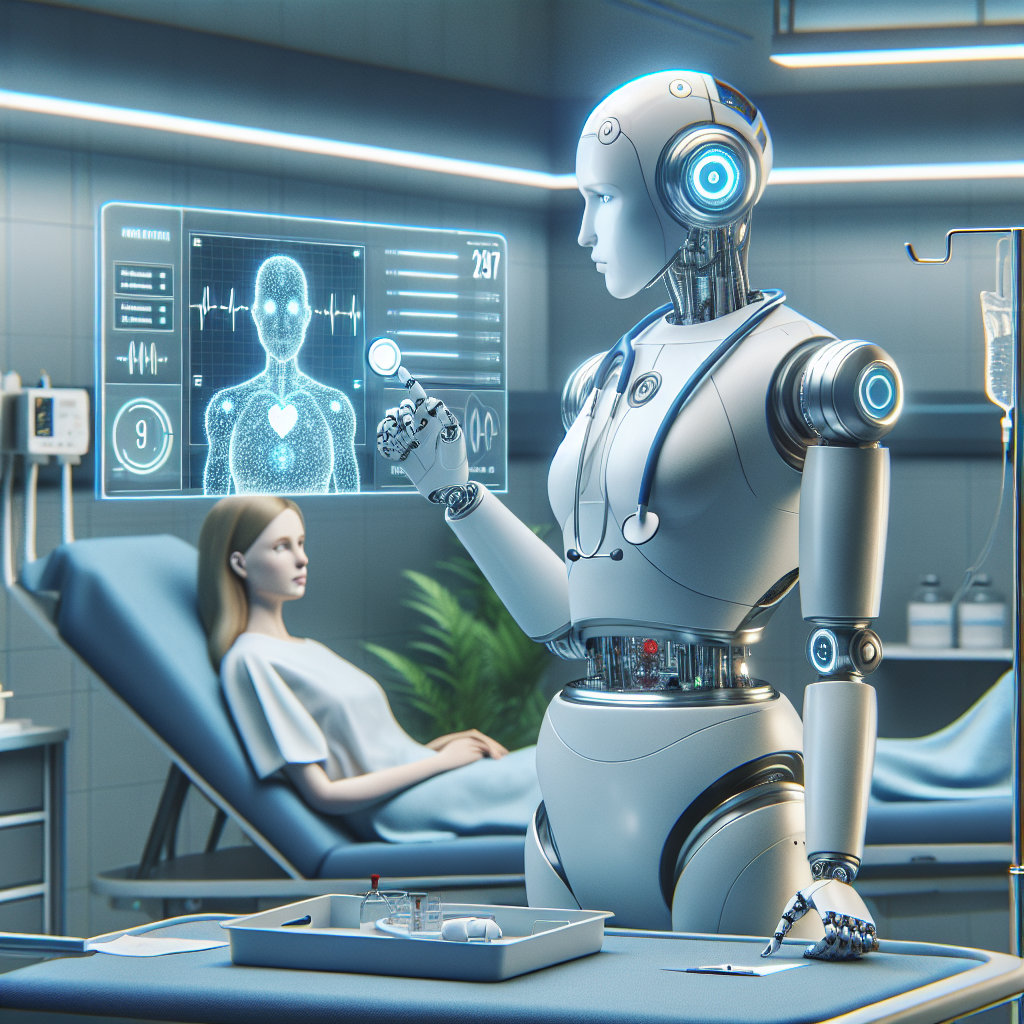
    The rapid advancements in artificial intelligence (AI) have begun transforming industries across the globe, with healthcare standing out as one of the most promising and impactful sectors. As we approach 2025, many are asking a critical question: Is AI ready to replace your doctor? The concept of AI healthcare is no longer science fiction but a growing reality, offering opportunities to enhance diagnostic accuracy, personalize treatment plans, and streamline administrative tasks. In this article, we explore the current state of AI healthcare, the potential it holds, and the challenges that still need to be addressed before AI can serve as a full substitute for human doctors.

    Understanding AI Healthcare: What Is It?

    AI healthcare refers to the use of artificial intelligence technologies—such as machine learning, natural language processing, and computer vision—to support, augment, or automate medical processes. These applications range from diagnostic tools that analyze medical imaging to virtual health assistants and predictive analytics for patient outcomes. AI is designed to help providers make better decisions, improve patient care, and reduce costs.

    The Current State of AI Healthcare Technologies

    AI healthcare platforms today are already demonstrating impressive capabilities:

    Medical Imaging Diagnosis: AI algorithms can analyze X-rays, MRIs, and CT scans to detect abnormalities such as tumors, fractures, and infections often faster and with high accuracy. For example, AI can identify lung cancer nodules more quickly than human radiologists in some cases.

    Predictive Analytics: Machine learning models can predict patient deterioration risks, readmission probabilities, and disease progression. This enables more proactive interventions.

    Virtual Health Assistants: Chatbots and voice assistants powered by AI handle patient inquiries, medication reminders, and basic triage, improving access to information and care.

    Personalized Treatment Plans: AI analyzes vast datasets including genetics, lifestyle, and clinical history to suggest customized therapies that improve outcomes.

    Will AI Healthcare Replace Human Doctors by 2025?

    Despite these advances, fully replacing doctors with AI by 2025 remains unlikely due to several reasons:

    Complexity of Medical Practice: Medicine involves nuanced decision-making, empathy, ethical considerations, and hands-on skills that AI currently cannot replicate.

    Data Limitations and Bias: AI models require large, high-quality datasets, which are often incomplete or biased, limiting generalizability.

    Regulatory and Legal Barriers: Healthcare regulations, patient privacy laws, and medico-legal concerns slow widespread AI deployment.

    Trust and Acceptance: Patients and clinicians may be hesitant to rely solely on AI for critical health decisions without human oversight.

    However, AI healthcare is expected to increasingly complement doctors’ work by handling routine tasks, enhancing diagnostic precision, and providing decision support tools that free up physicians to focus on patient interaction and complex problem-solving.

    Key Areas Where AI Healthcare Is Making a Difference Today

    Improving Diagnostic Accuracy: AI systems can serve as a second opinion, reducing errors and catching diseases earlier.

    Accelerating Drug Discovery: AI speeds up the identification of potential drug candidates, reducing drug development timelines.

    Optimizing Hospital Operations: From scheduling to resource allocation, AI analytics improve efficiency and patient flow.

    Enhancing Remote Patient Monitoring: AI-powered wearables and apps track vital signs, alerting doctors to concerns in real-time.

    Challenges Facing AI Healthcare Implementation

    Data Privacy and Security: Protecting patient data in AI systems is paramount to maintain trust and comply with regulations.

    Integration with Existing Systems: Seamless incorporation of AI into healthcare IT infrastructure remains complex.

    Bias and Fairness: Ensuring AI decisions do not reinforce health disparities is critical.

    Cost and Accessibility: Investments required for AI adoption may widen gaps between resource-rich and underserved healthcare settings.

    The Future Outlook: Collaboration Between AI and Physicians

    The future of AI healthcare is best envisioned as a collaborative partnership rather than replacement. Physicians empowered by AI tools can deliver more precise, efficient, and personalized care. Training clinicians to work alongside AI, updating regulatory frameworks, and investing in ethical AI development will be essential for realizing this synergy.

    Conclusion

    While AI healthcare has made tremendous progress and will continue to revolutionize medical practice, it is not fully ready to replace your doctor by 2025. Instead, AI will serve as an invaluable assistant that enhances health outcomes and patient experiences. Preparing for this future means embracing AI technologies thoughtfully, addressing challenges, and fostering collaboration between technology and human expertise for a healthier tomorrow.

    URL slug suggestion:

    ai-healthcare-ready-to-replace-your-doctor-2025

  • That Time We Almost Lost the Internet How a Glitch Rewrote History

    That Time We Almost Lost the Internet How a Glitch Rewrote History

    That Time We Almost Lost the Internet: How a Glitch Rewrote History

    Introduction

    In the vast history of technology, few moments have been as suspenseful and eye-opening as the time an internet glitch nearly brought the digital world to a grinding halt. This internet glitch didn’t just cause minor inconvenience; it threatened to disconnect millions, disrupt economies, and rewrite how we understand the reliability of our global network. Exploring this pivotal event reveals the underlying fragility of the internet’s infrastructure and how human ingenuity saved the day. In this article, we will dive deep into the background of the internet glitch, the chaos it caused, and the lasting changes that shaped the future of the web.

    Understanding the Internet Glitch: What Happened?

    The internet glitch that almost caused a worldwide outage was triggered by a critical failure in the Domain Name System (DNS), the backbone technology that translates human-readable web addresses into machine IP addresses. On that fateful day, a software misconfiguration led to a cascading effect where DNS servers worldwide began rejecting legitimate queries. This glitch disrupted communication between users and servers, effectively making countless websites inaccessible.

    The ripple effect was immediate: businesses were cut off from customers, emergency systems faced communication delays, and vast segments of the internet went dark. Researchers later uncovered that the glitch emanated from a single corrupted update on a key DNS server, illustrating how a small error in a critical component can escalate into a global incident.

    The Impact and Immediate Response to the Internet Glitch

    As reports of inaccessible websites flooded in, internet service providers, tech companies, and government agencies rushed to diagnose the cause. The internet glitch exposed vulnerabilities in the distributed design of the DNS and the over-reliance on certain infrastructure components. Swift coordination led to the rollback of the faulty update, but it wasn’t just a simple fix.

    Technicians across the globe raced against time to patch servers, reroute traffic dynamically, and communicate with end-users to prevent panic. The incident highlighted several critical issues such as the lack of redundancy in some regions and the absence of comprehensive real-time monitoring systems.

    Lessons Learned: How the Internet Glitch Rewrote History

    This incident was a wake-up call for the entire tech industry, sparking a series of reforms designed to safeguard the internet’s resilience. Key learning points included:

    1. Improved DNS infrastructure: Companies accelerated the deployment of secondary DNS servers and adopted more sophisticated error-checking algorithms.

    2. Enhanced transparency and communication: Stakeholders developed better protocols for alerting the public and industry partners during crises.

    3. Investment in real-time diagnostics: Comprehensive monitoring tools were created to detect similar glitches before they could scale into disasters.

    4. Collaborative governance: Internet governance bodies strengthened their cooperation, creating rapid response teams to manage unexpected failures faster.

    These changes laid the groundwork for a more secure and stable internet that millions depend on daily.

    The Technical Anatomy of the Internet Glitch

    To fully appreciate the complexity of this internet glitch, it’s important to understand the DNS mechanism. The corrupted software update contained erroneous data that caused DNS servers to return incorrect or no responses for domain requests. The flaw triggered a feedback loop where queries repeatedly failed, generating traffic overload and server crashes.

    Additionally, the glitch exposed how interdependent certain internet infrastructure components had become. When one DNS server failed, the fallback mechanisms were insufficient to handle the scale of failure, leading to widespread outages. This fragility spurred the development of more robust failover strategies and decentralized systems that could better absorb shock.

    The Human Side: Stories from Those Who Lived Through the Internet Glitch

    Behind the technical jargon were millions affected by the internet glitch. E-commerce entrepreneurs lost sales during a critical period, journalists could not access vital information, and emergency services struggled with communication. Yet, amid the chaos, tales emerged of resilient IT teams pulling all-nighters to restore function and communities rallying to support one another.

    These human stories underscore the internet’s role as a social, economic, and cultural lifeline, reminding us that technology is only as strong as the people who maintain it.

    Preventing the Next Internet Glitch: The Road Ahead

    While the internet glitch of this historic event exposed vulnerabilities, it also propelled advancements that continue to safeguard global connectivity. Modern internet architecture now incorporates machine learning to predict system failures, blockchain-based DNS alternatives to enhance security, and international regulatory frameworks to improve accountability.

    Moreover, cross-sector partnerships have become essential, uniting governments, private sector entities, and academia to build a unified defense against future glitches. Public awareness campaigns also emphasize the importance of digital literacy and cybersecurity hygiene to mitigate risks.

    Conclusion

    The time we almost lost the internet due to a catastrophic internet glitch remains a defining moment in tech history. It revealed the web’s hidden fragility and the enormous challenges of managing a decentralized global resource. More importantly, it sparked innovation, collaboration, and resilience in the face of an unforeseen crisis. As we continue to rely on connected technologies, the lessons from this internet glitch guide us toward a more secure, reliable, and inclusive digital future.

    URL Slug: that-time-we-almost-lost-the-internet-internet-glitch-rewrote-history

    Meta Description: Discover the dramatic story of the internet glitch that nearly caused a global outage, how it disrupted the digital world, and the lessons that rewrote internet history.

  • The Future of Wearable Tech Beyond Smartwatches

    The Future of Wearable Tech Beyond Smartwatches

    Introduction

    Wearable technology has revolutionized the way we interact with digital devices, with smartwatches leading the charge as the most popular and widely adopted form of wearable tech. However, the future of wearable technology extends far beyond just smartwatches. Innovations are pushing the boundaries of how wearable devices can enhance health, productivity, communication, and entertainment. In this article, we explore the emerging trends, cutting-edge devices, and groundbreaking applications that define the future of wearable technology beyond smartwatches.

    The Evolution of Wearable Technology: More Than Just Smartwatches

    While smartwatches remain the flagship wearable tech item, offering notifications, fitness tracking, and seamless smartphone integration, the ecosystem of wearable technology is rapidly expanding. Future wearable devices aim to deliver more immersive and specialized experiences across diverse sectors such as healthcare, augmented reality, sports, and fashion. The shift towards miniaturization, enhanced sensors, and AI-driven data analytics is enabling wearables to become smarter, more intuitive, and less intrusive.

    Emerging Categories in Wearable Technology Beyond Smartwatches

    Wearable Fitness and Health Monitors

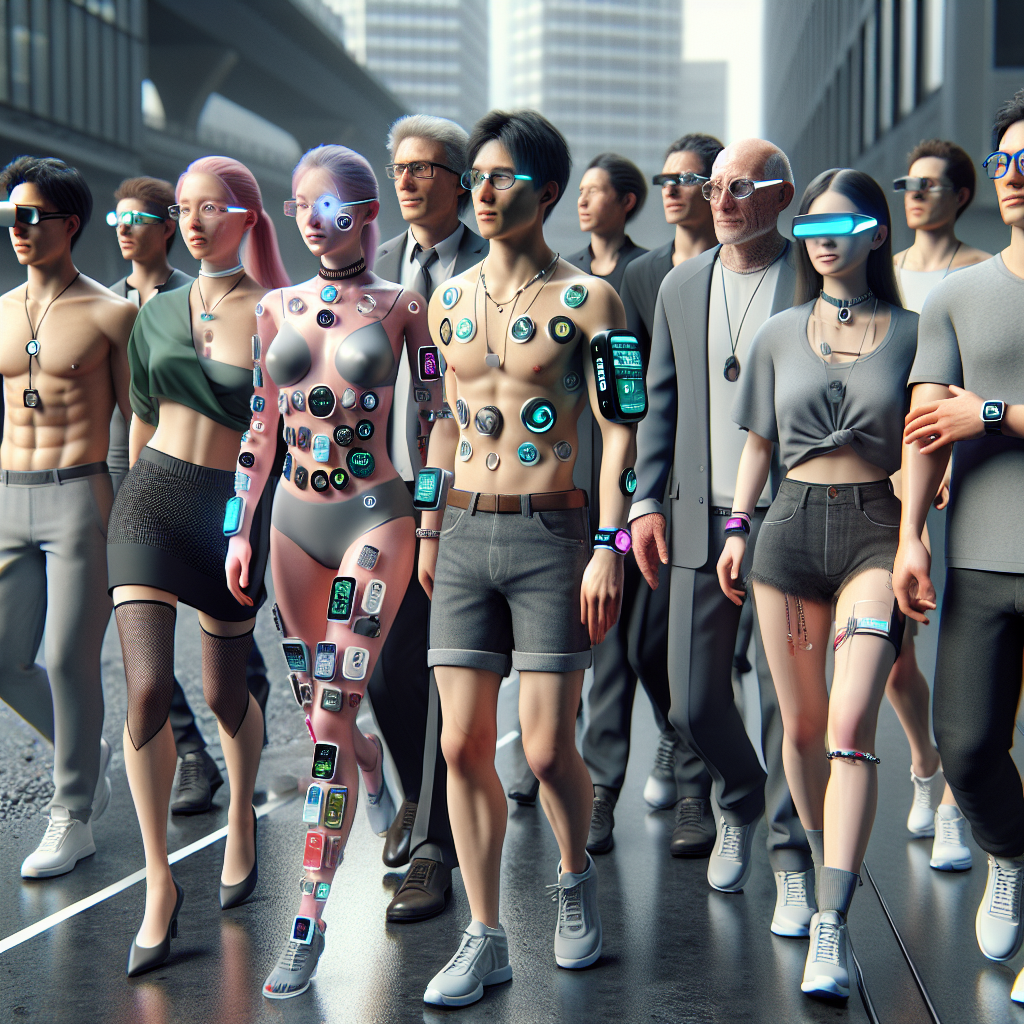
    Beyond heart rate and step counters, next-generation wearable technology in fitness includes advanced biosensors capable of monitoring hydration levels, blood glucose, oxygen saturation, and even stress biomarkers in real time. Devices like smart patches, rings, and skin-adhered sensors provide continuous health monitoring without the need for bulky hardware. These wearables facilitate early detection of health issues and personalized fitness coaching by integrating with AI health platforms.

    Augmented Reality (AR) and Virtual Reality (VR) Wearables

    The future of wearable technology envisions seamless AR glasses and VR headsets that are lightweight, socially acceptable, and power-efficient. Unlike the current generation of cumbersome VR headsets, forthcoming AR wearables will blend digital content with the real world effortlessly, supporting applications in navigation, remote work, education, and gaming. Eye-tracking technology and gesture control will refine user interaction, making these devices more intuitive and accessible.

    Smart Clothing and E-Textiles

    Smart fabrics embedded with sensors and conductive fibers represent a significant advancement in wearable technology. These sensors can monitor vital signs, body movements, and environmental conditions, transmitting data to connected devices for analysis. Smart clothing is gaining traction in both healthcare – for rehabilitation and chronic disease management – and in sports, where real-time performance metrics enhance athletic training and injury prevention.

    Wearable Communication Devices

    Beyond wrist-worn smart devices, wearable communication tech is branching into discreet form factors such as smart earbuds and even voice-controlled earpieces that facilitate hands-free communication. These devices utilize AI-powered speech recognition and noise cancellation to improve connectivity, making phone calls, translations, and virtual assistants more efficient and natural while on the move.

    Implantable and Invisible Wearable Technology

    The future will also see advancements in implantable wearable technology designed for continuous monitoring of critical health parameters from inside the body, promising unprecedented medical insights. Examples include bioelectronics that regulate nerve functions or smart implants that monitor glucose or cardiac activity. Similarly, invisible wearables, such as electronic tattoos, offer non-invasive options for sensor data collection without the need for external hardware.

    Key Technologies Driving the Future of Wearable Technology

    Advanced Sensors and Biometric Monitoring

    The integration of multi-modal sensors capable of collecting diverse physiological data is central to the evolution of wearable technology. Innovations in flexible sensor materials, low-power electronics, and AI-driven data interpretation allow wearables to deliver accurate, real-time feedback for health, wellness, and environment monitoring.

    Artificial Intelligence and Machine Learning

    AI algorithms enhance the functionality of wearable tech by personalizing user experiences, predicting health risks, automating routine tasks, and optimizing power usage. Machine learning models analyze patterns from sensor data to provide actionable insights and early warnings, making wearables indispensable health and lifestyle companions.

    Energy Harvesting and Battery Technologies

    For wearable technology to achieve widespread adoption beyond smartwatches, overcoming battery limitations is crucial. Future wearables incorporate energy harvesting methods—such as solar, kinetic, or thermal energy—and ultra-efficient batteries to extend operational life and reduce the need for frequent charging.

    Challenges and Considerations in the Future of Wearable Technology

    Privacy and Data Security

    As wearable technology collects increasingly sensitive health and behavioral data, safeguarding user privacy remains a paramount concern. Developers and policymakers must enforce strict data encryption, secure transmission protocols, and transparent consent mechanisms to protect users from unauthorized data access.

    Ergonomics and User Comfort

    Extended wearability demands that future devices prioritize ergonomic design, lightweight materials, and skin-friendly construction. The success of wearable technology beyond smartwatches depends on devices becoming unobtrusive, durable, and comfortable for continuous use.

    Interoperability and Standardization

    To maximize the potential of wearable ecosystems, devices must seamlessly integrate with other consumer electronics, healthcare systems, and cloud platforms. Establishing universal standards and open protocols will enable interoperability and streamline data exchange across different wearable products.

    The Impact of Wearable Technology Beyond Smartwatches on Various Industries

    Healthcare Transformation

    Wearable technology will continue to empower proactive and personalized healthcare by enabling remote patient monitoring, chronic disease management, real-time diagnostics, and rehabilitation support. This shift reduces hospital visits and healthcare costs while improving patient outcomes.

    Fitness and Sports Performance

    Athletes and trainers will benefit from wearable technology’s ability to deliver minute-by-minute biofeedback that optimizes training routines, monitors recovery, and prevents injuries. Smart clothing and advanced sensors offer new insights into biomechanics and physiology.

    Workplace Productivity and Safety

    Wearable tech will enhance workplace efficiency through augmented reality interfaces, voice-controlled communication, and environmental sensors that improve safety by detecting hazardous conditions and monitoring worker health.

    Fashion and Lifestyle Integration

    As wearable technology becomes more discreet and stylish, it will merge with fashion, enabling personalization through adaptive fabrics and accessories that track mood, sanitize air, or emit therapeutic stimuli, blending wellness with everyday style.

    Preparing for the Wearable Technology Revolution: How to Stay Ahead

    Consumers interested in adopting future wearable technology should stay informed about the latest device releases, emerging use cases, and security best practices. Businesses and developers must prioritize cross-disciplinary innovation, user-centered design, and data ethics to build trust and foster sustainable growth in this rapidly evolving space.

    Conclusion

    The future of wearable technology beyond smartwatches promises a dynamic landscape of innovation that profoundly impacts health, communication, entertainment, and daily life. With advancements in sensor technology, AI, energy efficiency, and user experience, wearable devices are poised to become indispensable tools that seamlessly integrate with our bodies and environments. Embracing this wearable technology revolution will unlock unprecedented opportunities for personal empowerment and industry transformation.

  • Deepfake Technology Beyond the Headlines Surprising Applications

    Deepfake Technology Beyond the Headlines Surprising Applications

    Deepfake Technology Beyond the Headlines: Surprising Applications

    In recent years, deepfake technology has captured widespread attention—often due to its misuse in creating deceptive videos and images. However, the true potential of deepfake applications extends far beyond sensational headlines. This transformative technology offers innovative opportunities across entertainment, education, marketing, and even healthcare. In this article, we explore the surprising applications of deepfake technology that are reshaping industries and changing how we engage with digital media.

    Understanding Deepfake Technology

    Deepfake technology utilizes artificial intelligence and deep learning algorithms to create hyper-realistic, synthetic media. By manipulating audio, video, or images, deepfakes can convincingly alter appearances, voices, or actions in ways previously unimaginable. While ethical concerns and risks remain, the versatility of deepfake applications has opened doors for creative and practical uses across diverse fields.

    Surprising Applications of Deepfake Technology

    Entertainment and Film Industry

    One of the most promising deepfake applications lies in the entertainment sector. Filmmakers and content creators employ this technology to enhance visual effects, resurrect deceased actors, or seamlessly de-age performers. This not only reduces production costs but also allows filmmakers to realize creative visions with greater flexibility.

    For example, deepfake technology can recreate iconic characters from popular franchises, allowing studios to produce new content without the need for original actors. Additionally, voice deepfakes enable the dubbing of movies into multiple languages while preserving authentic vocal performances.

    Education and Training

    Deepfake applications are making waves in education by offering interactive and personalized learning experiences. Educators can create lifelike virtual tutors or historical figures, making lessons more engaging and memorable for students.

    In professional training, deepfakes facilitate realistic role-playing scenarios. For instance, medical professionals use synthetic patient videos to practice diagnosis and communication skills without risking patient safety. Similarly, deepfake-powered simulations assist in law enforcement and customer service training.

    Marketing and Advertising

    Brands are leveraging deepfake applications to craft personalized marketing campaigns that resonate with target audiences. Deepfake technology enables the creation of customized video messages where brand ambassadors or influencers appear to address individual customers directly, fostering stronger connections.

    Furthermore, deepfake can streamline content localization by adapting advertisements for different regions quickly and cost-effectively. This ensures consistency while maintaining cultural relevance.

    Healthcare and Therapy

    In healthcare, deepfake technology holds promise for patient care and support. Therapists use deepfake avatars to help patients confront fears or practice social interactions in a controlled virtual environment. Additionally, synthetic voices and faces can assist individuals with speech impairments or those undergoing rehabilitation.

    Deepfake applications also facilitate medical research by simulating clinical trial outcomes or generating realistic patient data without compromising privacy.

    Ethical Considerations and Future Outlook

    While the exciting applications of deepfake technology continue to grow, ethical considerations must guide its development and use. Safeguards against misuse, such as deepfake detection tools and responsible AI governance, are crucial to maintaining trust.

    Looking ahead, the future of deepfake applications appears expansive. As AI models improve, industries will benefit from more refined, accessible, and powerful tools, unlocking new creative and practical possibilities.

    Conclusion: Embracing the Full Spectrum of Deepfake Applications

    Deepfake technology is much more than a tool for creating viral hoaxes or misinformation. The surprising applications of deepfake extend into entertainment, education, marketing, and healthcare—demonstrating its capacity to enhance human creativity, learning, and well-being. By embracing the positive potential of deepfake applications while addressing associated risks, society can harness this technological marvel to drive innovation across many sectors.

    URL slug: deepfake-technology-surprising-applications