Author: Dax

  • AI Minds Rising: The Next Wave of Intelligent Assistants

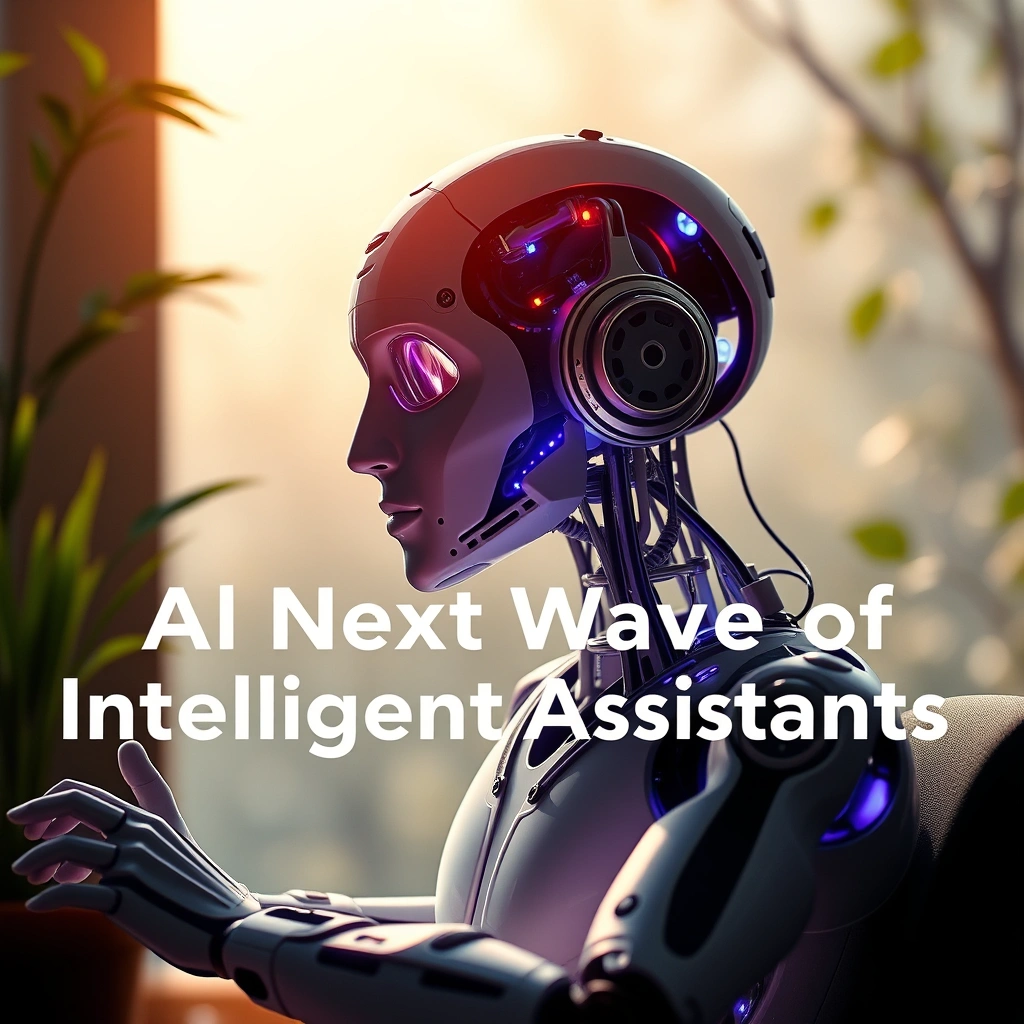
    AI Minds Rising: The Next Wave of Intelligent Assistants

    The Evolution of AI Assistants

    The world of technology is on the cusp of a revolution with the rise of AI Assistants. These intelligent systems are transforming the way we interact with devices, access information, and perform tasks. AI Assistants are becoming increasingly sophisticated, and their capabilities are expanding beyond simple voice commands. As we explore the next wave of AI Assistants, it’s essential to understand their current state, future prospects, and the impact they will have on our daily lives.

    Current State of AI Assistants

    AI Assistants have come a long way since their inception. Initially, they were limited to basic functions such as setting reminders, playing music, and answering simple queries. However, with advancements in natural language processing (NLP) and machine learning, AI Assistants can now understand complex requests, learn user preferences, and even anticipate their needs. For instance, virtual assistants like Amazon’s Alexa and Google Assistant have become an integral part of many households, controlling smart home devices, managing schedules, and providing entertainment.

    – Key Features of AI Assistants:
    – Voice recognition and synthesis
    – NLP and machine learning capabilities
    – Integration with various devices and services
    – Personalization and adaptability

    Advancements in NLP

    One of the significant drivers behind the evolution of AI Assistants is the progress made in NLP. This technology enables AI Assistants to comprehend human language, nuances, and context, making interactions more natural and intuitive. As NLP continues to improve, AI Assistants will become even more effective in understanding user requests and providing relevant responses.

    Applications of AI Assistants

    The applications of AI Assistants are vast and diverse, ranging from customer service and healthcare to education and entertainment. For example, AI-powered chatbots are being used by businesses to provide 24/7 customer support, while AI Assistants in healthcare are helping patients manage their conditions and access medical information.

    1. Customer Service: AI Assistants are revolutionizing customer service by providing personalized support and automating routine tasks.
    2. Healthcare: AI Assistants are being used to monitor patient health, provide medical guidance, and streamline clinical workflows.

    AI Assistants in Education

    AI Assistants are also transforming the education sector by creating personalized learning experiences, automating administrative tasks, and enhancing student engagement. For instance, AI-powered adaptive learning systems can adjust their content and difficulty level based on individual student needs.

    The Future of AI Assistants

    As AI technology continues to advance, we can expect AI Assistants to become even more sophisticated and integrated into our daily lives. Some potential developments on the horizon include:
    – Enhanced multimodal interactions (e.g., voice, text, gesture)
    – Increased emotional intelligence and empathy
    – Greater integration with IoT devices and services

    The future of AI Assistants is exciting, and it’s clear that they will play a significant role in shaping the way we interact with technology. To learn more about the latest developments in AI and stay ahead of the curve, visit khmuhtadin.com for expert insights and analysis. As we embark on this journey, one thing is certain – AI Assistants are here to stay, and their impact will be profound. With AI Assistants becoming increasingly prevalent, it’s essential to stay informed and explore the possibilities they offer. By doing so, we can unlock their full potential and create a more efficient, personalized, and connected world.
    By visiting khmuhtadin.com, you can discover more about the potential of AI Assistants and how they can transform your life and business. The possibilities are endless, and the future is bright. As AI Assistants continue to evolve, they will undoubtedly have a lasting impact on our daily lives, and being prepared is key. With the right information and resources, you can harness the power of AI Assistants and stay ahead of the curve. For the latest updates and expert advice on AI Assistants, we invite you to explore khmuhtadin.com.

    As the world of AI Assistants continues to grow and evolve, one thing is certain – the future is full of possibilities, and staying informed is the first step to unlocking their full potential. Visit khmuhtadin.com today.


  • Demystifying AI: How Machine Learning Transforms Business Operations

    Demystifying AI: How Machine Learning Transforms Business Operations

    Revolutionizing Business with AI

    The business world is undergoing a significant transformation, driven by the integration of Artificial Intelligence (AI) into various operations. At the heart of this revolution is AI Business, a concept that encompasses the application of machine learning and other AI technologies to enhance business processes, improve efficiency, and foster innovation. As companies continue to adopt AI solutions, understanding how AI Business works and its potential impact is crucial for staying ahead in today’s competitive landscape.

    Understanding AI Business Fundamentals

    AI Business is not just about adopting new technology; it’s about transforming the way businesses operate. Machine learning, a subset of AI, enables systems to learn from data, identify patterns, and make predictions or decisions without being explicitly programmed. This capability is being leveraged across various business functions, from customer service to supply chain management. For instance, companies like Netflix and Amazon use machine learning algorithms to personalize customer experiences, resulting in increased customer satisfaction and loyalty.

    Key Components of AI Business

    To successfully integrate AI into business operations, several key components must be in place:
    – Data quality and availability: High-quality data is essential for training effective machine learning models.
    – Advanced algorithms: Sophisticated algorithms are needed to analyze complex data sets and make accurate predictions.
    – Infrastructure: Robust IT infrastructure is required to support the processing and analysis of large data volumes.

    The Impact of AI on Business Operations

    The integration of AI Business is having a profound impact on various aspects of business operations. One of the most significant benefits is the automation of repetitive and mundane tasks, freeing up human resources for more strategic and creative work. For example, AI-powered chatbots are being used to handle customer inquiries, reducing the workload for human customer support agents and improving response times.

    Enhancing Decision-Making with AI

    AI Business is also transforming decision-making processes by providing businesses with data-driven insights. Machine learning models can analyze vast amounts of data to identify trends, predict outcomes, and recommend actions. This enables businesses to make more informed decisions, reduce risks, and capitalize on new opportunities. According to a report by McKinsey, companies that leverage AI for decision-making are more likely to outperform their competitors.

    Some examples of AI Business applications include:
    1. Predictive maintenance: AI-powered predictive maintenance can help companies reduce equipment downtime and improve overall efficiency.
    2. Personalized marketing: AI-driven marketing personalization can lead to increased customer engagement and conversion rates.
    3. Supply chain optimization: AI can be used to optimize supply chain operations, reducing costs and improving delivery times.

    As AI continues to evolve, its applications in business are becoming increasingly diverse. For more insights on AI and its applications, you can visit the IBM Artificial Intelligence page.

    Implementing AI Business Solutions

    To successfully implement AI Business solutions, companies need to develop a clear strategy and roadmap. This involves identifying areas where AI can add value, assessing data readiness, and selecting the right technologies and partners. It’s also crucial to foster a culture that embraces innovation and experimentation.

    Businesses can start by:
    – Identifying high-value use cases for AI
    – Developing a data strategy to support AI initiatives
    – Investing in the necessary infrastructure and talent

    Future of AI Business

    The future of AI Business looks promising, with advancements in areas like natural language processing, computer vision, and deep learning. As these technologies continue to evolve, we can expect to see even more innovative applications of AI in business. To stay ahead, businesses must remain agile and committed to leveraging AI for continuous improvement and innovation.

    As we look to the future, it’s clear that AI Business will play a critical role in shaping the business landscape. By understanding the fundamentals, applications, and potential of AI, businesses can unlock new opportunities and drive growth. For more information on how to get started with AI Business or to explore potential partnerships, feel free to visit khmuhtadin.com.

  • Boost Your Browser Speed with These 5 Hidden Tweaks

    Boost Your Browser Speed with These 5 Hidden Tweaks

    Unlocking Your Browser’s Full Potential

    Are you tired of sluggish browser performance? Does it take an eternity to load your favorite websites? Boosting your browser speed can greatly enhance your online experience. Browser speed is crucial for productivity, entertainment, and overall satisfaction. By implementing a few simple tweaks, you can significantly improve your browser’s performance and enjoy a seamless browsing experience.

    Optimizing Browser Settings for Better Speed

    One of the simplest ways to boost your browser speed is by optimizing its settings. Start by disabling any unnecessary extensions or add-ons that may be consuming system resources. You can do this by navigating to your browser’s settings or preferences menu and reviewing the list of installed extensions. Remove any that you no longer use or that are not essential to your browsing experience.

    Some extensions, such as ad blockers, can actually improve browser speed by reducing the amount of data that needs to be loaded. However, having too many extensions can slow down your browser. Consider alternatives like uBlock Origin, which is known for its efficiency and effectiveness.

    Managing Browser Cache and Cookies

    Another way to optimize your browser settings is by managing its cache and cookies. Clearing your browser’s cache and cookies regularly can help improve browser speed by removing unnecessary data that can slow down your browser. Most browsers allow you to clear this data in their settings or preferences menu.

    To clear your cache and cookies in Google Chrome, for example, follow these steps:
    1. Open Chrome and click on the three dots in the upper right corner
    2. Select “More tools” and then “Clear browsing data”
    3. Choose the types of data you want to clear, such as browsing history, cookies, and cached images
    4. Click “Clear data” to confirm

    Browser Speed: The Importance of Hardware Acceleration

    Hardware acceleration is a feature that allows your browser to use your computer’s graphics processing unit (GPU) to render web pages. This can significantly improve browser speed, especially for graphics-intensive websites. To enable hardware acceleration in your browser, follow these steps:
    1. Open your browser’s settings or preferences menu
    2. Search for “hardware acceleration” or “GPU acceleration”
    3. Enable the feature if it’s available

    Enabling hardware acceleration can improve browser speed by offloading graphics processing from your CPU to your GPU. This can result in faster page loading times and a smoother browsing experience.

    Choosing the Right Browser for Optimal Speed

    The browser you choose can also have a significant impact on browser speed. Some browsers are optimized for speed and performance, while others may be more focused on features and functionality. Consider using a browser like Google Chrome or Microsoft Edge, which are known for their speed and performance.

    Some key features to look for in a fast browser include:
    – Efficient JavaScript engine
    – Optimized rendering engine
    – Support for hardware acceleration
    – Regular updates and maintenance

    Alternative Browsers for Speed

    If you’re looking for alternative browsers that prioritize speed, consider options like:
    – Mozilla Firefox: Known for its speed and customization options
    – Opera: Features a built-in ad blocker and VPN for improved performance
    – Brave: Blocks ads and trackers by default, resulting in faster page loading times

    Additional Tips for Boosting Browser Speed

    In addition to optimizing your browser settings and choosing the right browser, there are several other ways to boost browser speed. These include:
    – Updating your browser regularly to ensure you have the latest performance optimizations
    – Closing unnecessary tabs and windows to free up system resources
    – Using a fast and reliable internet connection
    – Avoiding resource-intensive websites or applications

    By implementing these tweaks and tips, you can significantly improve your browser speed and enjoy a faster, more seamless online experience. For more tech tips and tricks, visit khmuhtadin.com to explore a wealth of resources and expert advice.

  • AI Illuminates Hidden Biases in Hiring Processes

    AI Illuminates Hidden Biases in Hiring Processes

    Uncovering the Unseen: How AI Reveals Bias in Recruitment

    The hiring process is a complex and often opaque system, with numerous factors influencing the outcome. Despite the best intentions, biases can creep into the process, affecting the diversity and quality of the candidate pool. This is where AI hiring comes into play, leveraging artificial intelligence to illuminate hidden biases and promote fairness in recruitment. By analyzing vast amounts of data, AI systems can identify patterns and anomalies that may elude human recruiters, providing a more objective and equitable hiring process.

    The Role of AI in Hiring: A New Era of Transparency

    AI hiring is revolutionizing the recruitment landscape by introducing a level of transparency and accountability previously unimaginable. By using machine learning algorithms to analyze resumes, cover letters, and other application materials, AI systems can identify top candidates based on merit rather than personal characteristics. This not only reduces the risk of unconscious bias but also enables organizations to tap into a more diverse talent pool.

    Key Benefits of AI Hiring

    – Improved objectivity in candidate selection
    – Enhanced diversity and inclusion through reduced bias
    – Increased efficiency in the hiring process
    – Better candidate matching through data-driven insights
    Some notable companies, such as Textio, are already harnessing the power of AI hiring to optimize their recruitment processes.

    Identifying and Mitigating Bias with AI

    One of the primary advantages of AI hiring is its ability to detect and mitigate bias in the recruitment process. By analyzing data from various sources, AI systems can identify biases related to factors such as:
    1. Gender
    2. Ethnicity
    3. Age
    4. Socioeconomic background
    This information can then be used to adjust the hiring process, ensuring that it is fair and equitable for all candidates. For instance, AI-powered tools can help organizations avoid language bias in job postings, as demonstrated by research from Glassdoor.

    Implementing AI Hiring: Best Practices

    To maximize the benefits of AI hiring, organizations must implement it thoughtfully. Key best practices include:
    1. Ensuring the AI system is trained on diverse and representative data sets
    2. Regularly auditing the AI system for bias and fairness
    3. Combining AI-driven insights with human judgment and oversight
    By following these guidelines, organizations can harness the power of AI hiring to create a more inclusive and effective recruitment process.

    The Future of AI Hiring: Opportunities and Challenges

    As AI continues to evolve and improve, its role in hiring is likely to become even more significant. While there are challenges to be addressed, such as ensuring the transparency and explainability of AI-driven decisions, the potential benefits are substantial. By embracing AI hiring, organizations can create a more equitable and efficient recruitment process, ultimately driving business success.

    Organizations looking to explore the potential of AI hiring can start by assessing their current recruitment processes and identifying areas for improvement. For those seeking guidance on implementing AI-driven solutions, resources are available at khmuhtadin.com.

  • Unlock AI-Driven Productivity

    Unlock AI-Driven Productivity

    Boosting Efficiency with AI Productivity

    The quest for productivity is a never-ending journey for individuals and organizations alike. With the advent of artificial intelligence (AI), the landscape of productivity has undergone a significant transformation. AI productivity is no longer a buzzword; it’s a reality that’s changing the way we work and live. By harnessing the power of AI, individuals can streamline their workflows, automate mundane tasks, and focus on high-value activities that drive growth and innovation.

    Understanding AI Productivity

    AI productivity refers to the use of artificial intelligence technologies to enhance and optimize work processes. It’s about leveraging machine learning algorithms, natural language processing, and other AI capabilities to make work easier, faster, and more efficient. The benefits of AI productivity are numerous, ranging from increased accuracy and reduced errors to enhanced decision-making and improved work-life balance.

    Key Areas Where AI Productivity Shines

    AI productivity is making a significant impact in various areas, including:
    – Task automation: AI-powered tools can automate repetitive and mundane tasks, freeing up time for more strategic and creative work.
    – Data analysis: AI can quickly process and analyze large datasets, providing valuable insights that inform business decisions.
    – Virtual assistance: AI-powered virtual assistants can help with scheduling, email management, and other administrative tasks.

    Some examples of AI productivity tools include virtual assistants like Siri, Google Assistant, and Alexa, as well as AI-powered project management tools like Trello and Asana. According to a report by Gartner, the global AI software market is expected to reach $53.2 billion by 2022, highlighting the growing demand for AI productivity solutions.

    Implementing AI Productivity in Your Workflow

    Implementing AI productivity in your workflow requires a strategic approach. Here are some steps to get you started:
    1. Identify areas where AI can add value: Start by identifying tasks and processes that are repetitive, time-consuming, or prone to errors.
    2. Choose the right AI tools: Explore different AI productivity tools and platforms to find the ones that best fit your needs.
    3. Integrate AI into your workflow: Once you’ve selected the right tools, integrate them into your workflow and start automating tasks and processes.

    For instance, you can use AI-powered tools like Zapier to automate workflows across different apps and services. By automating routine tasks, you can free up more time to focus on high-value activities that drive growth and innovation.

    Maximizing AI Productivity

    To maximize AI productivity, it’s essential to strike the right balance between human intuition and AI capabilities. While AI can process vast amounts of data and perform tasks with precision, human judgment and creativity are still essential for making strategic decisions and driving innovation.

    Best Practices for AI Productivity

    To get the most out of AI productivity, follow these best practices:
    – Start small: Begin with small-scale AI productivity projects and gradually scale up.
    – Monitor and adjust: Continuously monitor the performance of AI productivity tools and adjust as needed.
    – Focus on high-value tasks: Use AI to automate routine tasks and free up time for high-value activities.

    By embracing AI productivity, individuals and organizations can unlock new levels of efficiency, innovation, and growth. As AI continues to evolve and improve, the potential for AI productivity will only continue to grow.

    Unlocking the Full Potential of AI Productivity

    The future of work is AI-driven, and embracing AI productivity is key to staying ahead of the curve. By understanding the benefits and applications of AI productivity, individuals and organizations can unlock new opportunities for growth and innovation. With the right strategies and tools, you can harness the power of AI to boost your productivity and achieve your goals. For more information on how to leverage AI productivity, visit khmuhtadin.com to explore more resources and expert insights.