Author: Dax

  • Will AI Replace Creatives By 2030?

    Will AI Replace Creatives By 2030?

    Introduction

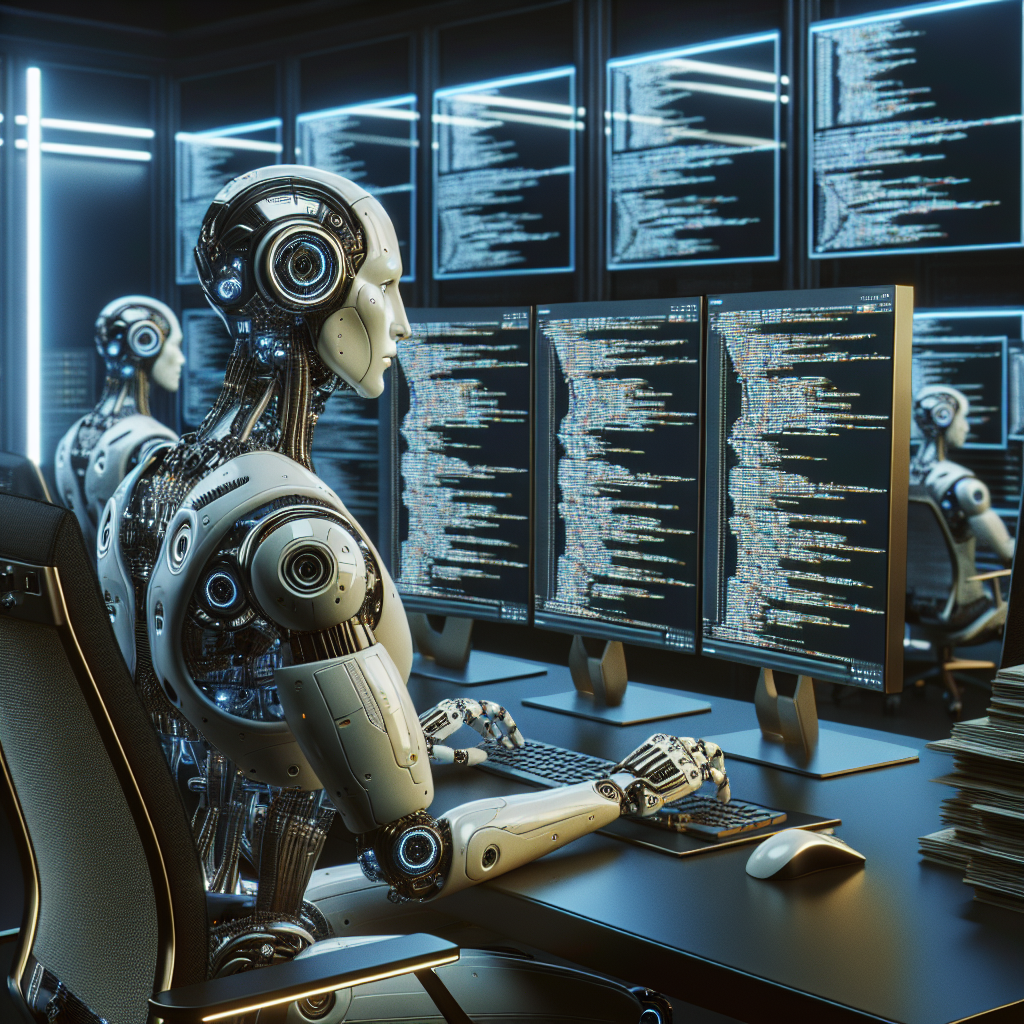
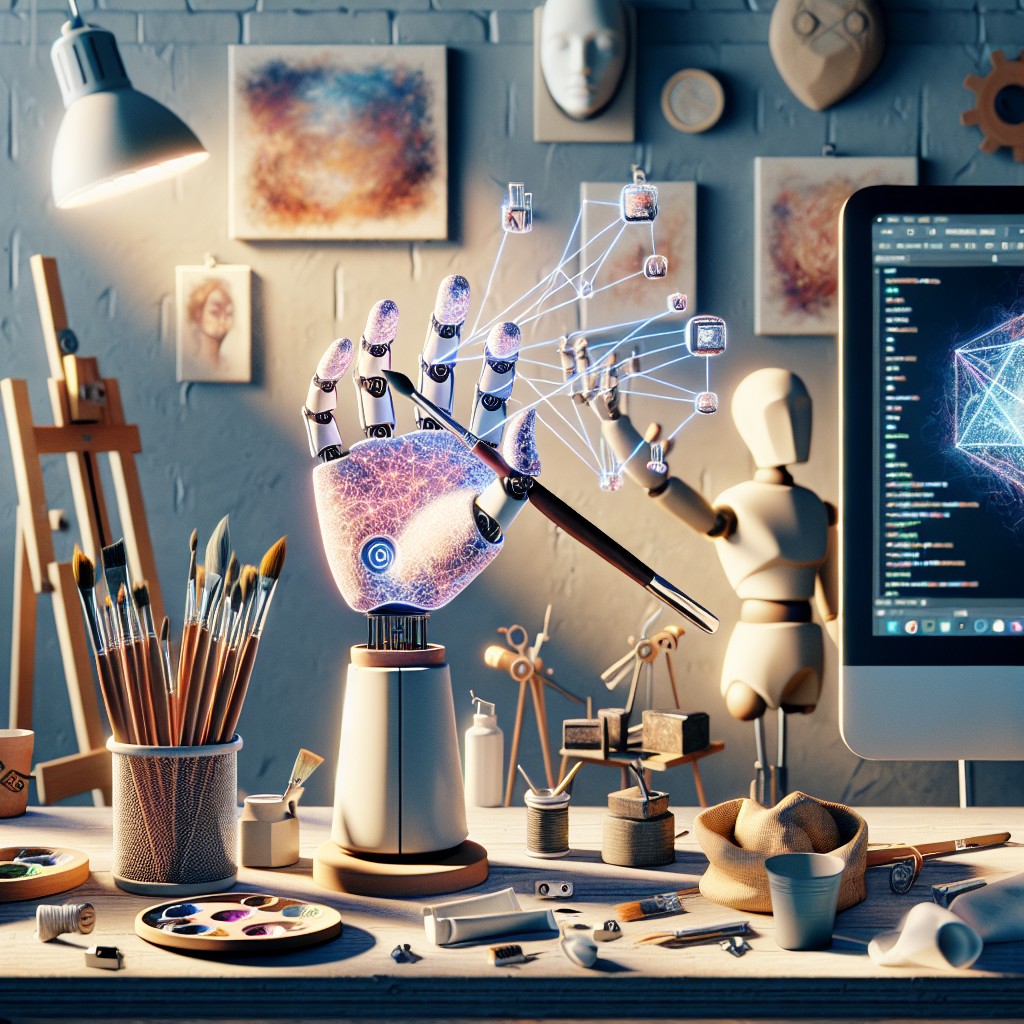
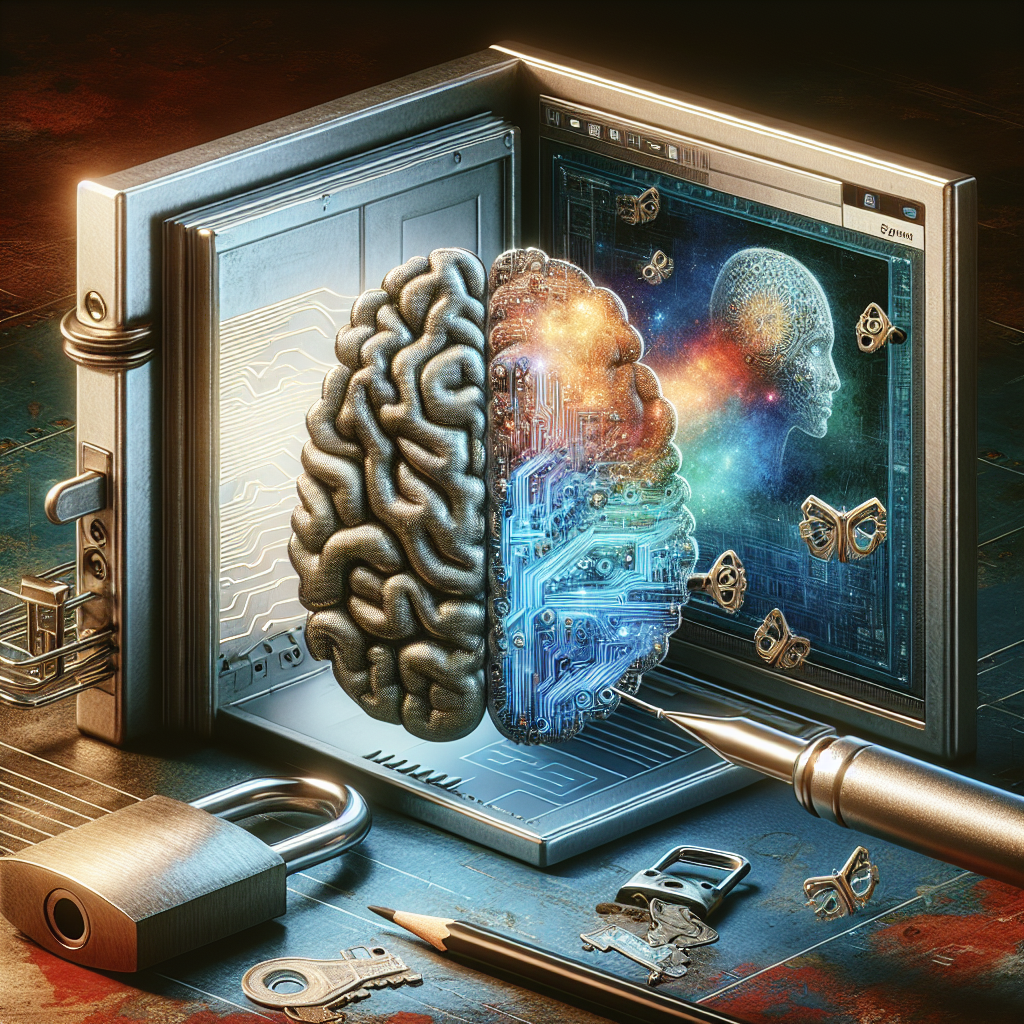
    The rapid advancement of artificial intelligence technology has sparked widespread debate around the future role of human creativity in various industries. One of the most compelling questions today is: Will AI replace creatives by 2030? The concept of AI creative replacement involves machines taking over tasks traditionally performed by creative professionals such as artists, writers, designers, and musicians. This article explores the current state of AI creative capabilities, evaluates the potential for AI to replace human creatives by 2030, and offers actionable insights for creatives navigating this transformational landscape.

    Understanding AI Creative Replacement

    AI creative replacement refers to the use of artificial intelligence systems to generate, assist, or fully produce creative work. These AI tools can generate art, compose music, write stories, design graphics, and even develop complex creative strategies. Examples include AI-powered design platforms, language models capable of creative writing, and generative adversarial networks (GANs) that create novel images or videos.

    The increasing sophistication of these AI systems has sparked concerns about the future relevance of human creatives. If AI can produce creative content quickly, cost-effectively, and at scale, will there still be a demand for human originality and emotional connection by 2030?

    Current AI Capabilities in Creative Fields

    To assess the likelihood of AI creative replacement by 2030, it is important to understand what AI can and cannot do today.

    – Artistic Creation: AI algorithms can generate paintings and digital artwork that often mirror the styles of famous artists. GANs can create new visual compositions that are both unique and compelling. However, these creations typically lack the nuanced human experience or intentionality behind traditional artistic work.

    – Writing and Content Generation: Advanced language models can now craft coherent articles, poetry, marketing copy, and short stories. While AI can produce large volumes of text, true narrative depth, cultural context, and emotional resonance usually require human input and editorial refinement.

    – Music Composition: AI systems can compose melodies, harmonies, and beats, often tailored to specific genres or moods. Yet, these compositions may lack the rich emotional storytelling or improvisational flair that characterize many human musical performances.

    – Design and Multimedia: AI tools can automate graphic design, video editing, and even generate concept art based on brief prompts. These applications enhance productivity but typically function best as collaborative assistants helping creatives rather than fully replacing them.

    Challenges Facing AI Creative Replacement by 2030

    Several core challenges limit the potential for AI to replace creatives entirely within the next decade.

    – Emotional Intelligence and Empathy: Creativity is deeply tied to human emotion, empathy, and shared experiences. Current AI lacks genuine consciousness and emotional understanding, limiting its ability to create fully authentic human-centered work.

    – Originality vs. Imitation: Most AI creative models operate by learning from existing datasets, which predisposes them to mimicry rather than true originality or breakthrough innovation.

    – Ethical and Cultural Nuances: Creative works often engage with complex cultural, political, and ethical issues. AI struggles to navigate these nuances without human guidance, raising concerns about appropriateness, bias, and sensitivity.

    – Collaboration and Context: Creativity frequently emerges from collaboration and contextual awareness. AI systems currently lack the ability to fully grasp social dynamics or long-term project goals.

    Potential Roles of AI as a Creative Collaborator

    Instead of viewing AI creative replacement as a threat, many experts foresee AI becoming an indispensable collaborator that amplifies human creativity by 2030. This approach leverages the strengths of both humans and machines:

    – Idea Generation: AI can quickly generate a multitude of concepts or drafts, providing creatives with a rich source of inspiration and reducing the initial creative block.

    – Automation of Routine Tasks: By handling repetitive or technical aspects such as photo retouching, layout formatting, or transcription, AI frees up human creatives to focus on higher-level strategic and emotional work.

    – Personalization at Scale: AI can analyze audience preferences and customize creative content for different demographics, enhancing engagement and relevance without sacrificing artistic intent.

    – Experimentation and Innovation: AI’s ability to synthesize diverse datasets and simulate novel scenarios can help creatives explore innovative styles and formats previously beyond reach.

    Preparing for the Future: How Creatives Can Thrive with AI

    To successfully navigate the wave of AI creative replacement, human creatives should focus on the following strategies:

    – Emphasize Emotional and Cultural Intelligence: Develop skills that require empathy, cultural literacy, and nuanced interpretation — qualities AI cannot replicate.

    – Master AI Tools and Collaborate: Learn to harness AI-powered creative platforms as collaborators and productivity enhancers rather than competitors.

    – Invest in Interdisciplinary Skills: Combining creativity with skills in technology, data analysis, and storytelling will increase resilience and versatility.

    – Cultivate Unique Personal Voice: Build a distinctive style and authentic creative perspective that stands apart from algorithm-generated content.

    – Stay Informed on AI Developments: Keep abreast of AI trends and ethical considerations to anticipate opportunities and challenges.

    Conclusion

    The question “Will AI replace creatives by 2030?” does not have a simple yes or no answer. While AI will certainly transform creativity, automating many routine and idea-generation tasks, complete AI creative replacement is unlikely within the next decade due to constraints related to emotional depth, originality, and cultural sensitivity. Instead, the future will likely feature a hybrid creative landscape where human intuition and AI efficiency coexist, driving innovation to new heights. Creatives who proactively adapt by embracing AI as a collaborator and honing uniquely human skills will not only survive but thrive in this evolving environment.

    By understanding AI creative replacement and its implications, creatives and organizations can better prepare for the opportunities and challenges ahead, ensuring that human creativity remains central to art, culture, and innovation well beyond 2030.

  • Boost Your Wi-Fi Now Simple Tricks

    Boost Your Wi-Fi Now Simple Tricks

    Introduction

    In today’s connected world, a fast and reliable Wi-Fi connection is essential for work, entertainment, and communication. If you find your internet speed lagging or your Wi-Fi signal dropping frequently, it’s time to boost your Wi-Fi. This article provides simple, practical tricks that anyone can implement to improve Wi-Fi speed and coverage in their home or office.

    Why You Need to Boost Wi-Fi

    Boosting your Wi-Fi enhances your internet experience by reducing buffering during streaming, improving download speeds, and creating a more stable connection for multiple devices. Whether you are gaming online, attending video calls, or just browsing the web, a strong Wi-Fi network is critical to avoid frustration and wasted time.

    How to Boost Wi-Fi: Essential Tips and Tricks

    1. Choose the Best Router Placement

    One of the simplest ways to boost Wi-Fi is by positioning your router effectively. Place it in a central location free from obstructions like walls and furniture. Elevate your router off the floor, ideally on a shelf or table. Avoid placing it near devices that emit electromagnetic interference, such as microwaves or cordless phones.

    2. Update Your Router Firmware

    Manufacturers frequently release firmware updates that can improve router performance and security. Log into your router’s admin panel and check for available updates. Keeping your router firmware up-to-date can help boost Wi-Fi speed and stability by fixing bugs and enhancing compatibility with new devices.

    3. Use a Strong Wi-Fi Password

    Prevent unauthorized users from slowing your network by securing your Wi-Fi with a strong password. Use a combination of letters, numbers, and symbols to create a password that’s difficult to guess. This boosts Wi-Fi security and ensures bandwidth is reserved for your devices only.

    4. Upgrade to Modern Wi-Fi Standards

    Older routers may not support the fastest Wi-Fi standards. Consider upgrading to a router that supports Wi-Fi 5 (802.11ac) or Wi-Fi 6 (802.11ax) for better speed, range, and simultaneous device handling. Newer standards boost Wi-Fi by increasing data transfer rates and reducing congestion.

    5. Change Wi-Fi Channels to Reduce Interference

    Wi-Fi operates on specific frequency channels, and interference from neighboring networks can slow your connection. Use a Wi-Fi analyzer tool to identify the least congested channels and switch your router settings accordingly. This can boost Wi-Fi performance by reducing overlap and interference.

    6. Use a Wi-Fi Extender or Mesh Network

    If your home or office has dead zones or weak signal areas, use a Wi-Fi extender or set up a mesh Wi-Fi system. Extenders rebroadcast your signal to farther corners, while mesh networks use multiple nodes for consistent high-speed coverage throughout your space. Both options help boost Wi-Fi where it traditionally struggles.

    7. Disable Unused Devices and Background Apps

    Too many connected devices or apps running in the background can drain your bandwidth. Disconnect devices not in use and close unnecessary applications on your devices to concentrate bandwidth on critical activities. This simple step can boost Wi-Fi speed during your most demanding tasks.

    8. Use Ethernet for Stationary Devices

    Where possible, connect stationary devices like desktops, smart TVs, or gaming consoles directly to your router using Ethernet cables. Wired connections are faster and more stable than wireless, which helps free up Wi-Fi bandwidth and boosts your wireless network’s overall performance.

    9. Enable Quality of Service (QoS) Settings

    Many modern routers include Quality of Service (QoS) options that prioritize critical traffic such as video calls, gaming, or streaming. Configure your router’s QoS settings to give bandwidth priority to the applications and devices that matter most, thus boosting Wi-Fi efficiency and reducing lag.

    10. Restart Your Router Regularly

    Restarting your router clears its cache and can solve many slow Wi-Fi issues. Set a schedule to reboot your router weekly or whenever you notice a drop in performance. This simple trick can boost Wi-Fi by refreshing connections and improving speed.

    Conclusion: Boost Wi-Fi with These Simple Tricks

    Boosting your Wi-Fi doesn’t require expensive equipment or technical expertise. By applying these simple tricks—from optimizing router placement to upgrading hardware—you can significantly improve your internet speed and coverage. Regular maintenance and smart configuration will ensure your Wi-Fi stays fast, reliable, and ready for all your connected needs. Start implementing these tips today and experience the difference a boosted Wi-Fi connection can make.

  • Unlocking Creativity How AI Generates Art Today

    Unlocking Creativity How AI Generates Art Today

    Unlocking Creativity: How AI Generates Art Today

    Introduction

    Artificial Intelligence (AI) has increasingly transformed various sectors, including the creative industries. Among the most exciting developments is AI art—artwork generated or enhanced by intelligent algorithms that mimic human creativity. Today, AI art bridges technology and imagination, enabling artists, designers, and enthusiasts to explore new dimensions in creativity. This article delves into how AI generates art today, exploring the technologies behind it, the creative processes involved, and the impact AI art has on artistic expression.

    Understanding AI Art: What Is It?

    AI art refers to art created with the assistance or full autonomy of artificial intelligence systems. Unlike traditional art, where human hands execute creative ideas, AI art emerges from machines trained on vast datasets, learning patterns and styles to produce original or derivative works. The primary technologies enabling AI art include neural networks, generative adversarial networks (GANs), and deep learning algorithms. These systems analyze thousands of images or styles and generate new visuals that can be abstract, realistic, or stylistically blended.

    How AI Generates Art Today: Key Technologies and Methods

    1. Generative Adversarial Networks (GANs)

    GANs are at the forefront of AI art generation. They consist of two neural networks—the generator and the discriminator—that compete with each other. The generator produces images, while the discriminator evaluates their authenticity. Over time, the generator creates highly refined images resembling training data or completely novel visuals. GAN-based AI art has been used to create portraits, landscapes, and even surrealistic compositions, pushing the boundaries of digital creativity.

    2. Style Transfer Algorithms

    Style transfer uses AI to combine the content of one image with the style of another. For example, a photo can be rendered in the style of Van Gogh or Picasso. This process allows artists to reimagine their work or famous artworks in new contexts. Style transfer provides a powerful tool for artists seeking inspiration or unique aesthetic results without manually replicating complex styles.

    3. Neural Networks and Deep Learning

    Deep learning models analyze extensive datasets to learn features and structures within images. These algorithms can autonomously generate art by predicting pixels or brush strokes that create coherent images. Techniques such as variational autoencoders (VAEs) and convolutional neural networks (CNNs) help in crafting AI art ranging from abstract patterns to detailed illustrations.

    4. Text-to-Image Generation

    Recent advances in AI enable text prompts to generate images through models like DALL·E, Midjourney, or Stable Diffusion. By inputting descriptive text, users can witness AI art renderings that match their vision, facilitating rapid prototyping and experimentation. This method opens AI art creation to those without traditional artistic skills, democratizing the creative process.

    Practical Applications of AI Art Today

    1. Enhancing Traditional Art Practices

    Artists incorporate AI art tools to complement their work, using AI to generate new ideas, styles, or background elements. AI acts as a creative collaborator, helping overcome blocks or introducing unexpected aesthetics.

    2. Commercial Design and Advertising

    Brands leverage AI art to create unique visuals, logos, and marketing materials quickly. AI-generated art offers cost-effective and innovative solutions for campaigns, reducing reliance on stock images or conventional design.

    3. Entertainment and Media

    AI art supports content creation in video games, movies, and animations by generating concept art, textures, and character designs. This speeds up development cycles and enriches visual storytelling.

    4. Personalized Art Experiences

    AI art applications enable users to generate personalized art based on their preferences or data inputs. This customization fosters deeper engagement and offers new artistic interactions.

    Challenges and Ethical Considerations in AI Art

    While AI art presents exciting opportunities, it also raises questions around authorship, copyright, and creative originality. Determining ownership of AI-generated works is complex, especially when algorithms learn from existing artists’ creations. Additionally, critiques argue that AI art may lack the emotional depth or intentionality of human-generated art. Addressing these concerns involves transparent AI usage, clear legal frameworks, and ongoing dialogue within the creative community.

    Future Trends: Where AI Art Is Headed

    AI art continues to evolve rapidly. Expect enhanced interactivity where users can co-create in real time with AI systems. Advances in multimodal AI—combining text, visuals, sound, and motion—will open multidimensional creative possibilities. Furthermore, AI art platforms may integrate more intuitive interfaces, making creative AI accessible to broader, non-expert audiences. As AI-generated art gains legitimacy in galleries and markets, it will redefine the concept of creativity itself.

    Conclusion

    AI art represents a groundbreaking fusion of technology and creative expression, unlocking new potentials in how art is conceived and produced. By understanding how AI generates art today—including the technologies, applications, and challenges—we appreciate its transformative role in contemporary creativity. Whether you are an artist, designer, or enthusiast, embracing AI art offers a path to explore uncharted artistic territories and expand the boundaries of imagination.

    URL Slug: unlocking-creativity-how-ai-generates-art-today

  • AI That Codes Itself  Fact or Fiction

    AI That Codes Itself Fact or Fiction

    Introduction to AI Coding: Fact or Fiction

    Artificial intelligence (AI) has made remarkable strides in recent years, transforming industries and redefining the boundaries of technology. Among the most intriguing and debated concepts is the idea of AI coding itself—machines capable of generating, improving, and even debugging their own code autonomously. But is AI coding that writes and refines its own programs truly a reality, or just speculative fiction fueled by science fiction narratives and media hype? In this article, we explore the current landscape of AI coding, the advancements enabling machines to engage in programming tasks, and the realistic prospects for AI systems that can code themselves in the near future.

    Understanding AI Coding: The Basics

    AI coding refers to the use of artificial intelligence techniques to generate computer programs autonomously or with limited human intervention. This concept encompasses a range of technologies and methods, including machine learning models that assist human programmers, automated code generation tools, and advanced AI systems with the ability to modify their own source code or create entirely new applications. At its core, AI coding aims to reduce manual coding effort, increase productivity, and enable software to evolve dynamically.

    Historically, automated coding efforts began with simple code generators and script automation. Recent breakthroughs involving natural language processing (NLP), neural networks, and reinforcement learning have dramatically expanded the capabilities of AI in coding. For example, language models trained on massive datasets of code and programming languages can now produce syntactically correct snippets, understand programming requirements, and perform code completion tasks.

    Key Developments in AI Coding Technology

    1. AI-Powered Code Assistants

    One of the most significant realizations of AI coding today are AI-powered code assistants like GitHub Copilot, OpenAI’s Codex, and similar tools. These models leverage extensive training data to suggest code snippets, auto-complete statements, and even write entire functions based on natural language prompts. They dramatically accelerate development cycles by enabling developers to bridge the gap between idea and executable code fast.

    2. Automated Code Generation

    Tools that generate boilerplate code, APIs, or basic application structures are becoming widespread. Automated code generation frameworks can produce reliable and reusable code segments with minimal human input. This branch of AI coding improves efficiency, especially for repetitive tasks, though it still requires oversight to ensure functionality and security.

    3. AI in Code Debugging and Optimization

    AI coding isn’t limited to producing new code; it also involves the analysis and improvement of existing software. Machine learning models can identify bugs, security vulnerabilities, and optimization opportunities more quickly than traditional methods in some cases. This improves software quality and reduces time spent on maintenance.

    4. Self-Modifying Code and Autonomous AI Coding Systems

    The most speculative and ambitious aspect of AI coding involves self-modifying software—AI programs capable of understanding their own architecture and rewriting their own code to enhance performance or adapt to new conditions. Current research in this domain focuses on meta-learning and reinforcement learning techniques where an AI agent “learns to learn” and improves its programming strategies autonomously.

    Challenges Limiting Fully Autonomous AI Coding

    Despite impressive advancements, fully autonomous AI coding—where software independently writes, tests, and deploys new code without human participation—remains limited by several factors:

    – Contextual Understanding: Writing robust software demands deep comprehension of user requirements, business logic, and edge cases, which AI models struggle to fully grasp.

    – Creativity and Design: Coding often requires creative problem-solving, architectural design, and intuition—traits that machines currently cannot replicate at the level of experienced human developers.

    – Quality Assurance: Automated systems may produce syntactically correct code that is functionally flawed or insecure. Human review remains essential to ensure safety and maintainability.

    – Ethical and Security Considerations: Self-modifying code poses risks if not carefully controlled, including unintended consequences or exploitation by malicious actors.

    Use Cases Where AI Coding Excels Today

    While fully autonomous AI coding is not yet mainstream, hybrid human-AI workflows yield remarkable benefits:

    – Code Suggestion and Completion: Speeding up routine programming tasks and reducing syntax errors.

    – Automated Testing and Bug Detection: Improving software reliability with AI-augmented testing tools.

    – Low-Code and No-Code Platforms: Empowering non-programmers to build applications with AI-assisted visual interfaces.

    – Code Translation and Refactoring: Assisting developers in migrating legacy codebases to modern languages or standards.

    Future Prospects for AI That Codes Itself

    The trajectory of AI coding suggests increasing automation and intelligence in programming. Research efforts continue to enhance models’ ability to understand high-level requirements, reason about software logic, and self-improve over iterations. Advances in explainable AI, reinforcement learning, and software engineering methodologies could pave the way for more autonomous AI coding agents capable of handling complex development tasks.

    However, it is likely that fully self-coding AI will complement human expertise rather than fully replace it. Software development is a collaborative, creative endeavor influenced by social, ethical, and contextual factors that require human judgment. AI coding will evolve as an indispensable partner rather than an autonomous creator in most scenarios.

    Conclusion: AI Coding – A Powerful Tool, Not Magic

    AI coding that writes and improves code autonomously blends fact and fiction. While we have witnessed transformative progress in AI-powered coding assistants, automated generation, and intelligent debugging, the vision of AI that completely codes itself remains an emerging frontier filled with challenges. Effective AI coding today involves collaborative systems where humans and AI augment each other’s strengths.

    As research advances and technology matures, AI coding will become increasingly sophisticated, reducing developer workload, raising software quality, and enabling innovative applications. Yet the art and science of programming will still depend on human creativity, insight, and oversight for the foreseeable future.

    For businesses and developers eager to harness AI coding technology, embracing current tools and preparing for gradual integration of more autonomous capabilities is the best strategy to stay ahead in this rapidly evolving field.

  • Will AI Write Better Code Than Humans Soon

    Will AI Write Better Code Than Humans Soon

    Introduction

    Artificial Intelligence (AI) has transformed various industries, and software development is no exception. A prominent question among developers and tech enthusiasts is whether AI code will soon outperform human-written code. With rapid advancements in machine learning models, code generation tools, and AI-assisted programming environments, the prospect of AI code revolutionizing software development is closer than ever. This article explores the current state of AI code, its benefits and limitations, and what the future holds for AI code compared to human programmers.

    Understanding AI Code and Its Evolution

    AI code refers to computer programs generated or assisted by artificial intelligence systems. These systems can range from code completion tools like GitHub Copilot to advanced deep learning models capable of producing complex algorithms autonomously. Early AI code tools assisted developers by predicting the next lines of code or offering snippets based on context. Today’s AI code generation systems are more sophisticated, capable of understanding the nuances of programming languages, debugging, and even optimizing code for performance.

    The Evolution of AI Code Tools

    AI code generation began with rule-based systems and simple autocomplete features. The introduction of neural networks and transformer models has revolutionized how AI understands programming languages. Tools now can analyze user intent and generate multiple lines or functions, significantly speeding up the development process. Ongoing research in AI code focuses on improving semantic understanding and adaptability to different coding styles.

    Benefits of AI Code in Software Development

    Faster Development Cycles

    One of the most significant advantages AI code offers is accelerating software development. Developers can leverage AI-generated code snippets or entire functions, reducing manual coding time. This allows teams to deploy applications rapidly and iterate faster based on user feedback.

    Reduced Human Error

    AI code generation tools can enforce coding standards and best practices consistently. This consistency lowers the likelihood of introducing simple but costly bugs such as syntax errors or incorrect variable assignments. AI can also highlight potential errors during the coding process, enabling developers to fix issues early.

    Enhanced Productivity and Creativity

    AI code tools handle repetitive or boilerplate code, freeing developers to focus on complex logic and creative problem-solving. By automating routine tasks, AI code fosters more innovative approaches in software architecture and design.

    Bridging Skill Gaps

    AI code can support developers with less experience by providing code examples and recommendations that follow best practices. This democratizes programming, allowing a wider range of individuals to contribute effectively to projects.

    Limitations of AI Code Today

    Understanding Context and Intent

    Although AI code models have advanced significantly, they still struggle with fully grasping the broader context or specific requirements behind software projects. Human intuition remains crucial for understanding user needs and system constraints, something AI code cannot replicate entirely.

    Handling Complex Logic

    AI code generation tools are often reliable for routine tasks but can falter when tasked with highly complex algorithms or domain-specific logic. Human expertise is still necessary for designing robust solutions that meet intricate business or technical needs.

    Code Maintainability and Readability

    Maintaining and understanding AI-generated code can pose challenges if the code lacks clear structure or documentation. Developers must review and refine AI code to ensure it aligns with project standards and is maintainable over the long term.

    Ethical and Security Concerns

    AI code can inadvertently introduce security vulnerabilities if the training data includes insecure patterns. Additionally, reliance on AI-generated code raises ethical questions about authorship, accountability, and the originality of software products.

    Is AI Code Better Than Human Code?

    The question of whether AI code will surpass human code soon depends on various factors, including the context in which code is produced, the complexity of the task, and the criteria for performance. Currently, AI code excels in assisting developers, automating repetitive tasks, and speeding up development cycles. However, for novel, highly specialized, or mission-critical applications, human expertise remains indispensable.

    AI code is a powerful tool that can complement human programmers rather than replace them entirely. Combining the strengths of AI code and human creativity leads to higher-quality software and more efficient workflows.

    Practical Strategies to Harness AI Code Effectively

    Integrate AI Code Tools Gradually

    Start incorporating AI code generation in development workflows for tasks like code completion, syntax error detection, or generating test cases. This approach allows teams to evaluate the tool’s benefits without fully relying on it.

    Maintain Human Oversight

    Always review AI-generated code carefully. Developers should validate, test, and, if necessary, modify the AI code before integrating it into production systems to ensure reliability and security.

    Focus on Collaboration

    Use AI code to enhance collaboration among team members by sharing AI-generated code snippets and encouraging discussions about improvements, alternatives, and best practices.

    Stay Updated on AI Code Advances

    The field of AI code generation is evolving rapidly. Developers and organizations should stay informed about tools, frameworks, and best practices to maximize AI code’s advantages.

    Future Outlook: Will AI Code Replace Human Coders?

    While AI code generation will continue to improve, it is unlikely to fully replace human coders in the near future. Instead, AI code will reshape the role of software developers, shifting their focus toward higher-level design, system integration, and creative problem-solving. The synergy between AI code and human expertise promises more innovative, efficient, and reliable software development.

    The integration of AI code in education, professional training, and development environments also suggests that future programmers will be fluent in collaborating with AI systems, enhancing their productivity and capabilities.

    Conclusion

    AI code is rapidly transforming software development by enhancing speed, reducing errors, and supporting creativity. Although AI code will not soon outperform human coders in all areas, it is a powerful complementary tool that improves programming workflows. Developers who embrace AI code tools while maintaining human judgment and expertise will be best positioned to thrive in the future of software engineering. As AI code technology advances, the collaboration between humans and machines will redefine how code is written and optimized, leading to a new era of innovation.

  • Master Your Smartphone Battery Life Today

    Introduction

    Mastering your smartphone battery life is essential in today’s fast-paced world where staying connected is a priority. Whether you are a casual user or a power user, understanding effective battery tips can extend the time between charges, improve your device’s performance, and even prolong the overall lifespan of your battery. In this comprehensive guide, you will learn actionable battery tips that help you optimize your smartphone’s energy consumption and reduce battery drain.

    Why Mastering Smartphone Battery Life Matters

    Your smartphone battery is the heart of your device’s functionality. When the battery life is poor, it affects everything from your ability to communicate, work, enjoy media, and use apps efficiently. By mastering battery tips, you gain control over your phone’s power usage, avoid unexpected shutdowns, and make your device more reliable throughout the day.

    Understanding Your Battery and Usage Patterns

    Before implementing battery tips, it’s important to understand how your smartphone battery works and what drains it the most. Most smartphones use lithium-ion batteries that degrade over time due to charging habits, app usage, and environmental factors. Common battery-draining elements include screen brightness, background apps, connectivity features (Wi-Fi, Bluetooth), and location services.

    Battery Tips to Maximize Smartphone Battery Life

    Optimize Screen Brightness and Timeout Settings

    The screen is the largest consumer of smartphone battery. Adjusting brightness to auto or manually reducing it to a comfortable level can drastically improve battery life. Additionally, shorten the screen timeout duration so the display turns off quickly when not in use.

    Enable Battery Saver or Low Power Modes

    Most smartphones come with built-in battery saver modes that limit background processes, reduce visual effects, and turn off unnecessary features. Activating these modes during critical times can extend battery life significantly without compromising essential functions.

    Manage Background Apps and Notifications

    Apps running in the background or frequently sending notifications consume battery power. Review your app settings and disable background activity for apps you don’t need active all the time. Limiting push notifications also reduces battery drain.

    Turn Off Unnecessary Connectivity Features

    Wi-Fi, Bluetooth, GPS, and NFC can drain battery when left on continuously. Turn off these features when you are not using them. For example, disable Wi-Fi and Bluetooth in places without connections, and use location services only when required.

    Use Dark Mode or Dark Themes

    If your smartphone has an OLED or AMOLED display, using dark mode or dark themes can save battery since these displays consume less power displaying black or darker pixels compared to bright colors.

    Update Apps and System Software Regularly

    Developers frequently release updates that optimize battery usage and fix bugs leading to excessive battery drain. Keeping your apps and system up to date ensures you benefit from these improvements.

    Limit High-Performance Apps and Settings

    Gaming, video streaming, and using multiple high-demand apps simultaneously impact battery life. Limit usage of such power-intensive activities or take breaks to allow your phone’s battery to recover.

    Charge Smartly to Preserve Battery Health

    Avoid letting your battery drain to 0% or charge to 100% constantly, as these extremes can reduce battery longevity. Instead, aim for maintaining your battery charge between 20% and 80% for optimal health.

    Steps to Monitor Your Battery Usage Effectively

    Modern smartphones include detailed battery usage monitors that tell you which apps and activities consume the most power. Use these tools to identify battery-hogging apps and adjust your usage accordingly for a better battery experience.

    Additional Battery Tips for Advanced Users

    Calibrate Your Battery Occasionally

    Battery calibration helps realign the battery meter with the actual battery charge. This involves charging your battery to 100%, then letting it drain completely before charging fully again.

    Use Battery Optimization Apps

    There are reputable apps designed to optimize battery usage by killing unnecessary background processes and managing system resources intelligently. Research and use trusted apps to complement your battery-saving strategies.

    Avoid Extreme Temperatures

    Heat and cold affect battery performance and longevity. Avoid exposing your smartphone to very high or very low temperatures to maintain battery health.

    Customize Sync Settings

    Reducing the frequency of auto-sync for email, social media, and cloud services will decrease power consumption. Set sync intervals manually or disable for non-critical apps.

    Conclusion

    Mastering your smartphone battery life with practical battery tips can dramatically improve your device’s usability and longevity. From optimizing screen brightness and connectivity settings to smart charging habits and app management, these strategies empower you to get the most out of your smartphone every day. Start applying these battery tips today and enjoy longer-lasting battery performance without sacrificing functionality.

    Meta Description: Discover essential battery tips to master your smartphone battery life. Learn expert strategies to extend battery longevity and optimize performance today.

    URL Slug: battery-tips-master-your-smartphone-battery-life

  • Beyond Morse Code The Dawn of Modern Communication 2025

    Beyond Morse Code The Dawn of Modern Communication 2025

    Introduction to Modern Communication: From Morse Code to the Digital Age

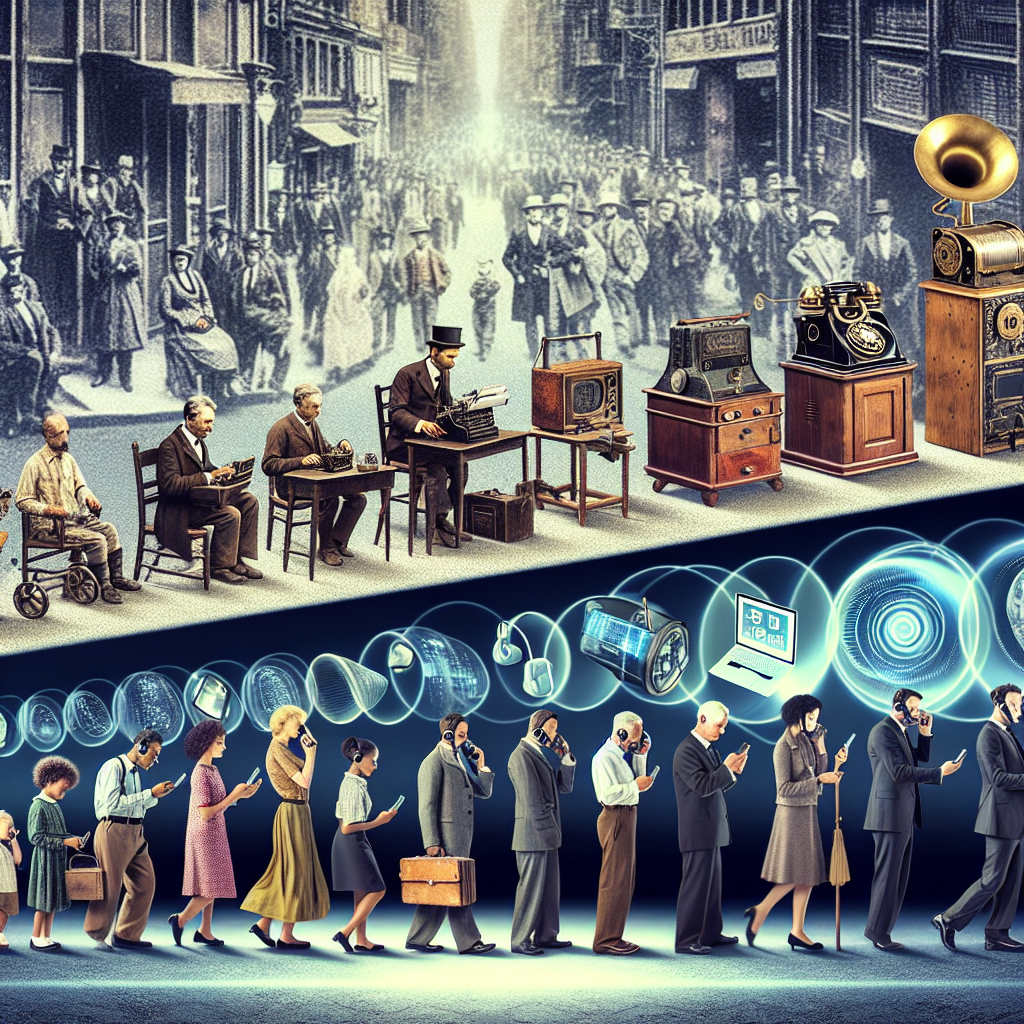
    Modern communication has transformed dramatically since the days of Morse code, marking a profound evolution in how humans exchange information. As we approach 2025, the landscape of modern communication encompasses an array of advanced technologies that enable faster, more efficient, and more versatile exchanges than ever before. This article explores the journey beyond Morse code, highlighting key milestones in the history of modern communication and examining emerging trends that will shape the future.

    The Origins of Modern Communication: Morse Code and Its Impact

    Morse code, developed in the 1830s and 1840s by Samuel Morse and Alfred Vail, revolutionized early communication by enabling long-distance transmission of information through electrical signals. This code relied on a series of dots and dashes to represent letters and numbers, allowing messages to be sent via telegraph lines rapidly and reliably. As one of the earliest forms of electronic communication, Morse code laid the foundation for the development of modern communication technologies.

    The significance of Morse code lies not only in its innovative use of electrical signals but also in its role in connecting different parts of the world. Telegraph lines spanned continents, and naval communications benefited greatly, especially during wartime, improving coordination and intelligence sharing.

    Transitioning from Morse Code to Telephony and Radio Communication

    Following Morse code, the invention of the telephone by Alexander Graham Bell in 1876 opened new horizons. Unlike the binary signals of Morse code, telephony delivered voice communication in real time, which was more intuitive and accessible to a broader population. This shift marked a critical evolution toward the modern communication era.

    Simultaneously, radio communication emerged, particularly with Guglielmo Marconi’s experiments in wireless telegraphy. Radio waves eliminated the need for physical wires, expanding the reach of communication across vast distances including oceans and remote areas, further accelerating the globalization of information exchange.

    The Digital Revolution and the Advent of the Internet

    The 20th century witnessed groundbreaking developments that shaped contemporary modern communication. The transition from analog to digital technology enabled higher data transmission speeds and improved reliability. The creation of the internet in the late 1960s and its commercial expansion in the 1990s marked a monumental leap, transforming communication from localized exchanges to a global network accessible to billions.

    Email, instant messaging, and Voice over Internet Protocol (VoIP) changed communication dynamics, offering instantaneous and multimedia-rich interactions. The internet also introduced social media platforms, reshaping how people connect, share, and collaborate worldwide.

    Modern Communication Technologies in 2025: What to Expect

    As we advance into 2025, modern communication continues to evolve at a rapid pace. Several emerging technologies and trends are poised to redefine the landscape:

    5G and Beyond: The deployment of 5G networks provides unprecedented speeds and ultra-low latency, enabling seamless streaming, real-time gaming, augmented reality (AR), and virtual reality (VR) experiences.

    Artificial Intelligence (AI): AI-powered communication tools enhance natural language processing, real-time translation, and intelligent personal assistants, breaking down language barriers and providing more personalized interactions.

    Quantum Communication: Though still in experimental stages, quantum communication promises virtually unhackable data transmission through quantum encryption, ensuring unprecedented security for sensitive communications.

    Internet of Things (IoT): Connected devices create an expansive communication network that goes beyond human-to-human interaction, enabling smart cities, autonomous vehicles, and advanced healthcare monitoring.

    Practical Implications of Modern Communication in Everyday Life

    Modern communication technologies have everyday applications across various sectors:

    Business: Remote work and collaboration tools have transformed workplace communication, enabling global teams to coordinate effortlessly.

    Healthcare: Telemedicine and real-time patient monitoring rely on robust communication systems to provide timely and effective care.

    Education: Online learning platforms leverage modern communication tools to deliver interactive educational content worldwide.

    Social Interactions: Social media and messaging apps keep individuals connected regardless of physical distance.

    Challenges in the Era of Advanced Modern Communication

    Despite its many benefits, the rise of modern communication technologies also presents challenges:

    Privacy Concerns: Increased data exchange raises risks related to data security and user privacy.

    Information Overload: The abundance of communication channels can lead to distraction and difficulty focusing on critical information.

    Digital Divide: Unequal access to modern communication infrastructure creates disparities in opportunity and connectivity.

    The Future: Beyond 2025 and the Continuous Evolution of Modern Communication

    Looking beyond 2025, modern communication will likely continue to blend emerging technologies such as AI, quantum computing, and advanced network infrastructures. Innovations like holographic communication, brain-computer interfaces, and immersive environments may redefine human interaction further, making the concept of distance nearly irrelevant.

    To thrive in this dynamic ecosystem, individuals and organizations must stay informed and adaptable, leveraging the latest tools while addressing the ethical and practical challenges inherent in rapid technological progress.

    Conclusion: Embracing the Legacy and Promise of Modern Communication

    From the foundational Morse code to the high-speed, intelligent systems of today, modern communication has come a long way, fundamentally reshaping society and human connectivity. As 2025 approaches, embracing this ongoing transformation offers immense opportunities for innovation, collaboration, and global understanding. Recognizing the historical roots while looking forward to new possibilities allows us to appreciate the full spectrum of modern communication’s impact and potential.

  • Demystifying AI Bias Why It Happens and How to Combat It

    Demystifying AI Bias Why It Happens and How to Combat It

    Introduction

    AI bias is one of the most critical challenges in the development and deployment of artificial intelligence systems today. As AI technologies become increasingly integrated into various aspects of society—from hiring processes to law enforcement—understanding why AI bias happens and how to combat it is essential for creating fair, ethical, and reliable AI solutions. This article will demystify AI bias by exploring its root causes, impacts, and practical strategies to detect, prevent, and mitigate it.

    What Is AI Bias?

    AI bias refers to systematic errors in AI algorithms that lead to unfair or prejudiced outcomes against certain groups of people. These biases often arise from the data used to train AI models, the design of algorithms, or the broader societal context in which the systems operate. Because AI systems learn patterns from historical data, any existing social prejudices or inequalities reflected in that data can be inadvertently encoded into the AI’s decisions, perpetuating discrimination or inequality.

    Why AI Bias Happens

    1. Biased Training Data

    One of the primary reasons AI bias occurs is biased or unrepresentative training data. AI systems learn from large datasets that may reflect historical prejudices or underrepresent certain demographic groups. For example, facial recognition technologies trained mainly on images of lighter-skinned individuals often perform poorly on darker-skinned subjects. This lack of diversity leads to skewed outputs that disadvantage minority groups.

    2. Incomplete or Insufficient Data

    AI models require diverse, comprehensive data to generalize well. When data is incomplete or lacks sufficient samples from all relevant groups, the AI may produce biased results. For instance, hiring algorithms trained on resumes mostly from one gender or ethnicity may favor candidates resembling the majority in the training set.

    3. Algorithmic Design Choices

    AI bias can also stem from choices made during algorithm design. Model architectures, objective functions, and feature selections impact how AI interprets data. If these choices do not account for fairness or equity, they might prioritize accuracy over unbiased decision-making, inadvertently reinforcing societal biases.

    4. Societal and Cultural Factors

    AI systems operate within the social contexts where bias naturally exists. If developers overlook the broader implications, implicit biases held by creators can creep into the design and implementation of AI technologies. Additionally, systemic inequalities in society become embedded in the data and algorithms, making AI bias a reflection of real-world discrimination.

    The Impacts of AI Bias

    AI bias can have far-reaching consequences, undermining trust in AI technologies and exacerbating social inequalities. Biased AI can unfairly deny individuals job opportunities, loans, insurance, or legal justice. It can perpetuate stereotypes and marginalize vulnerable populations. Recognizing these impacts underscores the urgency of addressing AI bias proactively.

    How to Combat AI Bias: Practical Strategies

    1. Data Auditing and Curation

    One of the first steps in combating AI bias is conducting rigorous audits of the datasets used for training. This involves checking for representation across different demographic groups, identifying and eliminating incorrect or biased entries, and ensuring data diversity. Curating balanced and high-quality datasets reduces the risk of biased learning outcomes.

    2. Implementing Fairness Metrics

    Developers should employ fairness metrics and evaluation frameworks to measure bias in AI models. Tools such as disparate impact analysis, equal opportunity difference, or demographic parity help quantify biases and guide iterative improvements. Incorporating these metrics into the model validation process supports transparency and accountability.

    3. Inclusive Algorithm Design

    Designing AI algorithms with fairness as a core objective helps mitigate bias. Techniques like adversarial debiasing, fairness-aware machine learning, and re-weighting data samples can improve equitable decision-making. Additionally, selecting features carefully to avoid proxies for sensitive attributes like race or gender is crucial.

    4. Diverse Development Teams

    Ensuring diversity within AI development teams introduces multiple perspectives, helping identify potential biases early. Teams that reflect varied backgrounds are more likely to design systems that respect different experiences and values, reducing the risk of unintentional bias.

    5. Continuous Monitoring and Updates

    AI bias is not a one-time problem; models may become biased over time as data and contexts change. Continuous monitoring of AI outputs and regular updating of models ensures sustained fairness. Feedback loops from users and impacted communities can provide critical insights to detect emerging biases.

    6. Transparency and Accountability

    Making AI systems more transparent by documenting data sources, modeling decisions, and limitations builds trust. Providing stakeholders with explanations for AI decisions allows for accountability and informed oversight. Regulatory standards and ethical guidelines are also fundamental in combating AI bias on an industry-wide scale.

    Conclusion

    AI bias is a complex issue that arises from various factors including biased data, algorithmic design choices, and societal influences. Understanding why AI bias happens is the first step toward developing effective solutions. By implementing best practices such as data auditing, fairness metrics, inclusive design, diverse teams, continuous monitoring, and transparency, organizations can combat AI bias and build AI systems that are ethical, fair, and trustworthy. As AI continues to shape our world, addressing AI bias proactively is imperative for fostering equitable technological advancement.

    URL Slug: demystifying-ai-bias-why-it-happens-and-how-to-combat-it

  • AI is Not Taking Your Job But Augmenting It

    AI is Not Taking Your Job But Augmenting It

    Artificial Intelligence (AI) is revolutionizing the workplace, but contrary to popular fear, it is not here to take your job away. Instead, AI augmentation is transforming how we work, enhancing human capabilities and driving productivity to new heights. This article explores the concept of AI augmentation, illustrating how it complements human skills, improves workflows, and opens up new career opportunities. Understanding AI augmentation is essential for professionals eager to thrive in the evolving job market shaped by advanced technologies.

    Understanding AI Augmentation: What Is It?

    AI augmentation refers to the use of artificial intelligence technologies to enhance human performance rather than replace it. Instead of competing with humans, AI systems assist, streamline, and optimize tasks that are repetitive, complex, or data-intensive. By automating mundane parts of jobs and providing insights through advanced analytics, AI augmentation enables workers to focus on creativity, critical thinking, and decision-making.

    For example, in customer service, AI-powered chatbots can handle routine inquiries, freeing human agents to deal with more complex interactions. In healthcare, AI tools assist doctors by analyzing medical images or suggesting potential diagnoses, allowing professionals to make more accurate and timely decisions. These examples illustrate how AI augmentation not only preserves jobs but makes roles more valuable and impactful.

    Why AI Augmentation Matters in Today’s Workforce

    As automation continues to advance, concerns about job losses grow. However, the reality is that AI augmentation is shifting the nature of work rather than eliminating it. Companies that adopt AI augmentation benefit from increased efficiency, better quality outputs, and improved employee satisfaction because workers are relieved from monotonous tasks.

    Moreover, AI augmentation fosters innovation by augmenting human creativity and intuition with machine intelligence. It helps identify patterns and opportunities invisible to humans alone. This synergy creates a competitive edge in industries ranging from finance to marketing to manufacturing. Embracing AI augmentation prepares organizations and employees to adapt, upskill, and evolve with technological progress, ultimately safeguarding employment and career growth.

    How AI Augmentation Enhances Specific Job Functions

    1. Data Analysis and Decision Support

    AI augmentation tools can process vast datasets quickly, uncovering actionable insights that humans might miss. Business analysts, data scientists, and managers gain valuable decision support from AI models that predict trends, assess risks, and recommend strategies, making planning more informed and accurate.

    2. Content Creation and Marketing

    Writers, designers, and marketers use AI-powered assistants to generate ideas, create drafts, and personalize campaigns. AI augmentation accelerates content production by handling routine editing, keyword optimization, and distribution tasks, allowing creative professionals to concentrate on strategy and innovation.

    3. Customer Service and Relationship Management

    AI chatbots and virtual assistants manage initial customer contacts and routine inquiries, providing 24/7 availability and quick responses. Human agents supported by AI augmentation can deliver higher-quality, complex interactions and build stronger relationships, enhancing customer satisfaction.

    4. Manufacturing and Operations

    In industrial settings, AI augmentation includes machine learning algorithms that optimize production schedules, predict maintenance needs, and improve supply chain management. Human operators work alongside AI systems to maintain quality control and troubleshoot issues, leading to higher productivity and reduced downtime.

    Embracing AI Augmentation: Practical Tips for Professionals

    – Develop a growth mindset: Embrace change and be open to learning about AI tools relevant to your field.

    – Upskill strategically: Pursue training in AI-related skills such as data literacy, machine learning basics, and digital tools that complement your expertise.

    – Collaborate with AI: Experiment with AI applications that augment your work processes rather than replace them. Understand how to interpret AI outputs critically.

    – Focus on uniquely human skills: Strengthen skills like creativity, emotional intelligence, problem-solving, and interpersonal communication, which AI cannot replicate.

    – Advocate for ethical AI: Engage in conversations about responsible AI use in your workplace to ensure technology supports human well-being.

    The Future of Work with AI Augmentation

    Looking ahead, AI augmentation will become an integral part of every profession. The collaboration between humans and AI will deepen, creating hybrid roles that leverage the strengths of both. Organizations will invest more in AI-powered tools designed to enhance human judgment and creativity.

    Policies and education systems must adapt to prioritize AI literacy and lifelong learning. Workers equipped with AI augmentation skills will enjoy greater job security and satisfaction. Rather than fearing displacement, the workforce should view AI augmentation as an opportunity to redefine work, unlock potential, and innovate in unprecedented ways.

    Conclusion

    AI is not taking your job but augmenting it. Through AI augmentation, artificial intelligence advances human capabilities, making work more efficient, creative, and meaningful. By understanding and embracing AI augmentation, professionals can ensure they remain relevant and competitive in the rapidly changing labor market. The future belongs to those who collaborate with AI to enhance their skills and deliver greater value in their roles. Embrace AI augmentation today and transform how you work for the better.

  • Could AI Make You Super Creative

    Could AI Make You Super Creative

    Introduction to AI Creativity: Unlocking Your Super Creative Potential

    Artificial Intelligence (AI) has rapidly transformed numerous aspects of our lives, from healthcare and finance to entertainment and education. One of the most intriguing frontiers where AI is making a profound impact is creativity. AI creativity, the fusion of human imagination and machine intelligence, is emerging as a powerful catalyst that could transform how we create, innovate, and solve problems. But could AI truly make you super creative? In this article, we will explore how AI creativity works, practical ways to harness AI tools, and the implications for individuals and professionals looking to elevate their creative output.

    Understanding AI Creativity: What It Means and How It Works

    AI creativity refers to the ability of artificial intelligence systems to assist or independently generate creative content. Unlike traditional automation, AI creativity leverages advanced algorithms, machine learning models, and neural networks to analyze vast data, identify patterns, and produce innovative ideas or artworks that mimic or complement human thought processes. Examples include AI-generated music, paintings, writing, and even design prototypes.

    AI creative systems do not replace human creativity; instead, they augment it, providing fresh perspectives and iterative suggestions rapidly. These tools can break creative blocks, inspire novel ideas, and optimize workflows, ultimately helping users push boundaries they might not reach alone.

    How AI Creativity Could Enhance Human Creativity

    1. Expanding Idea Generation: AI creativity tools can generate hundreds or thousands of ideas based on your initial inputs, enabling rapid brainstorming and expanding the scope of possible concepts.

    2. Breaking Creative Blocks: When stuck, AI systems serve as unbiased collaborators presenting alternative angles or solutions that differ radically from your own style.

    3. Speed and Iteration: AI-powered platforms allow faster prototyping and refinement, accelerating the creative process and improving quality through numerous experimentations.

    4. Cross-Disciplinary Inspiration: AI’s ability to analyze diverse datasets helps blend influences from various domains, encouraging hybrid concepts and novel mashups that often spark breakthroughs.

    5. Personalized Creative Assistance: With advances in AI personalization, creative tools can adapt to your preferences and learning style, enhancing how you develop ideas over time.

    Practical Ways to Harness AI Creativity in Your Projects

    Art and Design: AI Creativity is revolutionizing visual arts by generating images, enhancing photos, or suggesting design elements. Tools like DALL·E, Runway ML, or Adobe’s AI features help artists produce unique visuals quickly. Try inputting a simple idea and let the AI generate multiple artwork variations to inspire you.

    Writing and Content Creation: If you write articles, stories, or marketing copy, AI creativity platforms such as ChatGPT, Jasper, or Writesonic can generate content drafts, brainstorm topics, or improve existing text. Use AI to explore different tones, structures, or angles to enrich your storytelling.

    Music Composition: AI creativity tools like Amper Music or AIVA compose melodies and background scores. Musicians can collaborate with these platforms to experiment with genres or arrangements they haven’t attempted, expanding their musical repertoire.

    Business Innovation: AI creativity also extends to product design, campaign ideation, and data-driven customer insights. Use AI to simulate user scenarios, generate product concepts, or fine-tune marketing strategies based on predictive analytics.

    Step-by-Step Guide to Integrating AI Creativity Into Your Workflow

    Step 1: Identify where you face creativity challenges—be it coming up with ideas, refining content, or generating visuals.

    Step 2: Select appropriate AI creativity tools that match your domain and goals—for example, creative writing software, design AI, or music generation platforms.

    Step 3: Start with basic inputs or prompts. Review the AI-generated suggestions carefully, modifying them or combining them with your own ideas.

    Step 4: Experiment with iterative feedback loops. Use outputs to refine prompts or project parameters, leveraging the AI to evolve ideas progressively.

    Step 5: Blend AI outputs with your intuition and expertise. Remember, AI creativity excels as a collaborative partner, not a replacement.

    Potential Challenges and Ethical Considerations in AI Creativity

    While AI creativity offers tremendous potential, it also raises challenges worth noting. Authenticity concerns arise when distinguishing human-created from AI-generated content. Moreover, creativity fueled by AI may inadvertently reflect biases embedded in training data. Responsible usage includes transparency about AI involvement and preserving the unique value of human expression.

    Furthermore, reliance on AI creativity can risk diminishing the development of personal creative skills if used passively. It is critical to view AI as a supportive tool that catalyzes growth rather than a shortcut that replaces effort.

    Future Outlook: Could AI Make You Super Creative?

    The rapid evolution of AI creativity tools strongly suggests that integrating AI into creative endeavors will become increasingly common and essential. By embracing AI as an amplifier of human potential, individuals and organizations could unlock new levels of creativity, productivity, and innovation. The key lies in mastering AI creativity techniques, continuous learning, and maintaining a balance between technological assistance and human originality.

    Conclusion: Embracing AI Creativity for Supercharged Innovation

    AI creativity is not just a futuristic concept but a present-day reality transforming how we imagine and create. Whether you are an artist, writer, musician, entrepreneur, or educator, tapping into AI creativity can supercharge your creative output, break barriers, and inspire new possibilities. Start exploring AI creativity tools today and unlock your super creative potential with the power of artificial intelligence.

    URL Slug Suggestion: could-ai-make-you-super-creative-ai-creativity-boost